

Italian cuisine is renowned worldwide for its balance of simplicity, freshness, and comfort. It’s a food culture rooted in family tradition, regional pride, and the conviction that a few high-quality ingredients can create something truly unforgettable. For many Americans, these dishes offer both a familiar taste of comfort and a window into Italy’s long culinary heritage. From pasta to risotto, these meals reflect centuries of care and craftsmanship that continue to shape dining tables today.
The Heritage Behind Italian Cuisine
Every Italian dish begins with a sense of place. From the rolling vineyards of Tuscany to the coastal kitchens of Sicily, regional differences define what Italians eat. Northern Italy’s cuisine often features rich, dairy-based sauces and rice dishes, while the southern regions favor olive oil, tomatoes, and fresh herbs. This diversity is what makes Italian cuisine so adaptable and beloved across borders.
For instance, a dish like risotto alla Milanese captures northern Italy’s love of butter and saffron, while spaghetti alle vongole, a clam-based pasta from Naples, shows how seafood drives southern cooking. Despite regional variations, Italian food shares a unifying philosophy: use what’s local and seasonal. That belief helps keep dishes honest and flavorful, without unnecessary complexity.
The popularity of Italian food in the United States has also grown through immigration. Many classic recipes were adapted to local ingredients, leading to what’s now considered Italian-American comfort food. Dishes such as baked ziti and chicken parmesan have become staples of American dining, blending authenticity with accessibility.
Pasta: The Heart of Italian Tradition
Pasta is one of Italy’s most recognizable exports, and its variations are endless. Each shape and sauce pairing tells a story about regional tastes and household preferences. For example, spaghetti carbonara, renowned for its silky sauce made from eggs, pecorino cheese, and cured pork, originates from Rome. Its richness contrasts with pasta al pomodoro, a light tomato-based dish common in southern Italy.
Making pasta fresh from scratch remains a cherished skill in many Italian homes. A simple mix of flour and eggs, rolled and cut by hand, results in something far more satisfying than a boxed version. Italians treat pasta as both an everyday meal and a culinary art form—proof that humble ingredients can create depth and comfort.
For modern cooks, pairing the right sauce with the right pasta shape enhances texture and balance. Flat noodles, such as fettuccine, hold creamy sauces well, while tubular pasta, like rigatoni, pairs beautifully with a thicker meat ragù.
Pizza: Italy’s Culinary Export to the World
Few dishes have achieved global popularity like pizza. Originating from Naples, pizza was once a working-class street food made with dough, tomatoes, and mozzarella. Its appeal spread quickly, especially after Italian immigrants introduced it to American cities in the early twentieth century. Today, it’s one of the most recognized dishes worldwide.

While modern toppings vary widely, traditional Italian pizza maintains simplicity. Pizza Margherita, named after Queen Margherita of Savoy, uses just tomato sauce, mozzarella, and fresh basil to represent Italy’s flag colors. Each component has a purpose: acidity from the tomato, creaminess from the cheese, and aroma from the basil. This minimalist approach captures what Italians value most—balance and authenticity.
Regional differences in crust and preparation have inspired countless variations. Rome favors a thin, crispy base, while Naples keeps its crust soft and pliable. American adaptations, such as New York and Chicago styles, reflect local tastes while honoring Italian foundations.
Risotto: The Patience of Northern Cooking
Risotto embodies northern Italy’s appreciation for slow, mindful cooking. It’s made by gently stirring Arborio or Carnaroli rice with broth until it becomes creamy. Unlike boiled rice, risotto’s starches are gradually released during the stirring process, creating a velvety texture without cream.
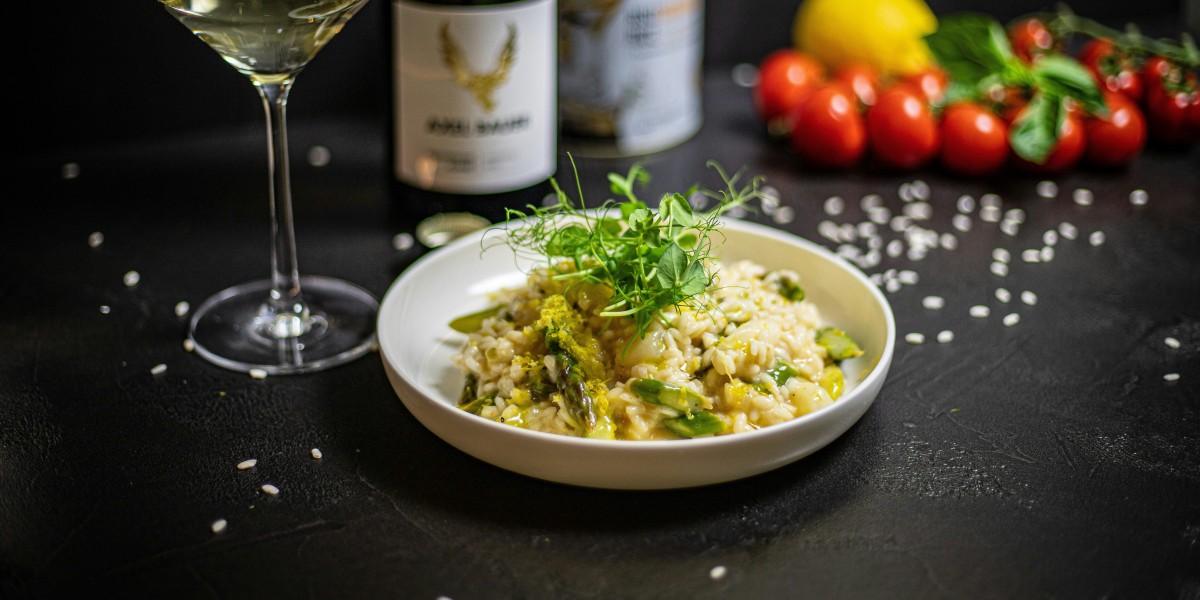
The dish can vary depending on the region and available ingredients. In Lombardy, saffron gives risotto alla Milanese its golden hue and subtle aroma. In Venice, seafood versions reflect the city’s maritime heritage. Each variation depends on timing and technique—the hallmark of a dish that rewards patience and precision.
For home cooks, risotto offers flexibility. Vegetables, mushrooms, or even leftover meats can be added to adjust flavor. Though it may appear complex, the process is straightforward once the rhythm of adding broth and stirring becomes familiar.
Lasagna: Layers of Comfort and Family
Lasagna is often associated with family gatherings and weekend cooking. This layered pasta dish combines sheets of noodles with béchamel sauce, ragù, and cheese, baked until bubbling. Its history traces back to Emilia-Romagna, a region known for culinary craftsmanship and fresh pasta traditions.

Each layer represents balance: rich sauce, creamy filling, and tender pasta. While some variations include ricotta, the traditional version relies on béchamel for smoothness. The dish is hearty and generous, reflecting Italian dining’s communal nature—meals designed to share.
In the U.S., lasagna has become a symbol of comfort food, often prepared in larger portions for gatherings. Though recipes differ, the spirit of the dish remains unchanged—celebrating warmth, hospitality, and togetherness.
Tiramisu: A Sweet Note to End the Meal
Dessert in Italy balances indulgence with lightness. Tiramisu, meaning “pick me up,” combines espresso-soaked ladyfingers with layers of mascarpone and cocoa powder. It originated in the Veneto region and remains a favorite for its delicate mix of bitterness and sweetness.
Unlike heavier desserts, tiramisu’s appeal lies in its contrast of textures and flavors. The bitterness of espresso offsets the creamy mascarpone, while a dusting of cocoa ties everything together. The dessert’s no-bake nature also makes it approachable for home cooks looking for a taste of Italian comfort.
Beyond tiramisu, Italy offers a range of regional desserts—from Sicily’s cannoli to Tuscany’s cantucci biscuits served with vin santo. Each reflects local traditions and available ingredients.
Preserving Tradition in a Modern Kitchen
While Italian cuisine continues to evolve globally, its foundation stays rooted in tradition. Modern restaurants experiment with plating and fusion, yet the respect for technique and quality ingredients remains constant. Whether enjoyed in a family kitchen or a high-end trattoria, these dishes continue to carry Italy’s cultural heritage forward.
Home cooks who prepare these meals share in that tradition, even thousands of miles from Italy. It’s not just about following recipes—it’s about understanding the story behind them. Every dish tells something about patience, simplicity, and joy in everyday cooking.