
Discussing educational policy in America often leads to a debate about how much or little government should be involved with funding, how equity can be established between public schools, and whether or not religious schools belong in a system of publicly regulated education. Many Catholic Schools throughout the Country serve hundreds of thousands of students a year, financing their operations primarily through tuition payments from families and funds from the Church. The National Catholic Education Association reported a decrease in the number of students enrolled in Catholic schools by more than two million students since 1970.
The same issues regarding the sustainability of the financial model of Catholic education (in terms of compliance with government regulations), and equitable access to Catholic education for low- and middle-income families exist at both the state and federal levels.
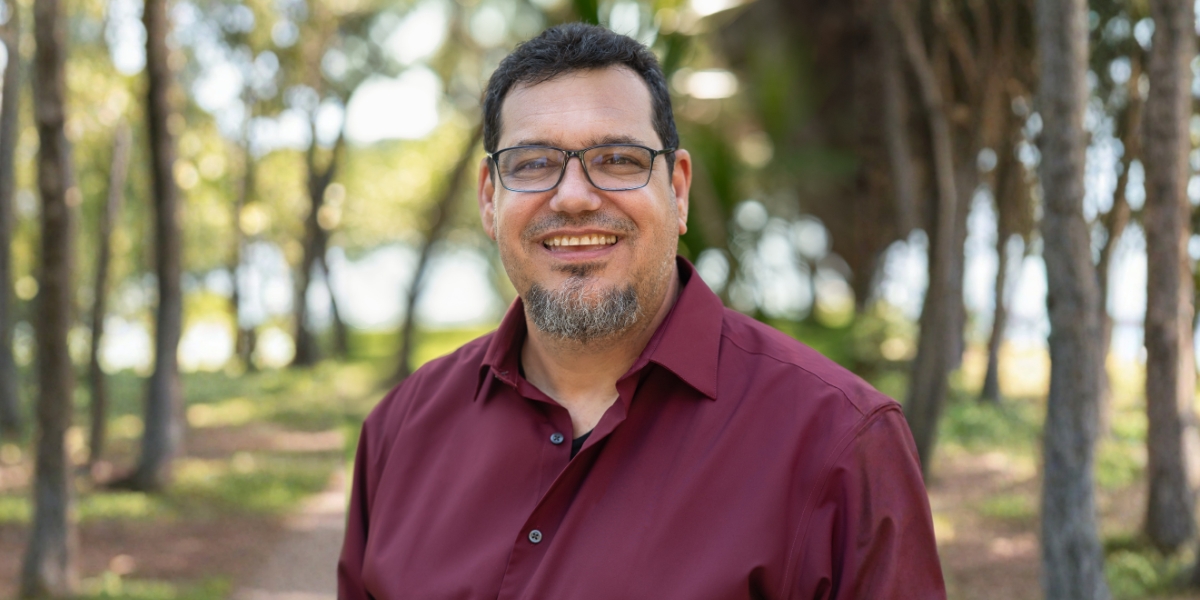
In urban dioceses, these concerns are even more intense. The Catholic schools in urban areas must compete for students with local public and charter schools while also being required to comply with various State and Local Health Regulations, changing demographics, and economic uncertainty. As a result of these challenges, Catholic school educators were active participants in the federal government’s decision-making process regarding COVID-19 relief funding and the possibility of getting federal support after declaring an emergency because they were private religious institutions. The creation of leaders such as Michael J. Deegan, a strident advocate for Catholic education in New York, was directly related to these types of issues and how they were addressed over time.
Deegan’s role with the Archdiocese of New York’s Office of Schools as Superintendent from 2019 to 2023 was a dual role, with two hats to wear: administrator and public representative. The archdiocese operated 175 schools, elementary and secondary, scattered throughout New York City and several surrounding counties: Westchester, Rockland, Orange, Sullivan, Putnam, Ulster, and Dutchess. These schools served tens of thousands of students and were very tuition-dependent. When the pandemic caused a shutdown of in-person schooling in early 2020, tuition payments dwindled, parish contributions declined, and school budgets suffered.
During this time, Deegan appeared in regional and national media outlets to describe what was really happening in Catholic schools. He discussed reopening schedules, health guidelines, and the realities of tuition payments and how Catholic schools’ budget models differed from public schools but faced the same public health issues. Interviews frequently included discussions of whether nonpublic schools would receive fair treatment in emergency legislation. In these interviews, Deegan suggested that Catholic schools, as private entities, still had a public educational mission and should not be left out of relief legislation.
Whether through advocacy for federal relief programs, partnering with national organizations and bishops, or working with Congress and the White House directly, Deegan’s efforts to secure equitable access to CARES Act support and federal funding through other means became some of the most visible elements of his time. Deegan was engaged in continuously seeking federal and state funds and created partnerships with major benefactors and the Catholic Church to obtain significant short-term philanthropic grants to support education programs for students in Catholic schools.
While there was no guaranteed access to relief funds and some disputes existed related to the eligibility of schools for these funds and the administrative rules (procedures) governing their disbursement, Deegan participated in public discussions as well as the public dialogue regarding the equitable distribution of federal and state funds, and met the requirements of federal and state rules governing the use of funds.
Deegan also participated in some public criticism of the regulatory hurdles that hindered nonpublic schools from accessing relief funding. His work combined advocacy for Catholic schools with administrative responsibility, which included ensuring Archdiocesan compliance with education law and the use of the financing as an archdiocesan organization that operates under a religious mission.
Deegan also advocated for increased access to education through public service campaigns that were not related to pandemic-related funding. The focus of past public service campaigns through his organization has been on providing advocacy for education by Catholic schools serving immigrant communities and working-class communities in New York City. Therefore, the availability of funds from tuition and financial aid programs and philanthropy to support low-income families that attend Catholic schools is critical.
Academic performance was heavily debated publicly during and after the COVID-19 pandemic due to the drop in student performance on standardized tests taken throughout New York State after the school year ended in June 2022. This provided Deegan the opportunity to highlight the performance of Catholic school institutions during the 2020-2021 school year as part of his advocacy for low-income families that send their children to Catholic schools. His attempt to highlight the success of Catholic school students had received considerable attention in regional newspapers and on television, where he expanded on the challenges that will be faced by students in the coming years as remote learning continues to be utilized in public schools as a result of the COVID-19 pandemic.
Deegan has earned many awards and honors to recognize his work as an advocate, in addition to being recognized by the Catholic Education System. The Saint Elizabeth Ann Seton Compassionate Educator Award (2003), the Joseph J. Bruno Award (2005), and the National Catholic Educational Association Lifetime Commitment Award (2023) demonstrate that he has received respect from within the Catholic Education System. While these awards do not count directly as evidence of the outcomes of his advocacy work, they serve as a way to establish the status that Deegan achieved in relation to the larger organization he represented.
The superintendency of Michael Deegan occurred at a time when a great deal of media scrutiny was placed upon educational funding, religious liberty, and public health. Deegan’s public advocacy was closely linked to the realities of operating 200 schools in a diverse metropolitan area. His role, as it relates to the school system, has expanded his impact beyond the internal administration of the school system into the political arena. As an example, Deegan’s professional record suggests how diocesan education leaders can make a significant impact on the policy discussions about access, equity, and the role of religious schools in American education policy.