
Wall Street closed out April at all-time highs and opened May the same way. But the economy sending the markets higher is not the economy most Americans are living in.
The S&P 500 surged to a new all-time high on Friday, May 1, as investors responded to Apple’s blowout quarterly earnings report and a pullback in oil prices that offered a rare signal of relief after weeks of energy-driven inflation. The Nasdaq Composite also gained, extending the records it set in the previous session. The Dow Jones Industrial Average moved higher as well, completing a sweep of all three major indexes on a day when the mood on Wall Street stood in sharp contrast to the mood on Main Street.
The session’s opening move capped the strongest monthly market performance in years. The S&P 500 gained 10.4% in April for its best month since November 2020; the Nasdaq rose 15.3%, its best month since April 2020. May 1’s rally suggested that the momentum driving that historic April was not exhausted by the calendar turning.
Apple Lights the Way
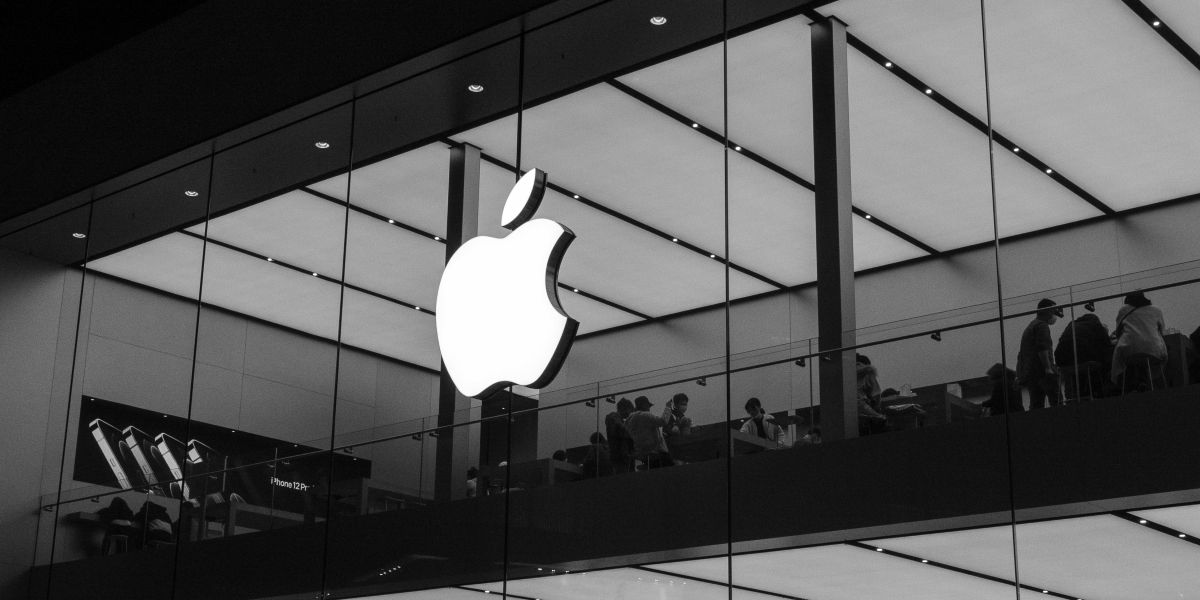
The day’s most immediate catalyst was Apple. The Cupertino technology giant reported its fiscal second quarter results on April 30 and delivered figures that surpassed Wall Street expectations on nearly every metric.
Apple reported quarterly revenue of $111.2 billion, up 17% year over year — a March quarter record; iPhone revenue reached $57 billion, up 22%, also a March quarter record; Services revenue hit an all-time high of $31 billion; net income was $29.6 billion with EPS of $2.01, up 22%.
CEO Tim Cook credited the iPhone 17 lineup with “extraordinary demand” and noted that the company’s installed base of active devices had surpassed 2.5 billion for the first time. The board authorized an additional $100 billion share buyback, and the company forecast continued double-digit revenue growth for the current quarter. Apple stock jumped approximately 3% in extended trading after the report and carried that momentum into Friday’s session, providing a meaningful lift to both the S&P 500 and the Nasdaq.
Apple’s quarter is significant not just for the company but for the broader market narrative. Services — the segment encompassing the App Store, Apple Music, Apple TV+, iCloud, Apple Pay, and related businesses — now accounts for approximately 28% of total company revenue and generates margins well above the hardware business. Services revenue rose about 16% from $26.65 billion a year ago, continuing a multi-year trajectory that has transformed Apple from a hardware company into one of the world’s most profitable subscription and platform businesses.
Oil’s Retreat Gives the Rally Room
The other major force behind Friday’s market gains was a pullback in oil prices. Oil prices reversed course on Thursday, with Brent crude futures losing 3.41% to close at $114.01 a barrel and West Texas Intermediate futures falling 1.69% to settle at $105.07.
The pullback reflected reports that diplomatic movement on the Iran conflict — which has kept the Strait of Hormuz effectively closed since late February — may be gaining traction. Any signals that the strait could reopen allow traders to price in a future where the roughly 20% of global seaborne oil supply that has been disrupted returns to market. Even the possibility of a resolution is enough to move crude prices, given how tight global supply has become since the conflict began.
For equity markets, lower oil prices are broadly constructive. They reduce input costs for manufacturers, logistics companies, and airlines. They ease inflationary pressure that has complicated the Federal Reserve’s monetary policy decisions. And they give consumers who have been spending more at the pump slightly more room to spend elsewhere — a dynamic that tends to support corporate earnings expectations.
The Split Screen
What makes the current market environment unusual is not its strength. Record highs on the S&P 500 are not historically rare events during extended bull markets. What is unusual is how sharply the market’s record levels diverge from the conditions facing ordinary American households.
The national average gasoline price reached $4.30 per gallon this week — the highest level since July 2022 — driven directly by the Strait of Hormuz closure and the resulting global oil supply disruption. California hit $6.01 per gallon, a threshold no U.S. state had previously crossed. Diesel nationally averaged above $5 per gallon, raising costs for the trucking and logistics sector that moves consumer goods across the country.
Spirit Airlines, once a symbol of affordable air travel for working-class Americans, spent Friday on the verge of liquidation after a $500 million government bailout attempt collapsed. The airline employs approximately 17,000 people and serves routes that larger carriers do not, meaning its disappearance would reduce competition and push ticket prices higher on the routes it currently serves.
The Federal Reserve held interest rates steady at what is widely expected to be Chairman Jerome Powell’s final meeting in the role. His successor, Kevin Warsh, is expected to take over next month and will inherit an economy that has produced record asset prices alongside cost-of-living pressures that have driven consumer sentiment sharply lower.
What the Record Means
S&P 500 records measure the performance of 500 large publicly traded American companies. They reflect earnings, valuations, investor sentiment, and capital flows. They do not measure what it costs to fill a gas tank, whether a budget airline can make payroll, or how much further a household’s paycheck stretches than it did a year ago.
The gap between these two realities — rising asset prices and compressed household budgets — is not a new feature of the American economy. It has been a defining characteristic of every post-pandemic market cycle. But in the spring of 2026, with an active Middle East conflict, record energy prices, and a budget airline potentially shutting down its operations within hours of a record market close, the gap is unusually visible.
The analysts who track the S&P 500 are projecting continued momentum. Among 21 major investment banks and research institutions, the median year-end target for the S&P 500 sits at 7,650, implying total returns of 11.8% for the year from its opening level; Wall Street analysts project S&P 500 earnings will grow 19.7% in 2026, accelerating from 14% growth in 2025.
The two primary drivers of that projected earnings growth are AI-related capital investment — which Alphabet, Microsoft, Meta, and now Apple have all validated with strong quarterly results — and the corporate tax reductions included in the administration’s budget legislation.
Both of those tailwinds are real, and their effect on large-cap earnings is measurable. Whether they translate into broader economic wellbeing for the Americans watching Spirit Airlines’ website for updates while paying $4.30 a gallon is a different question — one that record S&P 500 levels do not answer.
Friday’s record is real. So is the split screen it sits inside.
Disclaimer: This article is based entirely on publicly available information from CNBC, Apple’s official SEC Form 8-K filing, and AAA gasoline price data. It does not constitute investment advice or a recommendation to buy or sell any security. Market figures cited reflect conditions as of publication and are subject to change. Readers making investment decisions should consult a licensed financial advisor.