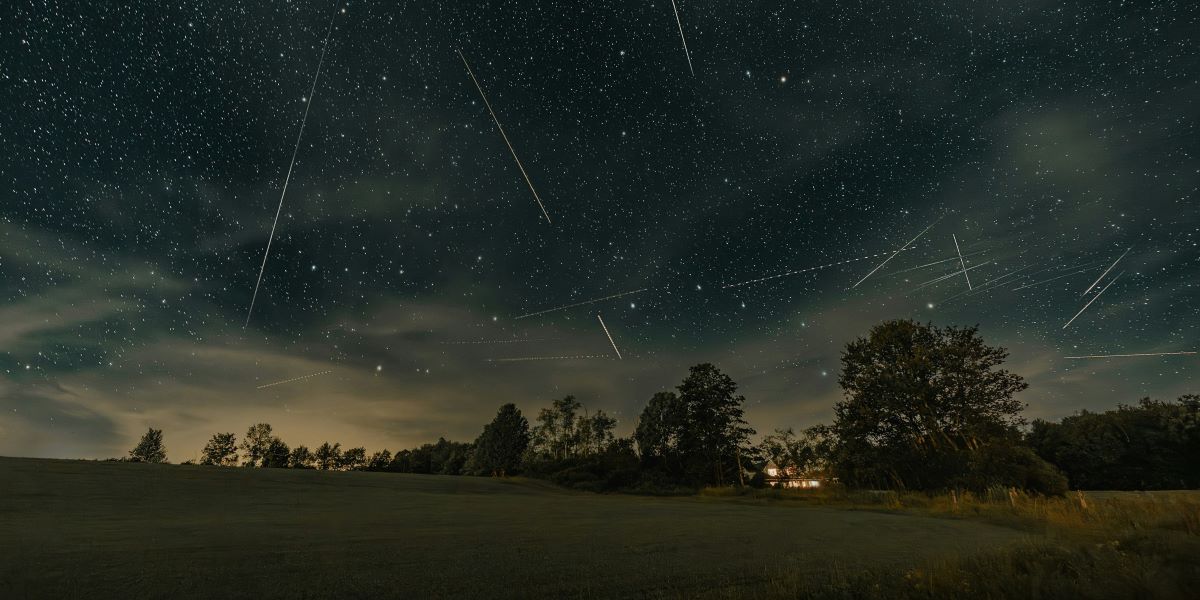
The Leonid meteor shower peaks in the early morning hours of November 17 and 18, 2026. NASA advises watching before dawn, after the moon sets, when the shower can produce around 15 meteors per hour under ideal conditions. The peak falls in a busy stretch of free skywatching that runs from a Mars and Jupiter pairing on November 15 to a supermoon on November 24.
Key Takeaways
- NASA’s timing for the Leonids is the early morning hours of November 17 and 18, after moonset, when the sky is darkest.
- Mars and Jupiter appear about 1.2 degrees apart in the southeast before sunrise on November 15 and 16.
- On November 17, NASA is inviting the public to celebrate Voyager 1 reaching one light-day from Earth.
- The full moon on November 24 is a supermoon, the first of three in a row in November, December and January.
- Every event on the list can be seen with the unaided eye, with no telescope or ticket needed.
Leonid Meteor Shower Peaks Before Dawn After Moonset
NASA calls the Leonids, which peak in mid-November each year, a major shower. This year, the moon is the main factor in timing. The first-quarter moon on November 17 is up in the evening, so NASA’s guidance is to watch in the early morning hours of November 17 and 18, after the moon has set.
Under ideal conditions, the Leonids can produce around 15 meteors per hour. NASA is careful about that number and notes that most viewers will see fewer. City lights, haze and clouds all cut the count, so where people watch matters as much as when.
How to Watch the Leonids
NASA’s advice is simple. Find a dark location away from streetlights, give your eyes about half an hour to adjust to the dark, and take in as much sky as possible rather than staring at one spot. Lying back on a blanket or reclining chair helps. Since the best viewing is before dawn, a warm layer and a thermos make the wait easier in late November.
The pre-dawn window comes earlier on the clock than it did a few weeks ago. With standard time back since daylight saving time ended on November 1, sunrise arrives sooner on the clock, so early risers have less time before morning twilight brightens the sky.
Mars and Jupiter Pair Up Before Sunrise on November 15 and 16
Skywatchers who plan to be out for the Leonids can start a few mornings earlier. On November 15 and 16, NASA says to look southeast before sunrise to see Mars and Jupiter close together. The two planets will appear about 1.2 degrees apart, a little more than the width of two full moons side by side.
Jupiter is the brighter of the two, with reddish Mars nearby. Both are easy to see without binoculars. The planets are still far apart in space and only appear side by side from Earth. NASA suggests watching over several mornings to see them draw closer together and then separate.
NASA Celebrates Voyager 1’s Light-Day Milestone on November 17
The same week brings a milestone for one of NASA’s oldest active missions. Voyager 1, launched in 1977, is about to become the first human-made object to travel one light-day from Earth. At that distance, a signal moving at the speed of light takes 24 hours to reach the spacecraft and another 24 hours to come back.
On November 17, NASA is inviting the public to join its “Shine Bright for Voyager’s Light-Day” activation, with details on NASA’s Voyager mission page. Anyone who wants to picture where the spacecraft is can look toward the constellation Ophiuchus, the Serpent Bearer, which NASA’s sky chart shows low in the western sky around 5 p.m. on November 17.
November 24 Supermoon Starts a Run of Three
The week ends with a full moon on Tuesday, November 24, two days before Thanksgiving. It’s a supermoon, the first of three in a row in November, December and January.
A supermoon happens because the moon’s orbit is slightly oval, so its distance from Earth changes through the month. When a full moon falls near the closest point, it looks larger and brighter than average. NASA notes that the difference can be subtle.
NASA suggests looking east around sunset to watch it rise. The moon may look especially large near the horizon, but that’s the moon illusion, which happens with every full moon. The rising supermoon fits easily into a holiday-week evening, whether at home or on the road.
A Sky Calendar for Thanksgiving Week
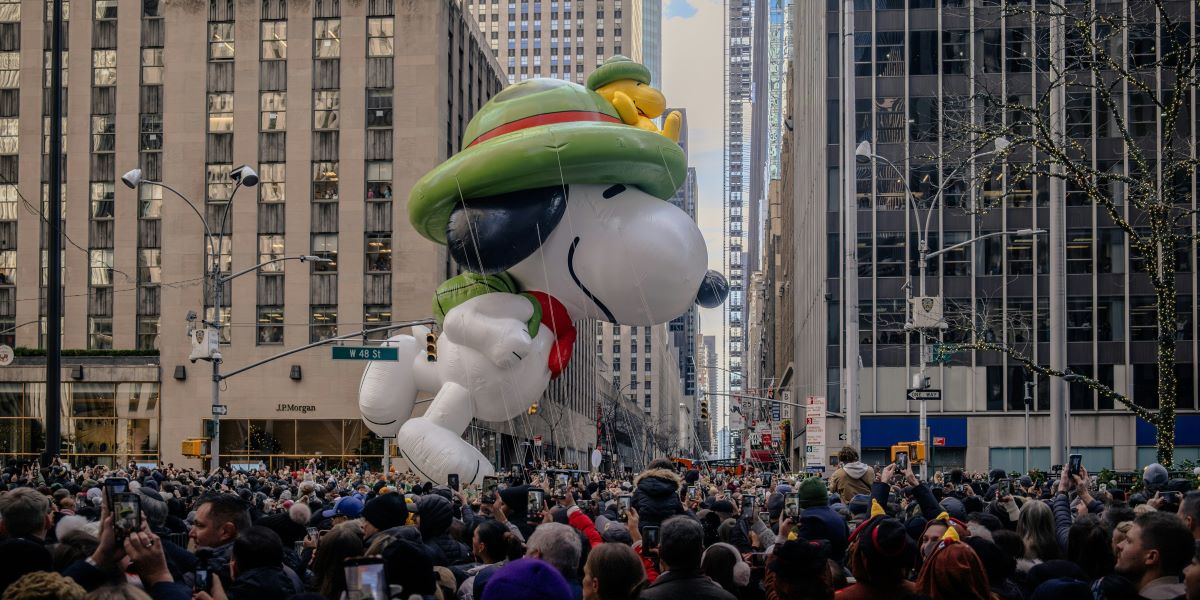
The supermoon closes out a stretch that leads straight into the holiday. Families planning the week can pair an evening of moonwatching with daytime traditions, including the 100th Thanksgiving Day parade stepping off in New York on November 26. Before that, earlier in November, NASA also notes two smaller showers: the Southern Taurids around November 5 and the Northern Taurids around November 12, each with around five meteors per hour and occasional bright fireballs.
FAQs
When is the best time to see the Leonid meteor shower in 2026?
NASA recommends the early morning hours of November 17 and 18, after the moon sets and before dawn.
How many Leonid meteors can I see per hour?
Under ideal dark-sky conditions, the Leonids can produce around 15 meteors per hour. NASA notes most viewers will see fewer.
Do I need a telescope to see the Leonids?
No. Meteors are best seen with the unaided eye. Find a dark spot, let your eyes adjust for about 30 minutes and look at a wide area of sky.
When is the November 2026 supermoon?
The full supermoon is on Tuesday, November 24, 2026. NASA suggests looking east around sunset to watch it rise.
When can I see Mars and Jupiter together?
Mars and Jupiter appear about 1.2 degrees apart in the southeast before sunrise on November 15 and 16.
How many supermoons are left this winter?
The November 24 supermoon is the first of three in a row, followed by supermoons in December and January.