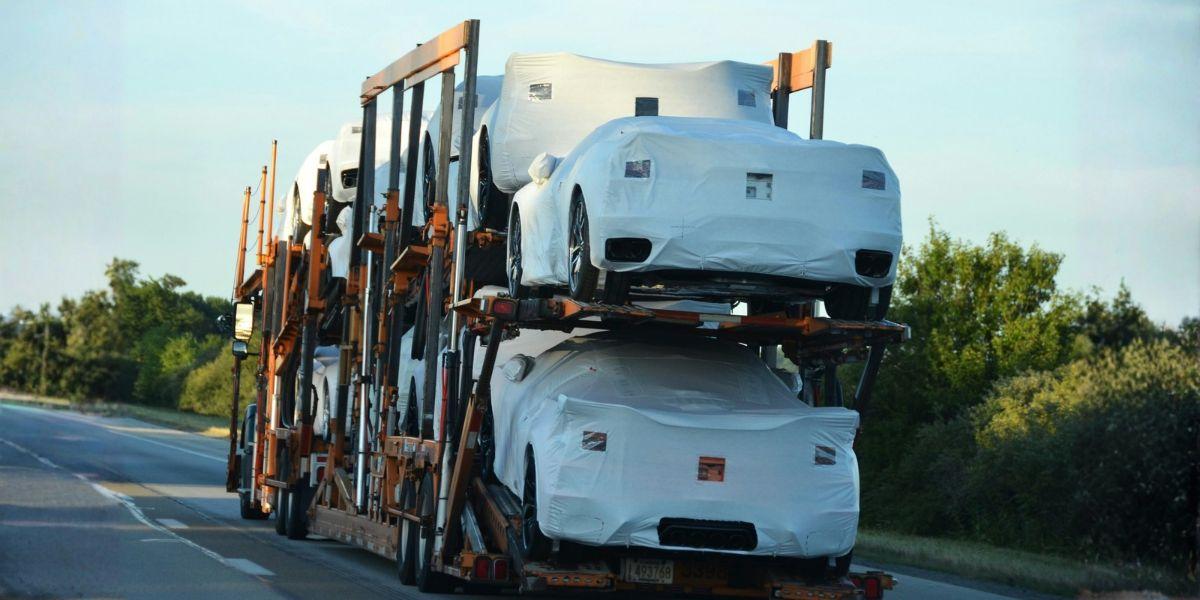
A company can finish renovating a new branch, hire its local team, activate its technology systems, and announce an opening date while overlooking one operational dependency. The vehicles needed to serve customers are still hundreds of miles away.
For businesses that depend on delivery vans, service trucks, passenger vehicles, or specialized equipment, opening a location is not simply a real estate project. It is also a transportation and operational-readiness project.
Consider a hypothetical regional service business expanding into another city. The lease is signed, employees are assigned, and customers begin scheduling appointments. Management expects several vehicles from the existing branch to support the launch. The vehicles have not been released for transport, their specifications have not reached the transportation coordinator, and nobody at the destination has been assigned to receive them.
The opening date arrives as planned. The branch is physically ready, but part of its operating capacity is not. That gap is a business continuity problem, and it tends to appear when fleet transfers are treated as a minor administrative task rather than a coordinated component of expansion.
Why a New Branch Is Not Operational Just Because It Is Open
Business expansion involves highly visible milestones, such as securing a property, completing construction, installing equipment, and announcing the launch. Those activities are important, but they do not establish that the location can perform its intended work.
For a vehicle-dependent operation, readiness may also require having the correct number and type of vehicles available, properly documented, and assigned to employees. A plumbing company may need service vans. A regional distributor may require delivery vehicles. A facilities business might depend on pickup trucks equipped for specific operational tasks.
If those vehicles remain at another branch, the business may be forced to rearrange schedules or limit the services it can provide. The practical question for management is not merely whether the new location can open. It is whether the location has the resources needed to operate at the expected capacity, which is why vehicle relocation belongs in the expansion plan from the beginning.
The Transfer Date and the Opening Date Are Different Milestones
One common planning mistake is treating the desired branch opening date as though it automatically determines the vehicle-delivery schedule. Commercial transport includes several stages, and each stage may require coordination.
Vehicles must first be available for release. Their specifications and condition need to be communicated. Suitable transport capacity must be arranged, and pickup and destination arrangements must be workable. After a vehicle arrives, the receiving business may still need to inspect it, update internal records, assign it to an employee, and complete any other steps required for its intended use.
A stronger plan establishes a required vehicle-ready date and works backward through the steps needed to achieve it. That date should allow for receiving procedures and operational preparation rather than treating arrival at the destination as the final milestone.
Why Fleet Relocation Starts With a Complete Vehicle Inventory
Before scheduling a transfer, managers need to understand which vehicles are moving. A reliable inventory identifies each vehicle individually and records the information relevant to the planned transportation, which may include the vehicle identification number, year, make, model, dimensions, approximate weight, operating condition, and any attached equipment.
These details matter because different vehicles may require different transport arrangements. A standard passenger vehicle and a tall commercial service truck may not fit the same equipment. A vehicle with a ladder rack, liftgate, utility body, or unusual dimensions may require additional review. Similarly, a vehicle that cannot operate under its own power can create different loading requirements from one that runs normally.
Business owners exploring commercial vehicle transport planning can examine the distinctions among standard vehicles, delivery vans, trucks, and specialized commercial units before establishing a transfer schedule.
The Vehicle That Is Still Working Cannot Be Ready for Pickup
Transferring vehicles between branches creates a scheduling conflict when the original location still depends on them. A service van may have appointments booked for the same day a carrier is expected to collect it, or an employee may need time to remove operational equipment and return the keys.
If the origin branch has not formally released the vehicle, a scheduled pickup may become difficult to complete. Managers should establish a release window for each vehicle and identify who has authority to confirm that it is ready.
The plan should also account for the old branch’s remaining needs. Moving every available vehicle at once could reduce capacity at the original location before the new branch is prepared to use them, so a phased transfer based on the priorities of both locations may be more suitable.
Why the Receiving Location Needs a Named Owner
Businesses sometimes assign one person to coordinate the shipment but fail to identify who will receive the vehicles. Someone needs to confirm that the delivery site is accessible, coordinate with the transportation provider, examine the vehicles when they arrive, and document any concerns.
Access can be more complicated for facilities that share entrances with other businesses, have designated vehicle-access hours, or restrict larger trucks from certain areas. A valid street address does not promise that a transport truck can safely reach the exact point where a business wants its vehicles delivered. Road width, turning space, overhead clearance, parking restrictions, and property access can influence the final handoff. For some commercial vehicles, the carrier may need a nearby loading location rather than the business property itself. Destination managers can confirm site access and whether a proposed receiving point is suitable. A fleet relocation is complete only when the vehicles have been handed over through an agreed process, not merely when the transport truck arrives nearby.
The Difference Between Booking a Shipment and Confirming a Carrier
Commercial vehicle shipping can involve carriers that physically transport vehicles and brokers that arrange transportation with carriers. The Federal Motor Carrier Safety Administration advises customers to understand the distinction when arranging automobile transportation.
For applicable interstate operations, brokers and motor carriers have registration requirements. FMCSA provides public resources for examining company identification and registration information, and its SAFER Company Snapshot allows users to search for a motor carrier by USDOT number or company name.
Businesses should determine who is arranging the shipment, who will physically transport the vehicles, and which organization is responsible for communicating pickup and delivery information. Clear roles make it easier to address changes in scheduling, equipment requirements, or the receiving arrangements.
Why Vehicle Specifications Affect the Transportation Plan
A company relocating several business vehicles may assume they can all travel together. That may be possible for certain groups of standard vehicles, but larger or specialized units can require different equipment. Vehicle length, width, height, weight, operability, and attachments influence the equipment required. Some vehicles fit conventional automobile carriers, while others may require flatbed, step-deck, lowboy, or other specialized equipment.
Transport arrangements must also account for applicable legal and safety requirements. FMCSA’s cargo-securement rules establish requirements governing the securement of different types of cargo, including heavy vehicles and equipment. The appropriate method depends on the vehicle and applicable rules, and it should be determined by qualified transportation personnel rather than improvised by office staff.
Why Business Continuity Plans Should Include Temporary Fleet Capacity
Even a carefully planned shipment can encounter scheduling uncertainty. Transport availability, weather, traffic, and equipment issues may affect pickup or delivery. A plan that requires every transferred vehicle to arrive at the last possible moment leaves little room for changes.
Businesses can reduce operational exposure by identifying which services depend on each vehicle and determining whether a temporary alternative is available. Possible contingencies may include delaying certain assignments, temporarily retaining a vehicle at the new location, or arranging suitable short-term capacity where commercially practical. Management should understand the consequences of a vehicle arriving later than expected.
The Handoff Record and Insurance Questions Matter Before Pickup
Fleet transfers also require an understandable record of which vehicles were released, their condition at pickup, and their status at delivery. Before collection, the origin representative can confirm the vehicle identifier and document its visible condition. Relevant photographs and written observations can help establish the condition recorded at the handoff. At delivery, the receiving representative should examine the vehicle and compare its condition with the available transportation records before completing the relevant acknowledgments.
FMCSA identifies the bill of lading as an important transportation document and advises customers to understand its terms. Some of the agency’s consumer guidance specifically concerns household-goods moves, but the general importance of clear written shipment records is also relevant when businesses arrange vehicle transport.
Insurance deserves the same attention. Businesses may assume that a commercial vehicle is automatically covered for every possible transportation-related loss because the transportation provider has an insurance policy. That assumption is too broad. Coverage depends on the relevant policy, limits, exclusions, deductibles, and circumstances of a particular incident. FMCSA distinguishes public-liability insurance requirements from cargo-insurance requirements, and for ordinary interstate for-hire property carriers, federal cargo-insurance filing requirements are not the same as those applicable to household-goods carriers.
Before pickup, a fleet manager should ask which insurance arrangements are relevant to the shipment and obtain the information necessary to evaluate limits, exclusions, and claims procedures. The company’s own insurer may also need to be consulted about how its policies apply while vehicles are in transit.
Why the Cheapest Quote May Not Be the Best Operational Choice
Transport quotes can differ because of vehicle specifications, distance, equipment availability, scheduling flexibility, and the requirements at pickup and delivery. A quote that assumes a standard operating vehicle may not be comparable to one that accounts for a non-running truck or an unusually tall service body.
Managers should evaluate quotes against a consistent description of the actual shipment, including the number of vehicles, their dimensions and operating condition, the release date, receiving address, access restrictions, and any additional handling requirements. Without that information, apparently lower prices may represent different services rather than a genuine cost advantage. Timing matters too, because a launch budget that assumes vehicles will be available on opening day may need adjustment if they arrive several days later.
What Branch Expansion Leaders Should Review Before Opening Day
Before announcing that a new location is fully operational, executives and operations managers should examine several practical questions.
• Fleet inventory: Which vehicles are required for the branch’s initial operating capacity?
• Release readiness: Have those vehicles been made available by the originating location?
• Transportation arrangements: Are the relevant vehicle specifications, pickup requirements, and destination details confirmed?
• Receiving responsibility: Is a specific person authorized and available to complete the handoff?
• Documentation: Are vehicle identifiers, condition records, and relevant shipment documents organized?
• Contingencies: Does the branch have a plan if a required vehicle arrives later than expected?
• Operational activation: What tasks remain between physical delivery and the vehicle’s first business assignment?
These questions create a more realistic definition of readiness than a single scheduled delivery date.
A Successful Expansion Requires More Than a Finished Building
The opening of a new business location is a coordinated process involving people, facilities, equipment, technology, and transportation. For vehicle-dependent companies, fleet relocation deserves the same attention as other critical operating resources.
Careful planning begins with an accurate inventory and a realistic transfer schedule, and continues through vehicle release, transportation arrangements, destination access, condition documentation, and final operational assignment. Federal resources such as FMCSA’s company records and transportation guidance can support carrier checks and clarify documentation and insurance distinctions.
None of these steps ensures that a transfer will proceed without disruption, but they make responsibilities clearer and create opportunities to resolve problems before the opening date.
A new branch is not truly ready merely because its doors are open. It is ready when the equipment, employees, and operating systems needed to serve customers can work together, which for many companies includes having the right vehicles in place and the right people prepared to receive them.