
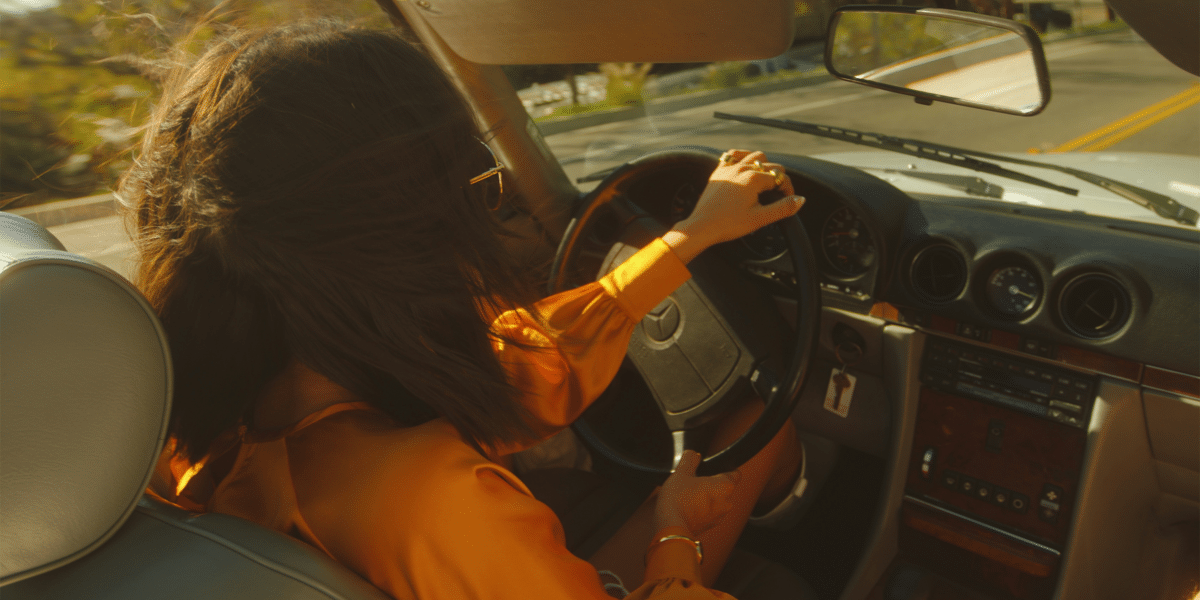
The psychological phenomenon known as “road rage” often stems from a combination of the car’s role as a private, protected environment and the dehumanizing nature of traffic. Drivers treat their vehicles as “rant sanctuaries” because the steel and glass provide a physical and symbolic barrier that lowers social inhibitions. This isolation creates a sense of anonymity, leading people to express frustrations they would never voice in a face-to-face encounter.
The Psychology of the Steel Shell
When a person slides into the driver’s seat, they aren’t just entering a mode of transportation. They are entering a controlled environment where they hold the primary authority. This “mobile territory” acts as an extension of personal space. Leon James, a professor of psychology at the University of Hawaii and co-author of Road Rage and Aggressive Driving, explains that the car becomes a “vessel for the ego.” He notes that drivers often feel a sense of omnipotence when they are behind the wheel, which makes any perceived slight from another driver feel like a personal attack on their private domain.
The physical design of cars contributes to this shift in behavior. Unlike walking down a crowded sidewalk where eye contact and body language facilitate social cooperation, driving limits communication to brake lights and horns. “You don’t see a person; you see a blue sedan that just cut you off,” says Jerry Deffenbacher, a psychologist at Colorado State University who specializes in anger research. He points out that this lack of human connection makes it easier for the brain to categorize other drivers as obstacles rather than people.
The Statistics of Street Stress
Data regarding aggressive driving paints a sobering picture of how common these outbursts have become. According to the AAA Foundation for Traffic Safety, nearly 80 percent of drivers expressed significant anger, aggression, or road rage at least once in the previous year. The data shows that:
-
51 percent of drivers purposefully tailgated another vehicle.
-
47 percent yelled at another driver.
-
45 percent used their horn to show annoyance.
-
33 percent made angry gestures.
These numbers suggest that the car is not just a place where anger happens, but a place where it is actively encouraged by the environment. The “Rant Sanctuary” becomes a pressure cooker when factors like heavy traffic, time constraints, and personal stress converge.
Why We Feel Safe Ranting
The car offers a unique “safe space” for emotional discharge because of the perceived lack of consequences. In a public office or a grocery store, shouting at a stranger results in immediate social blowback or security intervention. In a car, a driver can scream at the top of their lungs, and the “target” of their anger likely won’t even hear them.
This creates a one-way communication loop. The driver vents their frustration, feels a momentary release of tension, and then continues on their way. However, experts warn that this habituation of anger can be dangerous. “The more you practice anger, the better you get at it,” Deffenbacher says. He explains that using the car as a rant sanctuary can actually lower a person’s threshold for frustration in other areas of life.
The Biological Trigger
When another driver makes a mistake, the human brain often perceives it as a threat. The amygdala, the part of the brain responsible for the fight-or-flight response, takes over. Adrenaline and cortisol flood the system. In a traditional setting, this energy might be used to run or defend oneself. In a car, the driver is strapped in and stationary. The only outlet for that surge of energy is vocal or through the vehicle itself.
“It is a primitive response in a modern machine,” says David Williams, a road safety consultant. “The brain reacts to a lane change as if a predator just stepped into its path. Because the body can’t move, the mouth takes over.” This biological mismatch is why even the most mild-mannered individuals can find themselves using colorful language the moment they hit rush hour.
Finding a Middle Ground
Recognizing the car as a sanctuary doesn’t have to lead to rage. Some drivers are reclaiming this private time for positive “rantics.” Instead of focusing on the perceived failures of others, they use the isolation to listen to podcasts, practice singing, or process their day through calm self-talk.
The goal is to shift the mindset from “me against the world” to “me in my space.” By acknowledging that the blue sedan is actually a person trying to get home to their family, the dehumanization starts to fade. The steel shell remains a sanctuary, but it becomes a place of peace rather than a theater of war.