

When temperatures soar into the triple digits, most people head indoors and hope their air conditioner keeps them comfortable. At Fuse Service, it’s when the entire company shifts into high gear.
A heat wave doesn’t just mean more service calls. It means round-the-clock coordination between customer support, dispatchers, and technicians, all working to help homeowners restore comfort as quickly as possible.
Here’s what a 100-degree day looks like behind the scenes at Fuse Service.
The Calls Never Really Stop
When a major heat wave hits, requests for HVAC service increase dramatically. Some homeowners wake up to an AC that stopped working overnight. Others come home from work to find their house hotter than expected.
Because Fuse Service provides 24/7 customer support, someone is always available to answer the phone, schedule service, and help customers understand their next steps, even outside regular business hours.
“During extreme weather, people don’t want to leave a voicemail and wait until morning,” the Fuse Service team says. “When your AC stops working at 10 p.m., and it’s still 90 degrees outside, speaking with a real person immediately makes a huge difference.”
Dispatch Becomes Mission Control
Once service requests begin coming in, dispatchers work continuously to coordinate appointments throughout the day.
Every schedule changes in real time.
Technicians finish jobs earlier than expected. Emergency calls come in. Traffic builds. Replacement parts need to be picked up. Higher-priority situations, such as homes with elderly residents, young children, or medical concerns, may require immediate attention.
The dispatch team’s job is to keep everything moving while ensuring technicians can help as many homeowners as possible.
The Heat Doesn’t End at the Front Door
While homeowners are staying cool indoors, technicians spend much of the day working where temperatures are even more extreme.
Attics commonly exceed 130°F during California summers. Outdoor condensers sit in direct sunlight, rooftops radiate heat, and protective gear makes physically demanding work even more challenging.
Despite those conditions, technicians continue diagnosing electrical components, checking refrigerant levels, restoring airflow, replacing failed parts, and making sure cooling systems are operating safely and efficiently.
Most Emergency Calls Didn’t Become Emergencies Overnight
One of the biggest misconceptions homeowners have is that an air conditioner suddenly “just breaks.”
In reality, most failures begin long before the hottest day of the year.
A capacitor weakens over time. Airflow gradually becomes restricted by a dirty filter. Electrical components wear down after years of operation.
The heat wave doesn’t usually create the problem. It simply pushes an already stressed system beyond its limit.
That’s why preventative maintenance remains one of the best ways to reduce the likelihood of a midsummer breakdown.
Every Department Has the Same Goal
Although technicians are the ones homeowners meet at the door, restoring comfort takes an entire team.
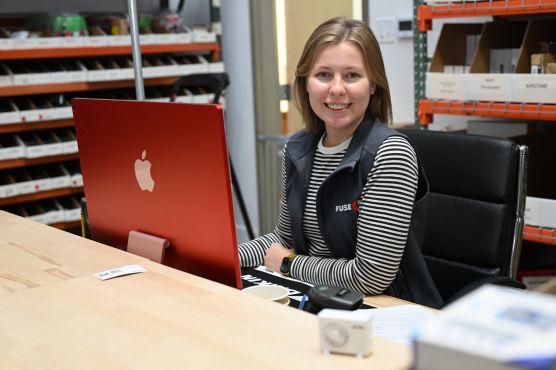
Customer support representatives answer calls around the clock and help homeowners understand what to expect. Dispatchers carefully coordinate schedules as demand changes throughout the day. Technicians solve problems in some of the hottest working conditions of the year.
Each role is essential to getting homes cool again as quickly as possible.
More Than Comfort
During a California heat wave, air conditioning is about more than convenience.
For families with infants, older adults, pets, or anyone with health conditions, maintaining a safe indoor temperature can be essential.
That’s why every service call matters, and why preparation before extreme heat arrives can make all the difference.
As California summers continue to bring higher temperatures, the team at Fuse Service knows that their busiest days are also the days homeowners need them most. Whether it’s answering a call in the middle of the night or restoring a cooling system on a sweltering afternoon, the mission remains the same: helping families stay safe and comfortable, no matter how high the temperature climbs.