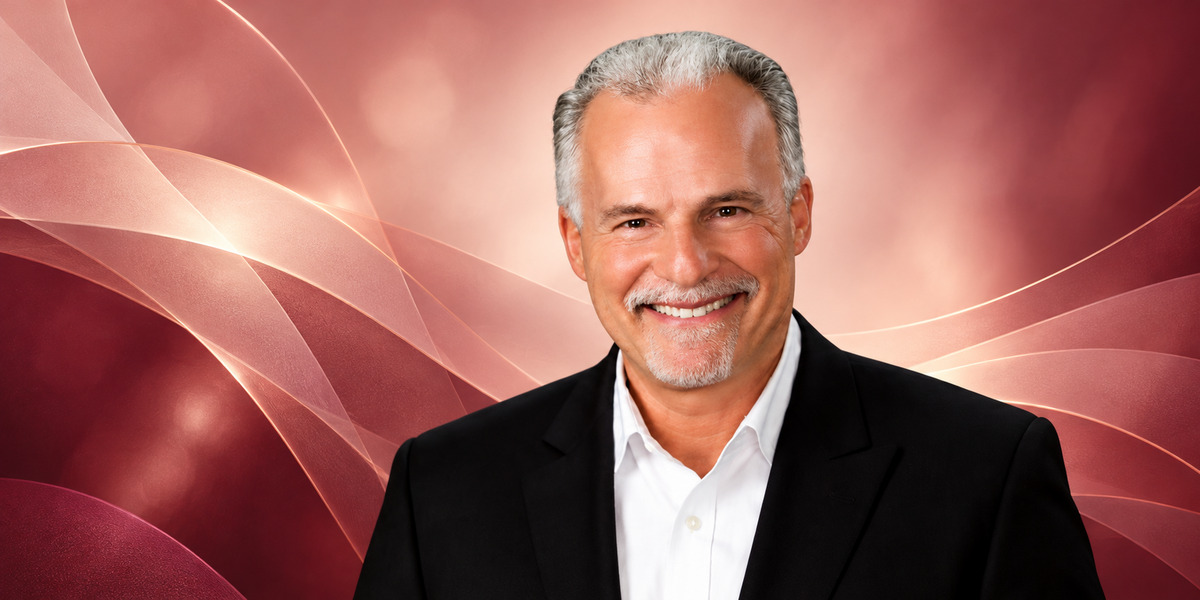

By: Dr. Bruce Mark, DC | Hollywood Laser Pain Center | Hollywood, Florida
Plantar fasciitis is the most common cause of heel pain, affecting approximately 2 million Americans annually. For patients in Hollywood, Hallandale Beach, Pembroke Pines, Fort Lauderdale, and across Broward County who have been managing it with stretching, orthotics, and cortisone injections, the clinical picture often shifts over time. Research has documented that chronic plantar fasciitis is more accurately described as a degenerative condition than an inflammatory one, which has shaped how clinicians and patients think about long-term care. Hollywood Laser Pain Center offers the Regenerative Medical Laser™ protocol as part of a non-surgical, tissue-level care approach for patients with chronic plantar fasciitis.
Plantar fasciitis that has persisted beyond six weeks is often categorized as chronic tendinosis, a degenerative tissue condition. Published research suggests that cortisone injections, which reduce inflammation in acute cases, may provide only temporary relief in chronic cases where the primary pathology is tissue degeneration rather than active inflammation.
At Hollywood Laser Pain Center, I have treated plantar fasciitis in runners on the Hollywood Beach boardwalk, healthcare workers from Pembroke Pines, service industry professionals from Fort Lauderdale, and retirees across Broward County for more than 27 years. The morning stabbing heel pain that eases with walking but returns with prolonged activity is a clinical signature I have seen many times in practice.
What Is Plantar Fasciitis and Why Doesn’t It Just Get Better?
The plantar fascia is a thick band of connective tissue running from the calcaneus to the metatarsal heads, supporting the longitudinal arch and absorbing impact during weight-bearing. When repetitive mechanical stress exceeds the tissue’s recovery capacity, micro-tears develop within the fascia.
Histopathologic research, including the foundational Lemont study, has established that chronic plantar fasciitis is more accurately described as a tendinosis, characterized by disorganized collagen fibers, neovascularization, and an absence of classic inflammatory cells. This finding has shaped clinical thinking about why anti-inflammatory treatments, including cortisone injections, often produce limited results in chronic cases, where inflammation is no longer the primary pathology.
What Does the Research Say About Cortisone Injections for Chronic Plantar Fasciitis?
Research on cortisone injections for plantar fasciitis, including the 2010 American College of Foot and Ankle Surgeons clinical practice guideline published in the Journal of Foot and Ankle Surgery, has documented risks including plantar fascia rupture and fat pad atrophy, the latter a potentially permanent complication that compromises the heel’s natural shock absorption. Across the published literature, rupture rates following corticosteroid injection have been reported in a range of approximately 2 to 10 percent. For patients who have already received multiple injections, these documented risks are part of the broader clinical conversation.
How Is the Regenerative Medical Laser™ Protocol Used for Plantar Fasciitis at Hollywood Laser Pain Center?
At Hollywood Laser Pain Center, the Regenerative Medical Laser™ protocol uses near-infrared laser energy delivered to the plantar fascia as part of a non-surgical, tissue-level care plan. Photobiomodulation has been studied for its cellular-level effects, with published research examining its relationship to fibroblast activity and collagen synthesis, the processes involved in tendon and fascial tissue repair.
Research published in Lasers in Medical Science has examined photobiomodulation in patients with plantar fasciitis, with multiple studies reporting reductions in pain and improvements in function. Laser therapy does not involve the injection-related risks of fascial rupture or fat pad atrophy that have been documented in the cortisone literature, and treatment sessions typically do not require recovery time. Each treatment plan is developed on an individual basis following clinical evaluation.
What Does Graston Technique Add for Heel Pain Patients?
Chronic plantar fasciitis often involves accumulated disorganized collagen and adhesion formation within the fascial tissue, pathology that is generally understood to require mechanical input to support organized healing. Graston Technique is an instrument-assisted soft tissue mobilization method applied to the plantar fascia, calcaneal attachment, and calf musculature. It is designed to address disorganized collagen deposits and to influence fascial tissue mechanics. It is often used in combination with other modalities as part of a comprehensive treatment plan for plantar fasciitis.
What Biomechanical Factors Are Associated With Recurrent Plantar Fasciitis?
Treating the plantar fascia tissue alone is necessary but not always sufficient. Tight gastrocnemius and soleus muscles can increase tension on the plantar fascia through the Achilles-plantar fascial complex. Foot pronation or supination patterns can create asymmetrical fascial stress. Gait abnormalities can perpetuate loading patterns associated with tissue strain. My clinical evaluation of plantar fasciitis patients integrates laser therapy and Graston Technique with assessment of the lower extremity biomechanical factors that, if unaddressed, may contribute to recurrence.
Visit reliefnowlaser.com/providers/hollywood/ to learn more. Patient education content is available at youtube.com/@ReliefNowNation. Contact Hollywood Laser Pain Center at 2607 Polk Street, Hollywood FL 33020 | 954-925-7333.
About the Author
Dr. Bruce Mark, DC | Hollywood Laser Pain Center | 2607 Polk Street, Hollywood FL 33020 | 954-925-7333 | reliefnowlaser.com/providers/hollywood/
Dr. Mark earned his Doctor of Chiropractic from Logan College of Chiropractic with honors and has practiced for more than 27 years in Hollywood, Florida. He holds certifications in Graston Technique and acupuncture, is a former collegiate football player at Wake Forest University, and practices at Broward Medical and Rehab. He is a provider in the national ReliefNow® network.
Disclaimer: The information provided in this article is for general informational purposes only and should not be construed as medical advice. Effectiveness of treatments may vary depending on individual circumstances. Consult a qualified healthcare professional to discuss your specific medical needs and treatment options.