
It was during this early part of the 2000s that the firearms industry in America began to see a trend in modular systems. The sporting rifle platform was an advancement in how people began to approach customization. Guns were no longer viewed simply as a tool, but rather as a system that can be enhanced with optics, lights, and other devices. Industry events like the SHOT Show began to play a large part in how manufacturers would introduce products to retailers and distributors. By this point in the early 2000s, optics and electronics would begin to see an increase in popularity.
Sightmark was introduced in 2007 during this period of growth, with its debut taking place at the SHOT Show. The brand entered the market with a focus on optical and electronic accessories for firearms, including rifles, shotguns, and pistols. Its founding aligned with the rising popularity of modern sporting rifles, which encouraged users to add optics and other attachments. By positioning itself within this segment, the company sought to address a growing need for accessible aiming solutions. The involvement of James Sellers, linked to Sellmark Corporation, connected the brand to a broader manufacturing and distribution structure.
The early product strategy reflected the needs of a market that was shifting toward customization. Sightmark offered red dot sights and riflescopes designed for quick installation on firearms equipped with rail systems. These products allowed users to improve aiming without modifying the core structure of the firearm. Electronic sights, including digital night vision and thermal imaging devices, were also part of the offering. This range supported different use cases, from daylight shooting to low-light conditions. By covering multiple categories, the company aligned its products with the varied demands of the modern shooting market.
The expansion of the accessory market during this period was supported by increased consumer interest in recreational shooting, hunting, and home defense. As the number of users of modular firearms increased, the need for accessories that are compatible with these products grew as well. In the product line of Sightmark, the company offered not only optical products but also other accessories, including lights and lasers, which are mounted on firearms. The focus of the company on compatibility and ease of use can be seen as an extension of the general trend in the industry, which emphasizes the need to standardize the accessories.
The SHOT show can be seen as an entry point for companies like Sightmark, which targets the industry in general, including manufacturers, retailers, and distributors of products in the firearms and outdoor industries. By choosing the venue, the company was able to introduce its products to the members of the industry in 2007. It also placed the brand within a network of companies that were responding to the same market changes. The timing of this introduction coincided with a period of steady growth in accessory sales.
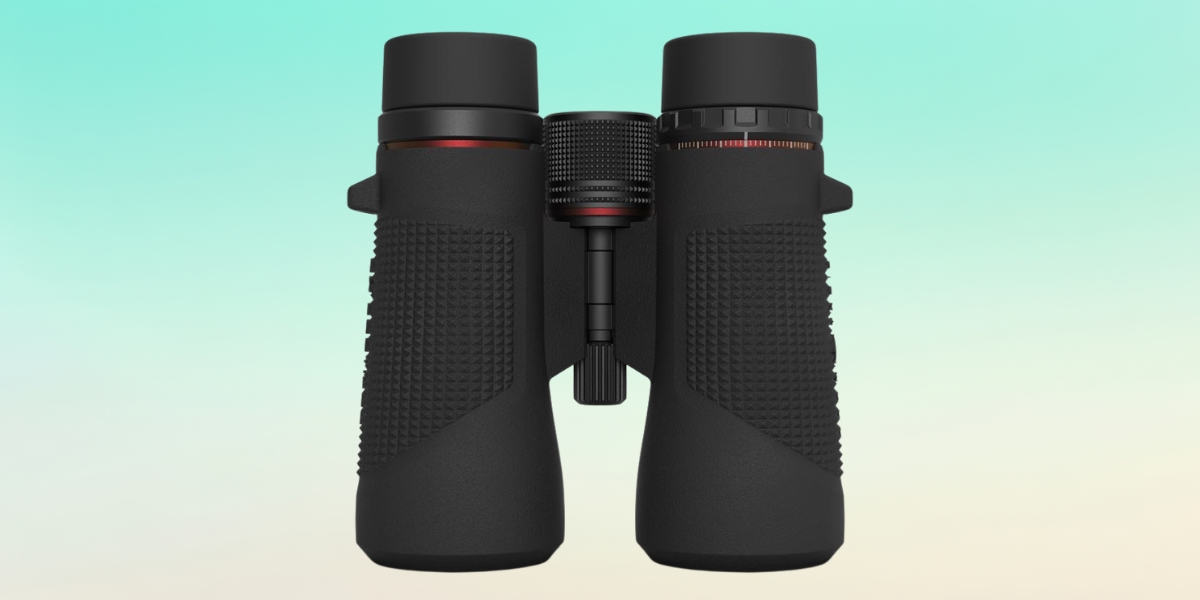
Sightmark’s positioning within the optics segment was defined by its focus on practical use cases. Red dots were designed for quick aiming, while riflescopes were used for more precise aiming over greater distances. Digital night vision and thermal imaging devices were used to extend usage into low-light and no-light conditions. Binoculars and scopes were designed to meet observation needs, and observation is linked to hunting and outdoor activities. This range of products indicated an attempt to cover both shooting and observation functions within a single brand structure.
The development of electronic optics during the late 2000s also influenced the company’s direction. Advances in sensor technology and digital processing made it possible to offer night vision and thermal imaging at lower price points than in previous decades. This opened the market to a broader group of users. Sightmark’s inclusion of these technologies in its product line reflected this shift. While not all users required advanced imaging, the availability of such options contributed to the overall growth of the optics segment.
The company’s association with Sellmark Corporation provided a framework for distribution and brand management. Sellmark, founded in 2000 and based in Mansfield, Texas, operates as a parent company for several outdoor and tactical brands. Through this structure, Sightmark products could be distributed across a network that serves thousands of retailers and multiple continents. This connection supported the brand’s ability to reach both domestic and international markets. It also allowed for coordination between product development and distribution strategies.
By the late 2000s and early 2010s, the modular accessory market had become a standard part of the firearms industry. Optics and electronic sights were no longer considered optional for many users. Instead, they were integrated into typical firearm setups. Sightmark’s early entry into this market positioned it within this shift. Its emphasis on compatibility with rail systems and standard mounts ensured that products would be usable for different varieties of firearms. This minimized limitations for consumers who wanted to upgrade or improve their products.
The wider industry environment for this company included an emphasis on consumer preferences and application-specific products. Products were designed for specific applications, such as hunting, competition shooting, or home protection. Sightmark offered optics and accessory products within this range. By offering different varieties of products, they could appeal to different segments without relying on a single product category. This was in line with the different ways in which firearms were being utilized at this point.
The founding of Sightmark in 2007 and its introduction at the SHOT Show were done within an environment of change for the firearms and optics industry. The development of modular firearm systems created a need for compatible products such as optics and electronic sights. By focusing on this category, they aligned themselves with changing consumer needs. Its association with James Sellers and Sellmark Corporation supported distribution and product development. The result was a brand positioned within a market defined by customization, accessibility, and expanding use of optical technology.