
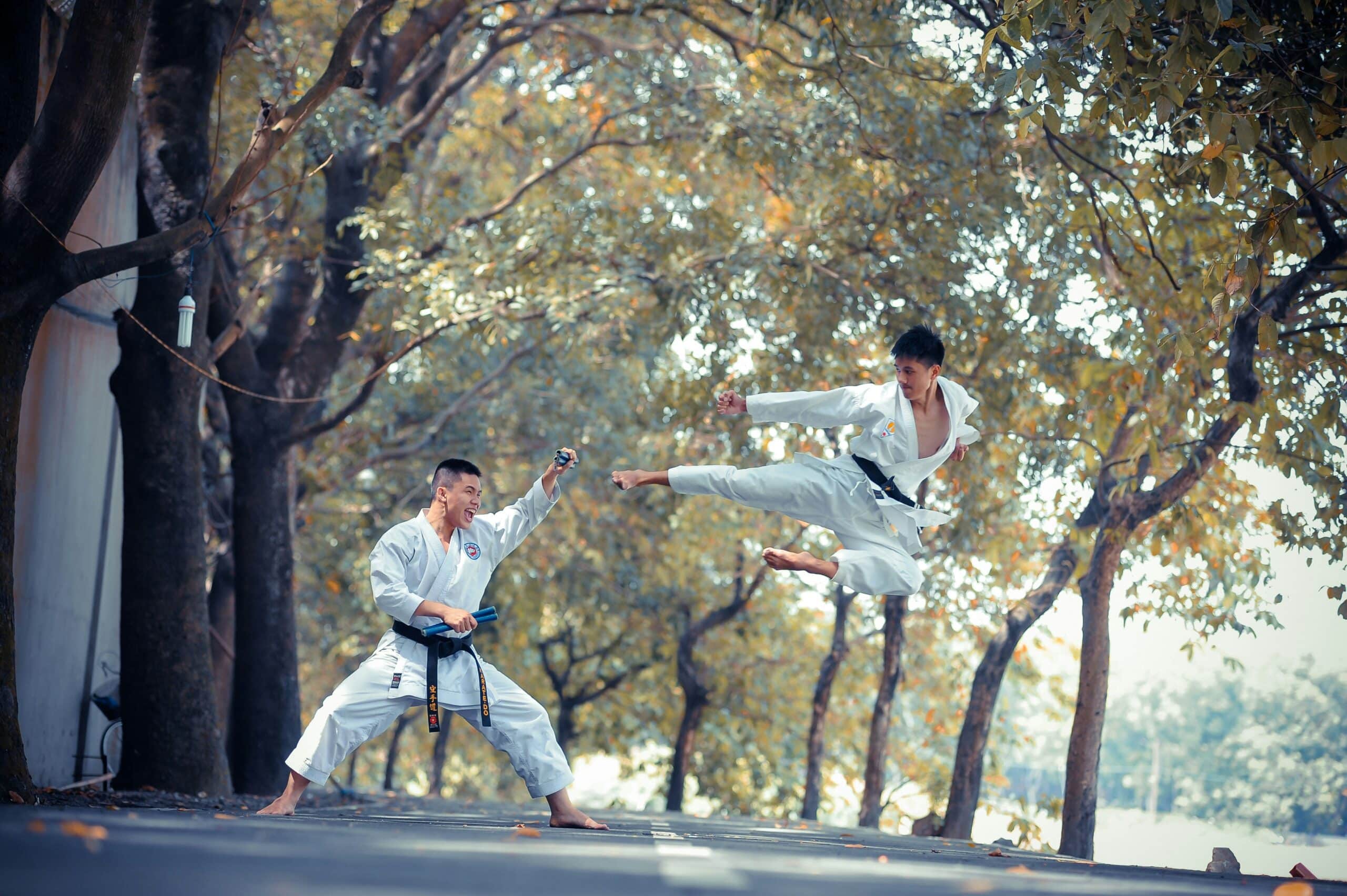
Martial arts are ancient traditions that have evolved into popular modern sports. While many people associate these activities with self-defense, their benefits go far beyond physical protection. Engaging in regular training provides a comprehensive approach to health, combining intense physical exercise with rigorous mental training. This balance makes martial arts a unique tool for personal development.
The Physical Impact of Training
Martial arts offer one of the most complete physical workouts available. Unlike gym routines that focus on specific muscles, martial arts require the whole body to work together. This improves coordination, balance, and core strength. High-energy styles, such as Muay Thai or Brazilian Jiu-Jitsu (BJJ), are particularly effective for weight loss and heart health.
When considering the intensity of these workouts, many people wonder, “How many calories do you burn in a one-hour Brazilian Jiu-Jitsu class?” On average, a person can burn between 700 and 1,000 calories in a single hour of BJJ. This is because the sport involves constant movement, lifting, and resisting an opponent, which keeps the heart rate high. These physical demands lead to improved endurance and a stronger immune system over time.
Building Mental Toughness and Focus
The mental benefits of martial arts are often considered just as important as the physical ones. Many styles require students to memorize complex movements and react quickly to an opponent. This constant mental engagement helps the brain stay sharp. For example, developing mental toughness and focus through Taekwondo practice is a common goal for many students.
Taekwondo emphasizes high kicks and fast footwork, which require extreme concentration. When a student learns to stay calm under pressure during a sparring match, they are training their brain to handle stress in real life. This mental strength helps individuals stay focused at work or school, even when tasks become difficult or frustrating.
Meditation and Mental Clarity
Some martial arts place a heavy emphasis on the internal state of the practitioner. Chinese martial arts, such as Kung Fu, often include quiet moments of reflection. Using Kung Fu meditation techniques to improve mental clarity allows a person to slow down their thoughts and reduce anxiety.
These techniques often involve deep breathing and standing in specific poses for long periods. By focusing on the breath, the practitioner clears their mind of daily worries. This practice teaches the individual how to control their emotions and maintain a peaceful internal state, even in a busy or loud environment.
Impact on Child Development
Martial arts are a popular choice for parents who want to help their children grow socially and emotionally. For a child who struggles with social interaction, the structured environment of a dojo or gym can be very helpful. Research shows how learning a martial art builds self-confidence in shy children by providing them with small, achievable goals.
As children earn new belts and learn new skills, they begin to believe in their own abilities. They learn that through hard work and practice, they can overcome challenges. Furthermore, the environment of respect in martial arts schools—where students must bow to their teachers and partners—helps children understand the importance of boundaries and polite behavior.
Developing Discipline and Patience
In a world where people often expect instant results, martial arts teach the value of long-term effort. It can take many years of consistent practice to master a single technique or reach a high rank. Many experts believe that traditional styles like Karate or Aikido are among the most effective martial arts for developing discipline and patience.
Progress in these arts is often slow. A student might practice the same punch or block thousands of times before it is perfect. This repetition teaches the student that success comes from persistence rather than luck. This sense of discipline often carries over into other areas of life, such as sticking to a healthy diet or completing a difficult project at work.
Choosing the Right Style
Because there are so many different types of martial arts, it is important to choose one that matches personal goals. If the primary goal is maximum calorie burning, a fast-paced combat sport like kickboxing might be best. If the goal is stress reduction and mental peace, a more traditional or internal art might be a better fit.
Regardless of the style chosen, the key to success is consistency. The benefits of fitness and mental discipline do not appear overnight. They are the result of showing up to class week after week, even when one feels tired or unmotivated.
Martial arts provide a powerful way to improve both the body and the mind. From understanding how many calories are burned in a BJJ class to exploring the meditation techniques of Kung Fu, it is clear that these practices offer a total life upgrade. By developing mental toughness through Taekwondo and building confidence in children, martial arts help create stronger, more focused individuals. Whether a person is looking for the most effective style for discipline or simply a fun way to get in shape, martial arts remain a primary choice for holistic health in the modern world.