
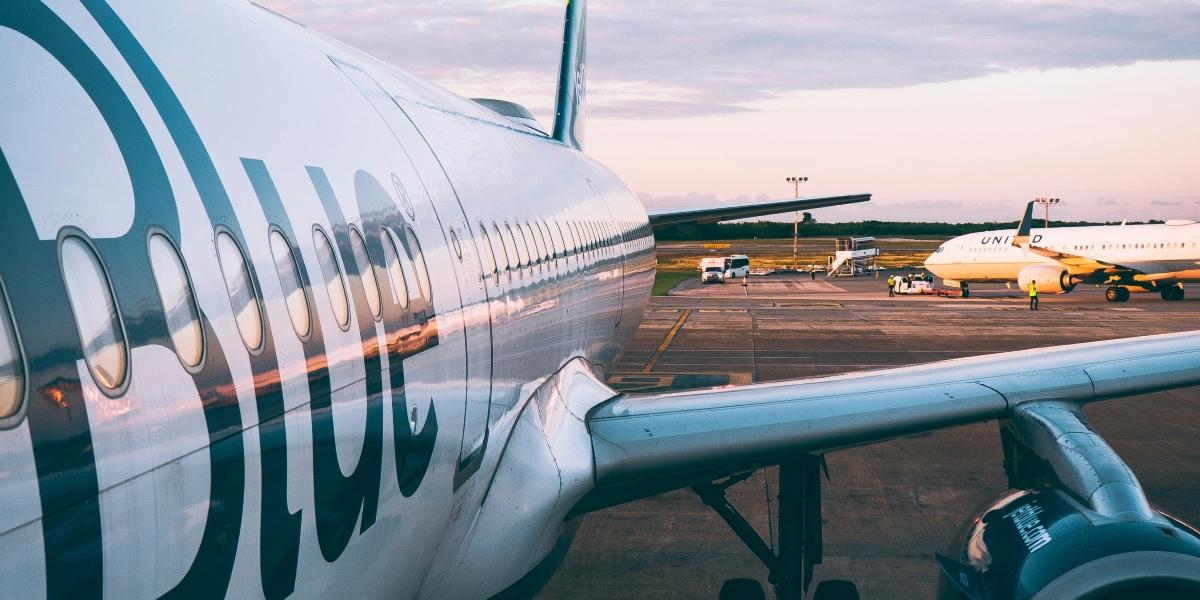
On March 10, 2026, the Federal Aviation Administration (FAA) briefly grounded all JetBlue flights across the United States following a significant internal system outage. The nationwide ground stop, requested by the airline itself, lasted approximately 40 to 60 minutes and prevented any JetBlue aircraft from departing while technical teams worked to resolve the disruption. Although the pause was short, it triggered a ripple effect of delays and cancellations throughout the airline’s network, affecting thousands of passengers early Tuesday morning.
A Morning of Technical Trouble
The disruption began when JetBlue reported a failure in its internal operations systems. To ensure safety and manage the flow of traffic, the FAA issued a formal advisory that halted all departures. This type of action is a standard safety measure when an airline cannot reliably access the data needed for flight plans, weight calculations, or passenger manifests.
Data from flight tracking services on March 10 showed that while the ground stop was lifted within an hour, the impact lasted much longer. By mid-morning, JetBlue experienced delays on over 15% of its scheduled flights for the day. While planes already in the air were permitted to continue to their destinations, those waiting at gates faced growing queues.
Expert Insights on Airline IT
System outages are a recurring challenge for the modern aviation industry, which relies heavily on interconnected software. Aviation analyst Sarah Miller noted the complexity of these systems. She said, “When a core database or a communication tool goes down, it’s like a nervous system failing. The airline loses its ability to ‘see’ its own assets, making a ground stop the only responsible choice.”
JetBlue remained quiet about the specific technical cause. In a brief statement, the airline confirmed that the “system outage has been resolved and flights have resumed normal operations.” However, they declined to clarify if the problem was a hardware failure, a software bug, or a network issue. This lack of detail is common during the first 24 hours of such incidents, as teams conduct forensic audits of their IT environment.
Passenger Impact and Industry Context
For passengers at major hubs like John F. Kennedy International Airport (JFK) in New York, the brief outage created immediate confusion. Even a 40-minute delay in departures can lead to missed connections later in the day, especially for international routes to Europe or Latin America. JetBlue operates in more than 110 destinations, and a halt at its primary base affects the entire schedule.
This incident is not unique to JetBlue. In recent years, other major carriers have faced similar struggles:
Alaska Airlines: Experienced a widespread IT failure that led to hours of cancellations.
Delta Air Lines: Suffered a software issue that disrupted operations for several days.
Compared to these historical examples, JetBlue’s recovery was relatively fast. “A one-hour ground stop is a minor hiccup in the grand scheme of airline operations,” explained Thomas Vance, a consultant for urban transit and aviation. “The fact that they resumed so quickly suggests it was a connectivity glitch rather than a total system collapse.”
The Cost of Connectivity
Every minute an airline is grounded carries a heavy price tag. Industry data suggests that a nationwide ground stop for a major carrier can cost between $10,000 and $20,000 per minute in lost productivity, fuel changes, and passenger compensation. While JetBlue has not released financial figures, the 60-minute window likely cost the company over $1 million when accounting for the resulting delays throughout the day.
The FAA’s role in these moments is strictly as a coordinator. The agency’s advisory stated clearly that the stop was at the “airline’s request.” This highlights a partnership where the government provides the authority to pause traffic, while the airline takes responsibility for the technical fix.
Moving Forward in 2026
As of Wednesday, March 11, 2026, JetBlue operations have returned to a standard schedule. However, the event serves as a reminder of how fragile the digital infrastructure of travel can be. The airline is expected to provide a more detailed report to the Department of Transportation regarding the cause of the failure and the steps taken to prevent a repeat.
For travelers, the lesson is clear: even a short technical glitch can change a travel day. Experts recommend keeping airline apps updated and notifications turned on, as these tools are often the first to report a system recovery. Despite the brief chaos, the quick resolution allowed JetBlue to avoid the multi-day “meltdowns” that have haunted other carriers in the past.