
Transportation and Daily Life
Modern transportation affects how people live, work, and connect. Cars, buses, trains, and airplanes allow individuals to reach jobs, schools, and healthcare facilities that might otherwise be out of reach. This access has expanded opportunities for many communities, making mobility a central part of daily routines.
The Canary explains that transportation is more than a way to move from one place to another. It enables social, cultural, and economic activities that shape how societies function. Highways, for example, changed how people live in suburban areas, while public transit systems continue to support urban centers.
This connection between mobility and opportunity reassures many that transportation is not just about vehicles. It is about access to resources and relationships. Understanding this helps explain why transportation remains a priority for governments and communities worldwide.
Environmental Considerations
While transportation provides benefits, it also affects the environment. Vehicles powered by fossil fuels release greenhouse gases, which contribute to climate change. Air pollution from cars and trucks can also affect public health, especially in cities with heavy traffic.
The Institute for Environmental Research and Education outlines how transportation contributes to air pollution, water contamination, and habitat loss. These impacts are not limited to one region but are shared across the globe, making transportation a key factor in environmental discussions.
Electric vehicles and public transit improvements are often presented as solutions. While these changes don’t eliminate all environmental concerns, they can reduce emissions and provide alternatives that are less harmful. This gradual shift shows that transportation systems can adapt to balance human needs with environmental care.
Economic Impact
Transportation also plays a role in economic growth. Goods move across countries and continents through shipping, trucking, and air freight. Without these systems, trade would slow, and access to products would be limited.
The Environment Go publication notes that transportation supports both passenger and freight mobility, especially in urban areas where demand is high. While congestion and emissions are challenges, the ability to move goods efficiently remains essential for economies.
For individuals, transportation creates jobs in construction, logistics, and maintenance. It also supports industries like tourism, which depend on people being able to travel. This economic role helps explain why investment in transportation infrastructure is often seen as a way to support growth.
Technology and Innovation
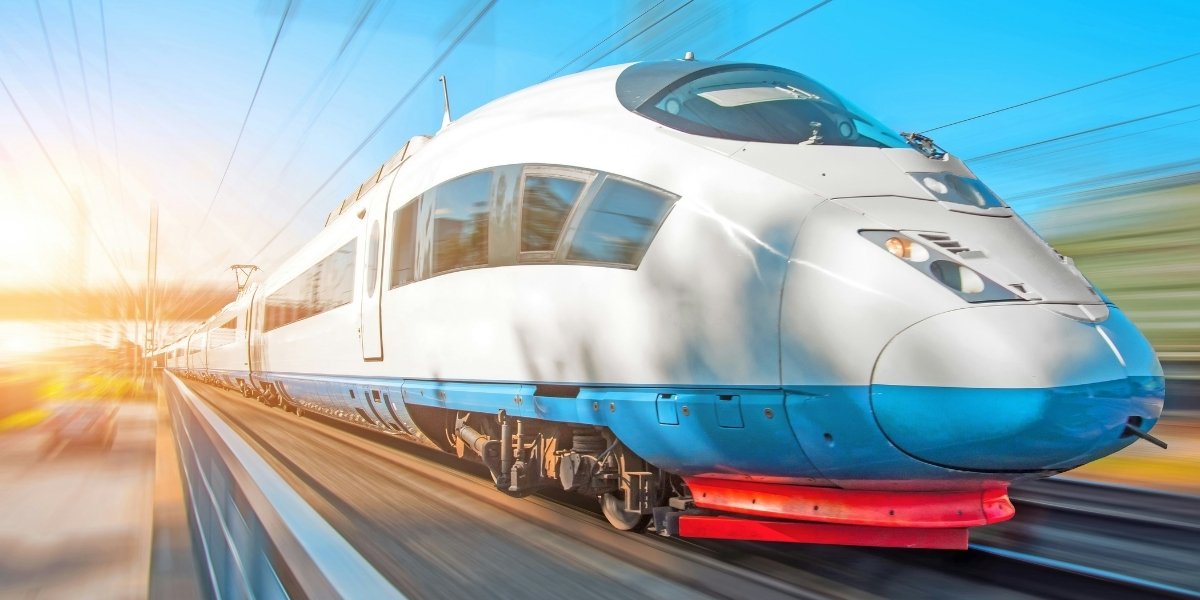
Advances in technology are changing how transportation works. Electric vehicles, high-speed trains, and shared mobility services are becoming more common. These innovations aim to make travel faster, safer, and less harmful to the environment.
While some of these technologies are still developing, they already influence how people think about travel. For example, electric buses are being introduced in many cities, reducing emissions while maintaining reliable service. High-speed rail projects in countries like Japan and France show how trains can compete with air travel for certain routes.
These changes reassure communities that transportation can adapt to new challenges. By combining traditional systems with new technologies, societies can maintain mobility while addressing environmental and economic concerns.
Accessibility and Equity
Transportation systems don’t affect everyone equally. For people in rural areas, limited bus or train routes can make it harder to reach jobs, schools, or medical care. In cities, those with disabilities may face barriers if stations and vehicles aren’t designed with accessibility in mind. These gaps show that transportation is not only about efficiency but also about fairness.
The World Bank notes that inclusive transport planning can reduce inequality by ensuring that all groups, including women, children, and people with disabilities, have safe and affordable options. When systems are designed with equity in mind, they expand opportunities for those who might otherwise be left out.
This perspective reassures readers that transportation is not just a technical issue. It is also a social one, where thoughtful planning can help create more balanced access to resources and opportunities.
Health and Well‑Being
Transportation also influences health in ways that go beyond air quality. Long commutes can increase stress, while traffic noise can affect sleep and concentration. On the other hand, walking and cycling infrastructure can encourage physical activity, which supports healthier lifestyles.
The American Public Health Association explains that transportation choices directly affect community health. For example, reducing car dependency can lower pollution levels and encourage more active travel, which benefits both individuals and neighborhoods.
By recognizing these connections, communities can design systems that support well‑being. This helps reassure readers that transportation planning is not only about moving people but also about creating healthier environments.
Planning for the Future
Cities and governments are also thinking about how transportation can adapt to population growth and environmental change. Concepts like “complete streets,” which are designed for cars, bicycles, and pedestrians together, aim to make roads safer and more inclusive. Another approach, called “transit‑oriented development,” places housing, shops, and services near public transit to reduce reliance on cars.
The Urban Land Institute highlights how these strategies can make communities more resilient by reducing congestion and supporting sustainable growth. These ideas are already being tested in cities across the world, showing that transportation planning is adapting to new challenges.
This planning provides reassurance that transportation systems are not static. They continue to change in ways that balance mobility, environmental care, and community needs.
Social Connections
Transportation also affects how people connect with one another. Families separated by distance can visit more easily, and cultural exchange is supported by the ability to travel. This has helped create more diverse communities, where ideas and traditions are shared across borders.
The Canary highlights how transportation has shaped social ties by making it easier to move between regions and countries. This movement has influenced everything from food and music to education and business.
While some worry about the pace of change, transportation continues to provide reassurance by keeping people connected. It allows communities to maintain traditions while also engaging with new experiences.