Americans are expected to spend $13.5 billion on Halloween in 2026, according to the National Retail Federation’s annual survey. That tops last year’s record of $13.1 billion and sets a new high in nominal dollars. About 74% of consumers plan to celebrate this Saturday, October 31, spending an average of $115.14 each, with many shoppers focused on value.
Key Takeaways
- Total Halloween spending is projected at $13.5 billion, up from $13.1 billion in 2025, in figures not adjusted for inflation.
- Costumes lead at $4.4 billion, followed by decorations at $4.3 billion and candy at $4.1 billion.
- Pet costume spending is expected to reach about $920 million.
- Discount stores are the top shopping destination, cited by 39% of shoppers.
- 13% of shoppers plan to buy from local and small businesses, nearly double the 7% recorded in 2016.
Halloween Spending in 2026 Reaches a New High
The National Retail Federation (NRF) released its forecast on September 22, based on a survey of 7,889 consumers conducted September 1–9 by Prosper Insights & Analytics. NRF has tracked Halloween shopping plans every year since 2005.
The projected $13.5 billion keeps spending near last year’s record level. Participation is also holding up. About 74% of consumers plan to celebrate, compared with 68% in 2019, before the pandemic. Halloween has kept the broader appeal it gained in recent years.
NRF framed the results as a balance between enthusiasm and caution. “Consumers continue to make Halloween a spending priority, but they are also approaching the season with affordability in mind,” said Allison Zeller, NRF’s vice president of industry and consumer insights.
How Much Americans Spend on Halloween, Category by Category
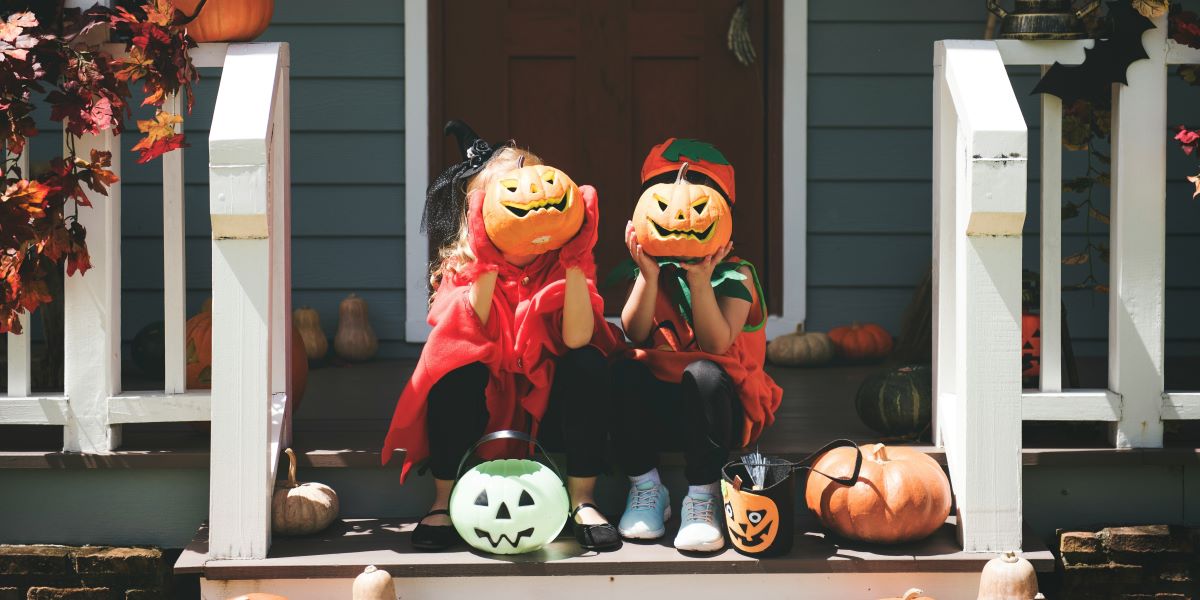
Costumes are the largest category. About 71% of shoppers plan to buy costumes, accounting for $4.4 billion in spending. That total includes about $2 billion on adult costumes, $1.5 billion on children’s costumes and $920 million on costumes for pets.
Decorations come next at $4.3 billion, with 78% of shoppers planning to buy them. Candy remains the most common purchase. Some 96% of shoppers plan to buy sweets, for a total of $4.1 billion. Greeting cards are gaining ground, with 42% of shoppers planning to buy them, up from 38% last year, for about $800 million in spending.
Costume choices follow familiar patterns. Superheroes and princesses rank high for children, witches top the list for adults, and pumpkins, hot dogs and ghosts are popular picks for pets.
Average Halloween Spending per Person Is $115.14
Among those celebrating, the average Halloween spending per person is expected to be $115.14. That figure covers costumes, candy, decorations and cards combined, so individual budgets vary widely depending on how households celebrate.
Higher prices are part of the picture. Rising costs show up across household budgets this year, from candy aisles to coffee prices hovering near record highs. Because NRF’s dollar figures are not adjusted for inflation, some of the growth in spending reflects higher prices rather than more purchases.
Shoppers Turn to Discount Stores and Start Early
Where people shop shows how they are managing costs. Discount stores are the top destination, chosen by 39% of shoppers, followed by specialty Halloween and costume stores at 32% and online retailers at 27%.
Shoppers are also starting earlier. About half planned to begin their Halloween shopping in September or before, which gives them more time to compare prices and spread out spending.
Local and Small Businesses See More Halloween Shoppers
One notable shift involves where shoppers choose to spend. In this year’s survey, 13% plan to make Halloween purchases at local and small businesses, nearly double the 7% recorded a decade ago in 2016. For independent costume shops, bakeries and decor stores, Halloween offers a seasonal opportunity to reach customers looking for something different.
What Halloween Spending Signals for the Holiday Season
Halloween is the first major spending occasion of the fall, and it offers an early read on consumer behavior heading into the winter holidays. This year’s data points in two directions at once. Consumers are still willing to spend on celebrations they value, but they are shopping strategically, starting early, choosing discount stores and watching prices. Retailers planning for the holiday season can expect shoppers who are engaged but careful with their money.
FAQs
How Much Do Americans Spend on Halloween?
Americans are expected to spend $13.5 billion on Halloween in 2026, according to the National Retail Federation. That is up from a record $13.1 billion in 2025, in figures not adjusted for inflation.
What Is the Average Halloween Spending per Person?
Consumers who celebrate Halloween are expected to spend an average of $115.14 each in 2026, according to NRF’s annual survey. The total covers costumes, decorations, candy and greeting cards.
What Do People Spend the Most On for Halloween?
Costumes account for the largest share of Halloween spending, at $4.4 billion in 2026. Decorations follow at $4.3 billion and candy at $4.1 billion, though candy is the most common purchase, with 96% of shoppers buying it.