
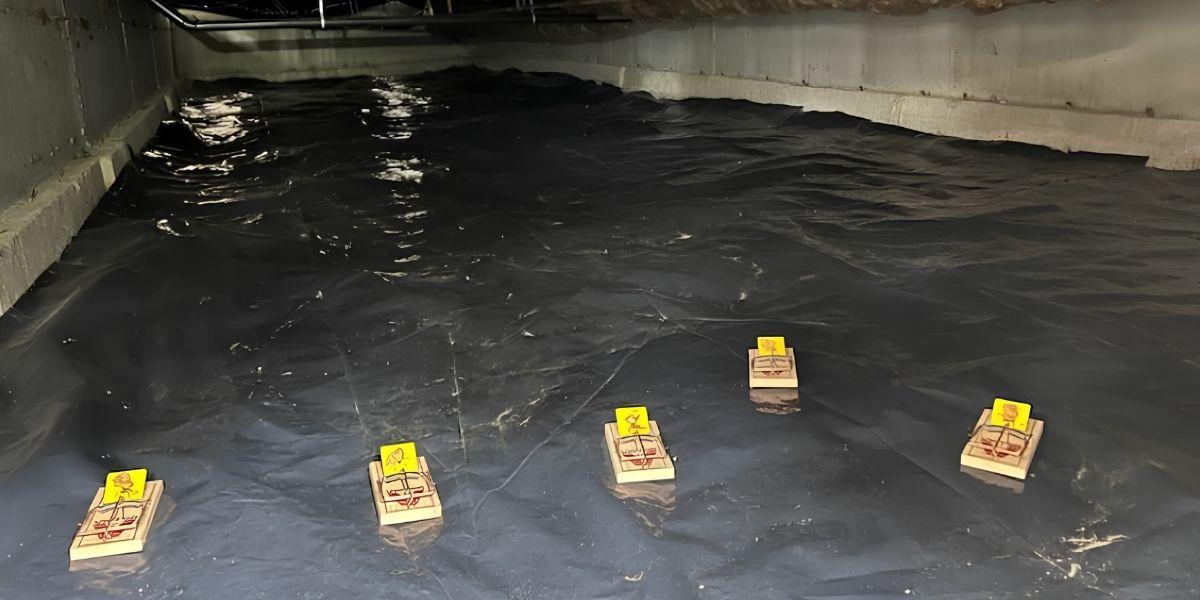
For a long time, rodents in the United States were controlled using chemically-based bait and glue trap systems, plus quick-response devices for immediate removal of rodents already present in the home/structure. While these methods are widely known and easy to use, property owners have increasingly started to seek out alternative methods due to fears of food contamination, accidental poisoning, and reintroduction of rodents back into their properties. In metropolitan areas where housing and living situations are frequently older than ten years old and highly concentrated (i.e., neighborhood clusters), it is becoming increasingly apparent that traditional pest control/‘extermination’ methods are often insufficient in breaking the cycle of recurrence.
Some communities have also raised questions about how certain pesticides move through outdoor spaces and into the food chain. Municipal agencies in several regions have published reports on how secondary poisoning affects non-target wildlife, particularly birds of prey. While those studies do not speak to one company or one method, they show how environmental concerns can influence public expectations. These larger discussions have created room for companies that emphasize physical exclusion rather than chemical reliance, a trend that has appeared in several Western states over the last two decades.
Against that backdrop, Myzzer Rodent Exclusion entered the field in 2003 in Seattle, Washington. The company began as an effort led by Chris Sean to approach rodent issues with a different set of priorities that centered on sealing buildings and limiting repeated exposure to poisons. After its start in Seattle, the business operated in residential neighborhoods where older structures often had gaps in walls, ventilation areas, crawl spaces, and rooflines. Sean focused on prevention and repair rather than single-visit treatments, a pattern that shaped the company’s identity during its early years.
During its first phase, the company concentrated on identifying small structural openings that allowed rodents to move into attics, basements, and insulated wall spaces. According to information provided by the company, this approach aimed to reduce the likelihood of rodents returning after each removal effort. By the time the service model was more established, the company had completed work on a large number of houses across the Seattle region. The figure of more than fifty thousand serviced properties has been associated with the company’s Rodent Infestation Prevention program, often referred to as the RIP Program.
The RIP Program grew into the company’s primary service during the mid-2000s as more property managers began to ask for long-term preventive strategies. The program relies on inspecting full structures, sealing accessible entry points, and addressing damage to insulation or other building materials. The method also includes capturing rodents that remain inside after access points are sealed. This gradual shift toward a whole building approach gave the company a framework that differed from many established extermination companies in Washington during that period.
As demand increased, the company expanded its operational range beyond Seattle. By the late 2000s and early 2010s, Myzzer Rodent Exclusion began to take on work in Los Angeles, California, and later in the Las Vegas, Nevada area. Each location presented different challenges since climate, construction styles, and local regulations varied from city to city. In Los Angeles, for example, larger multifamily buildings meant that structural access points could involve shared walls and roof intersections. In Las Vegas, intense heat required attention to ventilation openings that were sometimes left uncovered during construction. These regional differences shaped how the company applied its program outside Washington.
Over time, the company reported that its clients included homeowners, property managers, city agencies, cell tower companies, and branches of the United States military. These accounts pointed toward a broader range of buildings than the single-family residences where the company first developed its service model. Work for city agencies often involved older structures with recurring problems, while cell tower sites required attention to wiring and equipment areas that attracted nesting rodents. Military-related projects reflected another category in which long-term reliability was valued, especially in storage facilities and remote operational buildings.
Throughout its development, Myzzer Rodent Exclusion continued to frame its identity around poison-free and pesticide-free control. Sean’s emphasis on structural repair and prevention aligned with a broader conversation about limiting chemical exposure in homes and workplaces. Although traditional extermination methods remained widespread in the United States, the rise of exclusion-based companies illustrated how parts of the industry were adapting to new expectations. Whether this trend becomes a central part of rodent management nationally is not yet clear, but it has gained attention in several western cities where construction density and environmental concerns intersect.
The company’s history from its founding in 2003 through its expansion into California and Nevada shows a gradual shift from a small regional service to a provider operating in multiple urban markets. Its growth trajectory reflects a focus on long-term solutions rather than quick treatments and highlights how property owners in different regions have responded to non-chemical approaches. With ongoing discussions about safety, sustainability, and the effectiveness of preventive methods, Myzzer Rodent Exclusion and similar companies continue to play a role in shaping how rodent control is viewed in both residential and institutional settings.
Today, the company remains associated with the model first established by Chris Sean in Seattle, a model that relies on sealing structures, repairing damage, and reducing the use of hazardous substances. While the broader industry continues to evolve, the company’s timeline illustrates how one prevention-focused approach developed in the early 2000s and expanded into new regions as interest in non-chemical solutions increased.