
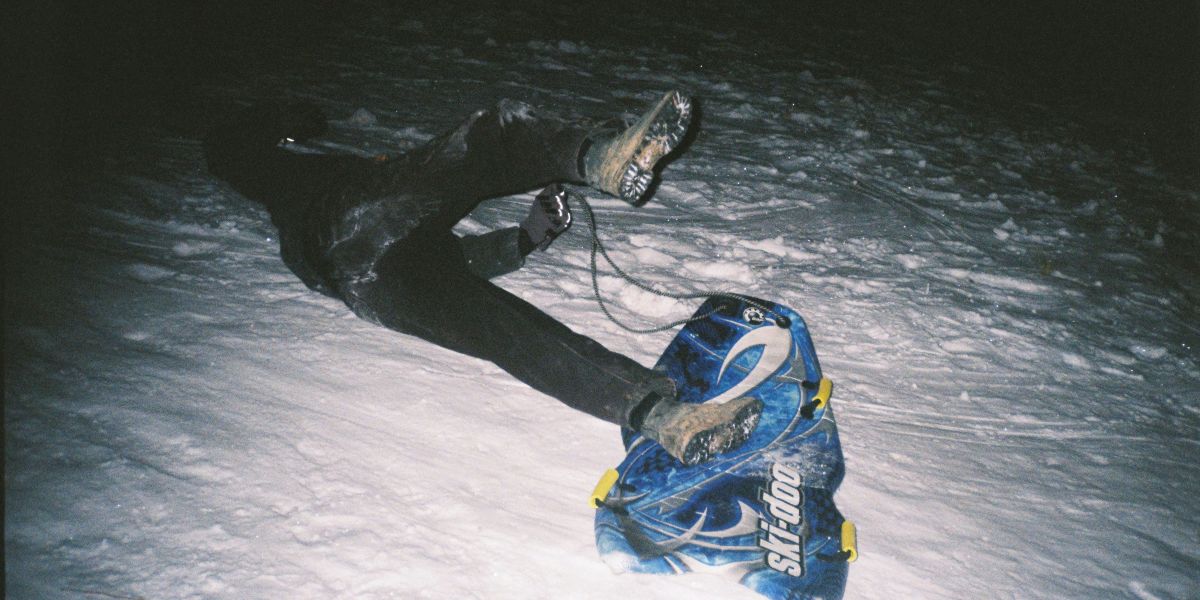
Winter has a way of making ordinary places feel unfamiliar. A sidewalk that is easy to cross in July can turn into a slick hazard in January. A thin glaze of ice on a parking lot can turn a short walk into a sudden fall. These incidents often happen quickly, with little warning, and they can leave people dealing with serious injuries and unexpected expenses. After the immediate shock, a practical question usually follows: who, if anyone, is legally responsible for the injuries suffered by the victim of a slip and fall accident?
As massive winter storms spread across the United States, many people have been affected by snow and ice. Victims of falls may need to determine whether they might be able to take steps to obtain financial compensation for their injuries. Liability for winter slip and fall accidents may depend on why a surface was slippery, what the property owner knew (or should have known), what reasonable steps should have been taken to address hazards, and what legal responsibilities applied to a property owner under state law.
Why Winter Slip and Falls Can Happen
Snow and ice can create risks that may be surprisingly hard to detect. Several common conditions can contribute to falls, including:
Packed Snow and Refreezing
Snow that gets walked on or driven over can be packed down into a slippery layer that covers a road, parking lot, or sidewalk. As daytime temperatures rise and nighttime temperatures drop, melting and refreezing can produce “black ice,” a thin, transparent sheet that can be difficult to see. Refreezing can also happen after partial shoveling, if water runs onto a cleared walkway and freezes again.
Poor Drainage and Runoff
Water does not always stay where it falls. Sloped sidewalks, uneven pavement, and clogged drains can channel water across walking paths. That runoff may freeze into a smooth, slippery surface. In these cases, weather alone may not be responsible for hazards, and the way property is designed or maintained could put people at risk of slip and fall accidents.
Inadequate Snow Removal or Treatment
Even when snow is shoveled, a thin layer can remain, especially if surfaces are not salted. Plows may leave ridges of snow on curbs and crosswalks. Entrances to buildings can become slick when snow is tracked inside, creating wet floors that may refreeze or create slush near doors.
Visibility and Lighting Problems
During the winter, daylight hours are shorter. Dim lighting, burned-out bulbs, or snow piles that block light can make it harder for visitors to see icy patches, uneven pavement, or steps.
Where Winter Slip and Fall Accidents Often Occur
Winter falls can happen anywhere, but certain locations are frequent trouble spots because of traffic, drainage patterns, or the way people move through them.
Sidewalks and Building Entrances
Public-facing entrances are common sites for falls, because foot traffic can pack snow down quickly. Problems often arise near entry mats, door thresholds, stairs, and ramps.
Parking Lots and Parking Garages
Parking lots can hide hazards under thin layers of snow. Painted lines and curbs may disappear, increasing the chance of missteps. In garages, melting snow from vehicles can create puddles that freeze, especially near entrances and ramps.
Steps, Handrails, and Outdoor Stairways
Stairs become more dangerous when snow fills in the treads or when ice forms at the edge of a step. Missing or loose handrails can worsen injuries or increase the likelihood of a fall.
Sidewalks and Loading Areas
Delivery routes, dumpster enclosures, and employee entrances may receive less attention than customer walkways when snow or ice is cleared away. These areas may become icy due to runoff from roofs or compacted snow.
The Duty of Property Owners to Keep Areas Reasonably Safe
In most states, slip and fall claims may address negligence by property owners. Property owners or occupiers are required to take reasonable care to maintain safe conditions for people who lawfully visit their properties. In practical terms, this means property owners must take reasonable steps to:
- Inspect areas that visitors use, including high-traffic walkways where snow or ice may accumulate
- Address hazards within a reasonable time by clearing snow, removing ice, or placing salt
- Warn visitors when a hazard cannot be corrected immediately
- Maintain features like lighting, handrails, and drainage
The reasonable steps that property owners must take may depend on the specific conditions. A sudden ice storm can create dangerous conditions that a property owner may not be able to address right away, but the proper steps may need to be taken after a storm has cleared. On the other hand, a recurring icy patch caused by a drainage problem may be a maintenance issue, and failure to address this issue could lead to liability for a property owner.
Who May Be Responsible Besides a Property Owner
In many winter slip and fall cases, multiple parties may share responsibility. They may include:
Landlords, Tenants, and Property Managers
A landlord may control common areas like parking lots and entryways, while a tenant may control the interior of a store or a leased walkway. Property managers may handle maintenance. Leases and service contracts often define who is supposed to shovel, put down salt, or arrange for snow removal.
Homeowners’ Associations and Condominium Associations
In communities with shared spaces, an association may be responsible for making sure sidewalks, stairways, and parking areas are safe for people to use. Whether an association, a management company, or an outside contractor is involved can affect how responsibility is evaluated.
Snow Removal Companies and Maintenance Contractors
Some property owners hire contractors to plow roads and driveways and treat surfaces. If a contractor performs work poorly, creates hazards through actions like pushing snow into dangerous piles, or fails to follow the agreed procedures, the contractor may be responsible for slip and fall accidents. However, a property owner may also be liable if they ignored obvious hazards.
How Different States Treat Snow and Ice Hazards
The laws that affect winter slip and fall cases can vary from state to state. Two issues that these laws may address include when a property owner must clear snow and ice and how natural versus “unnatural” accumulations may be addressed.
“Reasonable Time” to Remove Snow and Ice
Many states recognize that it may not always be possible to clear away snow and ice immediately. Some jurisdictions effectively allow a reasonable period after a storm for owners to respond. Under this approach, liability for slip and fall accidents may be based on questions like:
- How much time passed after the storm ended before the fall occurred?
- What is reasonable for that type of property (a busy store versus a private home)?
- Were any interim steps taken, such as salting high-traffic areas?
- Was the hazard predictable and repeated (for example, refreezing at the same spot each night)?
In some places, local ordinances may require sidewalk clearing within a certain number of hours. In certain jurisdictions, an ordinance violation might support an argument that the owner failed to act reasonably.
Natural Accumulations Versus Unnatural Accumulations
Some states draw a line between naturally occurring snow and ice and conditions that have been made worse by human activity, property defects, or other forms of negligence. Natural accumulation generally refers to snow or ice that forms from ordinary weather. Unnatural accumulation may refer to conditions that are created or worsened by a building feature or maintenance problem, such as a gutter dumping water onto a walkway or snow piles placed in locations where they can melt and refreeze on a pedestrian path.
In jurisdictions that emphasize this distinction, property owners may not be liable for natural accumulations, but they could be held liable for hazards caused by property defects or maintenance issues. Other states may not use this framework, and they may instead look at whether a property owner acted reasonably under the circumstances.
Notice: What the Owner Knew or Should Have Known
Another key difference among states is how they handle “notice.” Many places require an injured person to show that the property owner either knew about dangerous conditions or should have discovered them through reasonable inspections of their premises. How long a hazard existed and whether it was a recurring issue may be considerations in these cases.
Determining Responsibility After a Winter Slip and Fall Accident
Responsibility for a slip and fall injury on snow or ice may be determined by piecing together both the condition of the property and the timeline of events. Helpful questions often include:
- What exactly caused the slip: ice, packed snow, a hidden step, or tracked-in slush?
- Was the area treated with salt or sand, and if so, when?
- Were there warning signs, cones, blocked-off areas, or alternate routes?
- Had the hazard been reported previously, or did it occur repeatedly in the same spot?
- Who controlled the area where the accident occurred, and who had the job of maintaining it?
Medical records can document the injuries suffered by an accident victim, while photos, weather history, maintenance logs, and witness accounts can help to determine how the hazard formed and how long it was present.
An attorney can help evaluate how state-specific rules apply to those facts, especially where issues like storm timing, notice, or unnatural accumulations may need to be considered. They can also help victims determine what steps to take to obtain financial compensation for the injuries and damages they have suffered.
Disclaimer: The information provided in this article is for general informational purposes only and is not intended as legal advice. While every effort has been made to ensure the accuracy of the content, the circumstances surrounding slip and fall accidents can vary significantly. For specific legal concerns or to discuss your particular situation, it is recommended that you consult with a qualified attorney who can provide guidance based on the laws of your state and the details of your case.