
By: Ryan Mitchell
This book landed on my desk like a note from someone who knows the hospital from the inside and is frustrated with overly soft leadership advice. It matters because it refuses to separate the person at the bedside from the leader in the hallway. It argues that clinical care and leadership should not be treated as separate tracks. When you read it, you feel the weight of that choice.
The experience is not glossy. It is not comforting. I felt a kind of quiet challenge page after page. There are moments where the book feels like it is calling out the little evasions people can make when they say they support teams but do not actually give them the space to speak. It made me feel both exposed and buoyed. That mix is rare. It means the book does not stop at identifying pressure points. It also offers a path for how to show up differently.
The ideas in the book are wider than the scrubs and patient charts. It is about how people earn trust, how culture gets shaped by the everyday small choices, and how systems can either strain or support the people inside them. It is about what happens when a clinician learns to think beyond the visit and toward the whole environment of care. That is a theme that resonates beyond hospitals. Any place where craft and compassion must meet structure can learn from what this book says.
The voice is not academic. It is not the voice of a distant expert. It has a practical edge, but it also has a softness in the right places. The structure feels more like a sequence of lived scenes than a list of bullet points. The author appears to move through specific tensions instead of sketching out a model and pretending it will solve everything. That makes the writing feel more honest. The language is direct without being brusque. There is enough detail to make the reader feel the stakes, but not so much that it becomes exhausting.
The book also has a surprising amount of heart. There are passages that make you feel the humanity in leadership, not just the strategy. It makes clear that leading well depends on being willing to sit with discomfort, to make hard choices, and to say yes to accountability. That is not the same as being rigid. The book frames it as the opposite. It is about being present with the mess and the people, not hiding behind a title.
One of the strongest aspects is how the book treats the next generation of leaders. It does not speak to them as if they need to learn more knowledge. It speaks to them as if they need permission to lead and the courage to keep learning. That is a powerful shift. It makes the book feel like a conversation with someone who wants to get the next wave of leaders ready for reality instead of protecting them from it.
When you finish, the lasting impression is not that this is another healthcare leadership manual. This is a book for people who care enough to want healthcare to work better for both patients and clinicians. It is useful to people who are already in leadership and also to people who are thinking about stepping into it. It does not promise a perfect solution. It asks for more honesty and more effort. That is why it feels grounded compared with many other books in the same category.
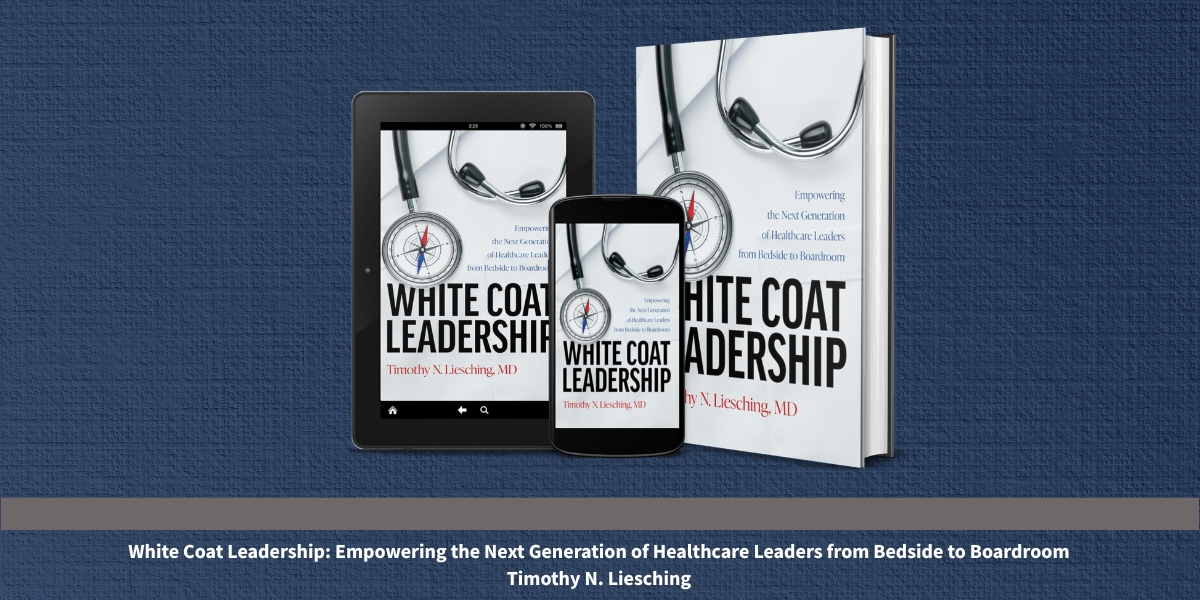
Get your copy of White Coat Leadership: Empowering the Next Generation of Healthcare Leaders from Bedside to Boardroom on Amazon.