
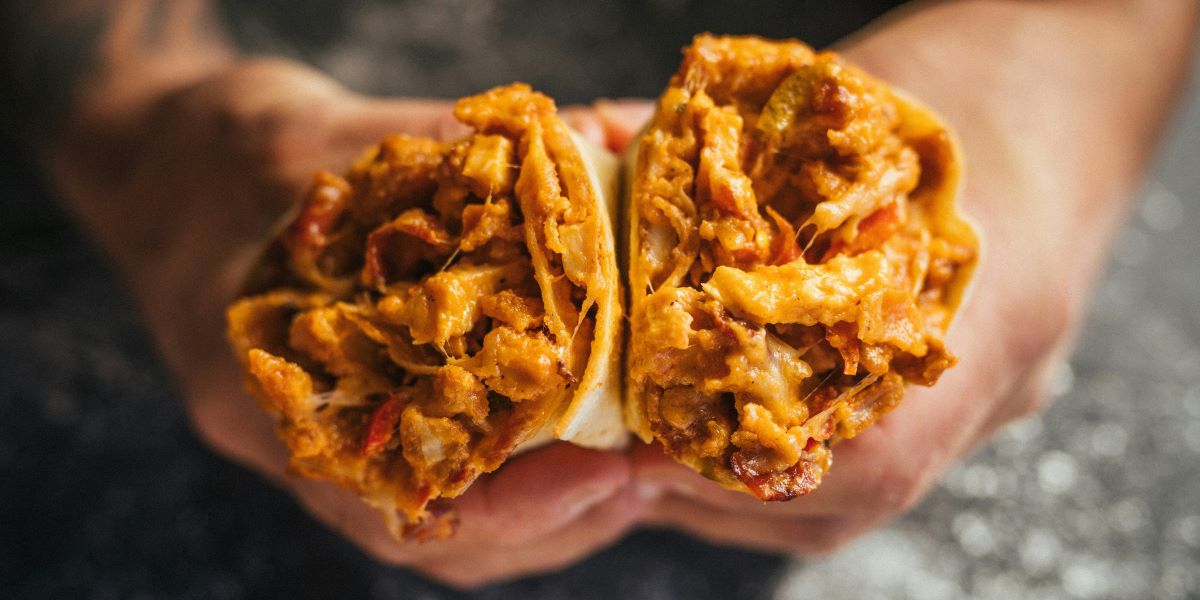
The U.S. Department of Agriculture’s Food Safety and Inspection Service issued a public health alert on June 25, 2026, for Fresh Seasons Kitchen Chicken Caesar Wrap products that may be contaminated with Listeria monocytogenes. The wraps reached Holiday convenience stores in Minnesota and Wisconsin, and the agency is urging consumers to discard any packages still in their refrigerators.
Key Takeaways
- The U.S. Department of Agriculture’s Food Safety and Inspection Service flagged 8.7-ounce Fresh Seasons Kitchen Chicken Caesar Wrap packages with a “Sell By: 6/24/2026” date over possible Listeria monocytogenes contamination.
- The wraps were produced June 16, 2026, by Taher Inc. in Plymouth, Minnesota, under establishment number P-45091, and shipped to Holiday convenience stores in two states.
- No confirmed illnesses have been tied to the product, and no formal recall was requested because the sell-by date has passed and the wraps are no longer sold.
- The alert was one of three Food Safety and Inspection Service actions issued the same day, alongside two separate undeclared-allergen actions involving chicken products.
What Products Are Covered by the USDA Alert?
The U.S. Department of Agriculture’s Food Safety and Inspection Service identified the affected item as 8.7-ounce clear plastic wrapped packages of Fresh Seasons Kitchen Chicken Caesar Wrap. Each carries a “Sell By: 6/24/2026” date printed on the back label above the ingredients, along with establishment number P-45091 inside the USDA mark of inspection. The wraps were produced on June 16, 2026, by Taher Inc. at its Plymouth, Minnesota facility, and distributed to Holiday convenience stores across Minnesota and Wisconsin.
The Food Safety and Inspection Service did not request a recall. Because the June 24 sell-by date has already passed, the product is no longer available for purchase at retail. The concern is narrower and more practical: some wraps may still sit in home refrigerators, and consumers who bought one are urged not to eat it. Affected packages should be thrown away or returned to the place of purchase.
How Was the Contamination Discovered?
The Food Safety and Inspection Service found the problem through routine product testing, when a sample of the Fresh Seasons Kitchen Chicken Caesar Wrap confirmed positive for Listeria monocytogenes. That detection method matters. Rather than surfacing after a cluster of illnesses, the contamination was caught through surveillance sampling before any confirmed cases emerged. As of the June 25 alert, no illnesses had been linked to the wraps. Consumers who believe they became sick after eating the product are advised to contact a health care provider.
Why Is Listeria a Refrigerator-Level Concern?
Listeria monocytogenes behaves differently from many foodborne pathogens because it can grow at refrigeration temperatures, which is why the Food Safety and Inspection Service framed its warning around home refrigerators rather than store shelves. The bacterium can also spread to other foods and surfaces it contacts, raising cross-contamination risk for anyone who stored the wrap alongside other items.
Consumption of food contaminated with Listeria monocytogenes can cause listeriosis, a serious infection. Symptoms may include fever, muscle aches, headache, stiff neck, nausea, vomiting, confusion, and loss of balance. The illness carries a long incubation window: symptoms can appear anywhere from one day to roughly 70 days after exposure. The risk falls hardest on pregnant people, adults 65 and older, newborns, and people with weakened immune systems. In pregnant consumers, an infection that produces only mild symptoms can still lead to miscarriage, stillbirth, or premature delivery.
How Does This Alert Fit the Broader Food Safety Cycle?
The Fresh Seasons Kitchen Chicken Caesar Wrap alert arrived as one of three Food Safety and Inspection Service actions announced June 25, 2026, an unusual volume for a single day. The other two centered on undeclared allergens rather than bacterial contamination. The table below outlines the three actions.
| Product | Company | Hazard | Distribution |
|---|---|---|---|
| Fresh Seasons Kitchen Chicken Caesar Wrap | Taher Inc. | Listeria monocytogenes | Holiday stores, MN and WI |
| Private Selection Honey Dijon Boneless Chicken Breasts | Est. P-45288B | Undeclared egg allergen | Kroger and Fred Meyer, multiple states |
| Molly’s Kitchen California Style Pasta Salad | Reser’s Fine Foods | Undeclared egg and milk (mislabeled) | Foodservice distributors, seven states |
The wrap alert also coincided with a separate, ongoing Listeria monocytogenes investigation tied to soft cheese produced by Clover Hill Dairy in Maryland, part of a wider stretch of summer food-safety activity.
Consumers who find a Fresh Seasons Kitchen Chicken Caesar Wrap dated June 24, 2026, in their refrigerator should discard it rather than eat it, the Food Safety and Inspection Service advises.
Frequently Asked Questions
Which Fresh Seasons Kitchen product is affected?
The alert covers 8.7-ounce Fresh Seasons Kitchen Chicken Caesar Wrap packages with a “Sell By: 6/24/2026” date and establishment number P-45091 on the label.
Where were the wraps sold?
The wraps were shipped to Holiday convenience stores in Minnesota and Wisconsin. They were not reported as distributed beyond those two states.
Why was no recall issued?
The Food Safety and Inspection Service did not request a recall because the June 24 sell-by date passed and the product is no longer available for purchase, though some may remain in home refrigerators.
Have people gotten sick?
No confirmed illnesses had been linked to the wraps as of the June 25 alert. Anyone who ate the product and feels ill should contact a health care provider.
What should a consumer do with an affected wrap?
Do not eat it. Throw it away or return it to the place of purchase, and clean any surfaces or containers it touched.
How long should someone watch for symptoms?
Listeria symptoms can appear from one day up to about 70 days after exposure, so high-risk individuals should monitor accordingly.
Disclaimer: This article is provided for informational and news reporting purposes only and does not constitute medical advice, diagnosis, or treatment. Information is based on public statements and notices issued by the U.S. Department of Agriculture’s Food Safety and Inspection Service as of the publication date and may be updated as additional details become available. Consumers who believe they may have consumed an affected product or are experiencing symptoms associated with listeriosis should seek guidance from a qualified healthcare professional. Readers should refer to official government sources for the latest food safety updates and product notices.