
The life sciences market across Europe has continued to grow as both government and private organizations have funded research, digital health, and manufacturing. As of 2023, Europe accounted for approximately 22 percent of global pharmaceutical sales, according to the European Federation of Pharmaceutical Industries and Associations’ The Pharmaceutical Industry in Figures report, underscoring the region’s significant role in global pharmaceutical production and its ongoing reliance on investment in vaccines, biologics, and emerging therapeutic platforms. However, while the market continues to grow, the sector faces a host of challenges, including regulatory transitions, workforce shortages, and operational burdens from rapid technological change.
In 2021 through 2023, industry reports indicate that many life sciences companies across Europe face challenges in acquiring specialized talent, with employers frequently ranking skills shortages among their most significant workforce concerns. A lack of experienced professionals in the field has caused delays in quality, regulatory, and technical operations. These shortages have also influenced how organizations structure their long-term strategies. Many have adopted structured models for capacity building, operational strengthening, and leadership planning to manage periods of rapid scale or transition.
This environment has heightened demand for non-threatening external advisory services focused on building clients’ resilience rather than addressing temporary staffing gaps. In 2022, analysts from the Organization for Economic Co-operation and Development emphasized that companies that invest in structured workforce planning and risk-based operational models are more likely to remain competitive during regulatory shifts. These findings have influenced how several consulting groups across Europe position their services to clients operating in highly regulated environments.
Within this landscape, SIRE Life Sciences has developed programs that combine consultancy with specialized staffing support. Under the direction of Jordy Stravers, the organization works with companies that aim to expand operations while adjusting to new regulatory expectations or technological investments. The firm’s work is shaped by trends that affect the broader European market, particularly the shift toward digital systems, the adoption of process automation, and the introduction of specialized roles across quality, supply chain, and compliance functions.
According to guidance published by the European Medicines Agency on medicine shortages and supply continuity, pharmaceutical and biotech firms are encouraged to adopt robust supply chain and operational resilience practices to help minimise disruptions and maintain continuous product availability in the European market. Stravers and his team support companies that aim to strengthen internal operations during transitional periods, whether driven by mergers, facility upgrades, or adjustments to manufacturing models. The organization’s consultants review processes, skills, and governance structures to determine whether teams can maintain continuity under variable conditions.
Capacity building remains a central part of these programs. Many European life science companies seek long-term staffing models that align with both regulatory compliance and ongoing innovation. Reports and strategy documents from the European Commission underscore that achieving the EU’s life sciences ambitions by 2030 will require substantial growth in skilled personnel across digital health, regulatory science, and related technical fields, as workforce development is recognised as a key component of the sector’s competitiveness and innovation. This projected demand has shaped the organization’s approach to functional support, where consultants collaborate with clients to identify skill gaps and develop structured plans for recruitment, training, and internal development.
In practice, this work includes combining traditional recruitment with advisory services tied to organizational design. Stravers’ team works with client leadership groups to evaluate which roles require specialized expertise and which can be supported through upskilling strategies. This approach aligns with broader industry recommendations suggesting that companies with mixed staffing models are more likely to maintain performance during regulatory transitions. It also allows clients to adjust their workforce structures without compromising compliance or operational timelines.
Another area of focus is transition management. Many European life science companies operate within regulatory frameworks that evolve frequently. The introduction of the Medical Device Regulation in 2017 and the In Vitro Diagnostic Regulation in 2017 created multi-year compliance programs that required adjustments to documentation, testing, and quality operations. These transitions influenced internal workloads, notably for regulatory and quality teams. Stravers’s company supports companies during these periods by providing temporary specialists or project consultants who can manage discrete workloads while the organization adjusts its long-term strategy.
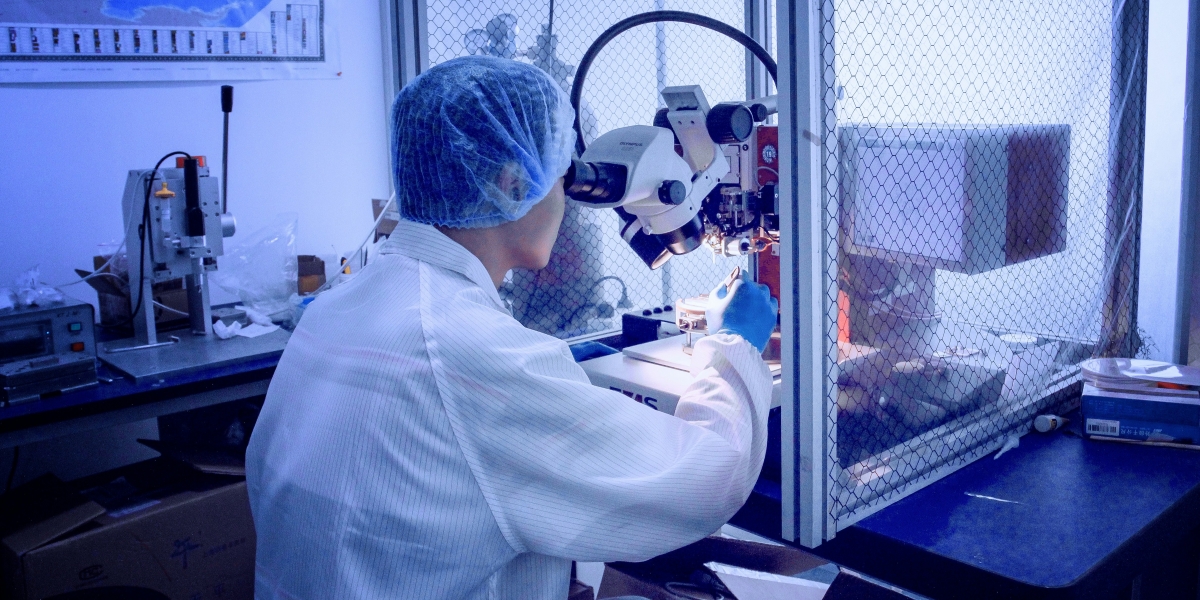
Technology adoption has also shaped how companies prepare for future growth. Digital tools such as laboratory information management systems, electronic quality management platforms, and advanced analytics have created new staffing needs. Reports from the Fraunhofer Institute for Production Technology (Laboratory 4.0 Trend Report) describe the increasing adoption of digitized and automated laboratory environments, outlining how modern life sciences production and research facilities are transforming toward networked systems and flexible automated workflows. These changes require not only new technical roles but also adjustments to internal governance and workflow structures. Stravers’s consultants assist clients in identifying what skills and processes are necessary for sustainable implementation rather than short-term deployment.
Workforce adaptability is one of the themes that emerges across the firm’s work. Many clients request staffing plans that include external specialists during peak workloads, combined with long-term internal development. Industry analysis from 2022 showed that blended workforce structures were increasingly used across sites in Germany, France, and the Netherlands, particularly in organizations that manage multi-site quality or supply chain operations. Stravers’s team supports these models by helping companies establish governance structures that maintain clarity and documentation while integrating diverse personnel.
Beyond workforce development, Sire Life Sciences guides operational strategy during periods of significant change. These programs include reviewing supply chain stability, evaluating quality system maturity, and assessing internal communication structures. Such reviews provide organizations with insight into whether their internal controls can support potential expansion or other changes arising from the introduction of new technologies. A 2020 study by the London School of Economics found that organizations with stable governance of their internal controls were more likely to sustain growth, even during regulatory transitions, reinforcing the value of these reviews.
By blending staffing expertise with strategic consulting, Sire Life Sciences aligns with a broader movement aimed at sustainable growth across the European life sciences industry. Its contributions are closely related to ongoing industry priorities across capacity building, operational strengthening, or long-term workforce planning, which continue to inform how companies approach regulatory transition and innovative technologies. Under Jordy Stravers, the firm is a key resource for industry initiatives aimed at maintaining resilience in one of Europe’s fastest-changing sectors.