By: Oscar Miller
When Mark Kaplan survived a heart attack at 52, the biggest surprise was not just that it happened. It was that, for years, he had done everything he thought a healthy person was supposed to do.
He exercised. He stayed fit. He paid attention to his body. From the outside, there was little reason for anyone to suspect that something serious was happening beneath the surface.
But that was exactly the problem.
Mark’s experience revealed a reality that many people never consider. Disease does not always announce itself. Sometimes it develops quietly while someone is busy building a career, raising a family, chasing goals, and doing everything they believe is right.
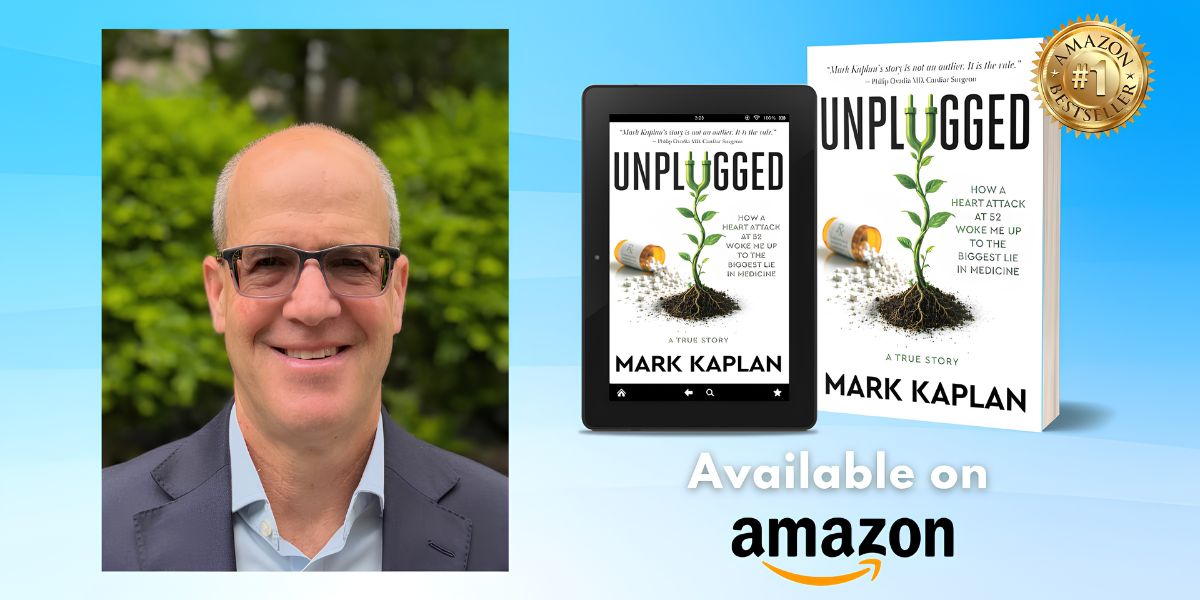
That realization became the driving force behind his book, Unplugged: How a Heart Attack at 52 Woke Me Up to the Biggest Lie in Medicine, and a larger conversation about what true health actually means.
Becoming the CEO of Your Own Health
One of the biggest lessons Mark took away from his experience was not that people should stop trusting doctors. His message is much more nuanced.
He believes doctors play an important role, but he also believes patients have to become active participants in their own health decisions.
For years, Mark followed the traditional approach. He trusted the numbers he was given and assumed the system was looking at the complete picture. What he eventually realized was that numbers alone do not always explain the full story.
His perspective changed when he started asking deeper questions.
Why is this happening?
What is causing this?
What information are we missing?
Mark compares personal health decisions to running a company. The individual is the CEO. Doctors are trusted advisors. Good advisors provide expertise, but the CEO still has to understand the business, review the information, and make informed decisions.
For Mark, that means asking better questions, requesting more information, and understanding what is actually happening inside the body.
Looking Beyond Symptoms and Searching for Causes
A major theme in Mark’s story is the difference between treating symptoms and understanding root causes.
He believes modern healthcare often focuses on managing visible problems without always investigating why those problems appeared in the first place.
To him, a single health marker can be like smoke coming from a building. Addressing the smoke may temporarily reduce the warning sign, but it does not necessarily identify or fix the fire creating it.
That distinction changed the way Mark viewed his own health.
He began looking beyond surface level indicators and started exploring the deeper factors that contributed to his condition, including inflammation, insulin resistance, and genetics.
The question was no longer just, “How do we manage this number?”
The question became, “Why did this happen?”
That shift in thinking became one of the most important parts of his recovery.
Genetics Are Information, Not Destiny
Perhaps the most meaningful part of Mark’s journey involves his family.
After discovering the genetic factors connected to his heart disease risk, Mark learned that his son carried some of the same markers. The difference was timing.
His son had access to information decades earlier than Mark did.
For Mark, that changed the entire conversation around genetics. He does not view genetic risk as a prediction of someone’s future. He sees it as valuable information that can influence better decisions.
Knowing your risks earlier creates options.
It gives people the ability to adjust their habits, monitor important markers, and make choices from a place of awareness instead of waiting for a crisis.
The lesson he hopes people understand is simple: a diagnosis does not have to be the first time someone learns about their health risks.
Sometimes prevention begins with curiosity.
Rebuilding Health Requires Ownership
After his heart attack, Mark’s recovery was not only physical. It was personal.
One of the moments that impacted him most came from his teenage daughter, who told him he was no longer the father she remembered. That moment forced him to confront what had changed and what he needed to do differently.
For Mark, healing required more than medical intervention.
It required ownership.
He focused on the daily decisions that shape long term health, including nutrition, sleep, stress management, movement, and ongoing testing.
Nobody else could do those things for him.
That became one of the biggest turning points in his story. Recovery was not about finding a quick solution. It was about rebuilding trust with his own body and creating habits that supported the life he wanted to continue living.
Today, Mark sees his transformation as proof that the body can respond when given the right environment.
But the process starts with commitment.
Redefining What Healthy Really Means
Mark believes society has created a narrow definition of health.
Many people associate being healthy with looking fit, staying active, or avoiding obvious symptoms. While those things matter, he believes they represent only part of the picture.
True health, in his view, is what is happening internally.
It is what your bloodwork reveals.
It is understanding your risks.
It is knowing the questions to ask before a crisis forces you to find the answers.
His story challenges the idea that success, productivity, and physical appearance automatically mean someone is healthy. Disease can exist quietly underneath even the strongest looking lives.
That is why Mark encourages people to look deeper.
Not from a place of fear, but from a place of responsibility.
The Real Message Behind Unplugged
At its heart, Unplugged is not only about Mark’s heart attack. It is about a mindset shift.
It is about moving from passive healthcare to active participation. It is about replacing assumptions with information. It is about understanding that the most important health conversations often happen before anything goes wrong.
Mark’s experience changed the way he views medicine, prevention, and personal responsibility.
The biggest lesson he carries forward is that people should stop relying only on what they can see.
A strong body does not always tell the whole story.
A normal looking life does not always mean everything is working properly.
Sometimes the most important step toward better health is simply being willing to ask one more question.
Mark Kaplan’s experience is a powerful reminder that looking healthy and being healthy are not always the same thing. Learn more about his journey, the questions that changed his life, and the insights behind Unplugged. Find the book on Amazon and discover why taking ownership of your health starts with better information.