
By: Alva Ree
Backstage as the Real Starting Point
Having attended New York Fashion Week this September, I experienced the season not as a spectator chasing highlights, but as someone observing how fashion operates from within. NYFW remains one of the most complex fashion platforms globally, where creativity, production, and cultural relevance intersect under intense pressure.
This season felt particularly focused. Rather than competing for attention, many designers appeared more interested in clarity of message, craftsmanship, and long-term identity.
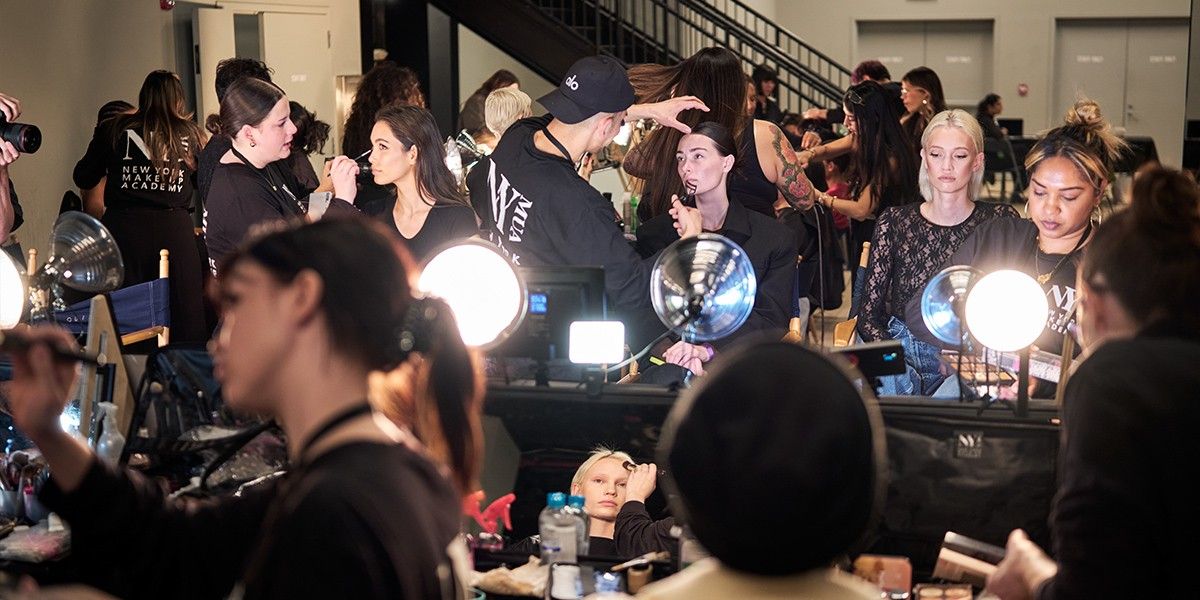
The most honest insight into Fashion Week always begins backstage.
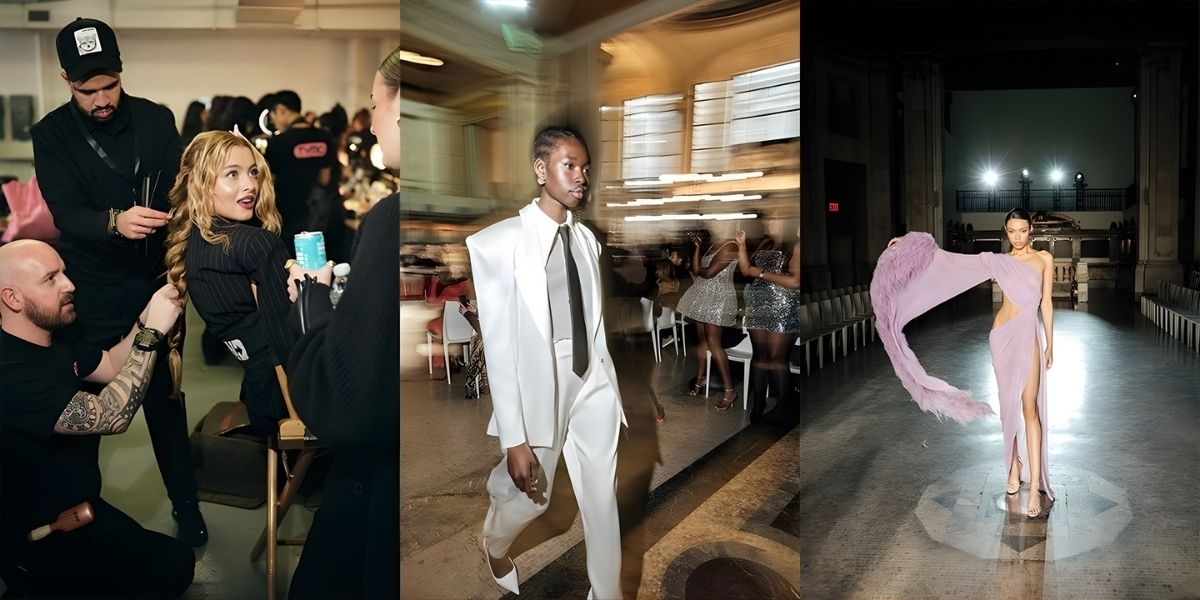
At Sloan, the environment was defined by discipline rather than chaos. Stylists moved with quiet precision, final fittings happened without drama, and each look felt considered. It was a reminder that intense runway moments are rarely spontaneous. They are the result of structure, repetition, and control.
Backstage with Padina Bondar revealed a different creative rhythm. Her process was deliberate and exact. Watching her refine silhouettes moments before the show highlighted how deeply rooted her work is in form, proportion, and emotional restraint. There was no excess movement, only concentration.
At BRONX & BANCO, the atmosphere shifted entirely. Known for high-glamour presentations, the backstage space reflected that intensity. Sequins, bold constructions, and elaborate gowns filled the room. Stylists worked quickly to maintain the brand’s dramatic identity while ensuring each look translated cleanly to the runway. Seeing the craftsmanship behind such visually striking designs added depth to their final impact.
These backstage moments framed the entire week. They showed fashion as a working system, not just a visual result.
Runways That Defined the Season
Across the schedule, designers presented collections rooted in identity and intention rather than spectacle alone.
Prabal Gurung delivered emotionally driven silhouettes, combining fluid draping with cultural references and a strong sense of narrative.
Bibhu Mohapatra focused on refined tailoring and quiet elegance, offering a restrained counterpoint to more dramatic presentations.
Sergio Hudson emphasized confidence and power through architectural suits and saturated jewel tones.
Victor dE Souza explored theatrical elegance through sharp lines and controlled sensuality.
Lost Pattern NYC highlighted craftsmanship through silk pieces that carried cultural storytelling within their prints and construction.
Alexis Bittar approached fashion as performance, turning accessories into sculptural elements rather than secondary details.
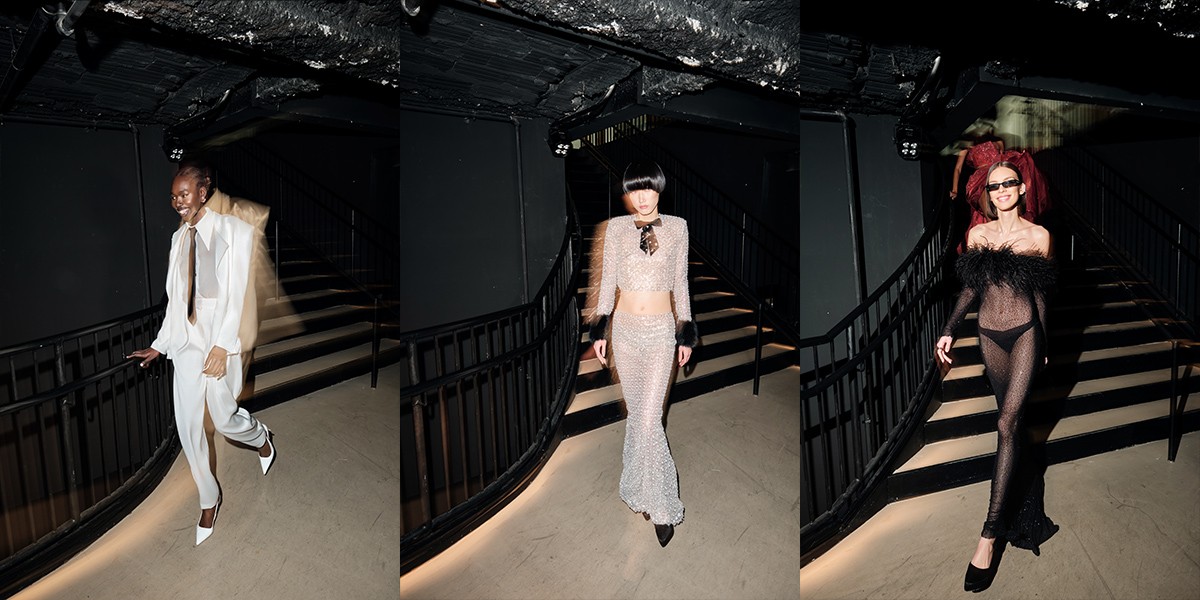
Fashion for Ukraine stood out as an emotionally resonant presentation of the season, centering resilience, identity, and creative strength.
Despite their differences, these shows shared a commitment to meaning and execution.
Fashion Week Beyond the Runway
NYFW today extends beyond the official show calendar. Presentations coexist with conversations, performances, and cross-disciplinary events that reflect how fashion now operates within a broader cultural framework.
Music, art, and social dialogue were present throughout the week, underscoring that fashion is no longer confined to its own industry. It responds to and often reflects larger conversations about identity, craft, and expression.
Observed Themes and Direction
Several themes emerged consistently throughout the season:
- A shift toward emotional clarity over excess
- Strong emphasis on craftsmanship and material quality
- Sculptural silhouettes balanced with wearability
- Runway presentations are treated as narrative experiences
- Collections grounded in personal or cultural identity
Rather than chasing novelty, designers focused on refining their voice.
Reflection
Experiencing NYFW this season reinforced that fashion is a process shaped by collaboration, discipline, and intent.
Moments spent backstage, watching designers finalize details or stylists preserve a collection’s integrity under pressure, offered deeper insight than any single runway look. The shows that resonated most were those rooted in clarity rather than spectacle.
This season of New York Fashion Week felt measured and confident. It suggested an industry less concerned with noise and more focused on substance.
Fashion Week remains a platform where ideas are tested, identities are refined, and creative direction becomes visible. This September, it did so with purpose.