The Harlem Renaissance marks one of the most important cultural shifts in American history. During the 1920s and early 1930s, Harlem transformed into a powerful meeting point for Black creativity, ideas, and ambition. Writers, musicians, artists, thinkers, and performers gathered in this North Harlem neighborhood and built something that reshaped how Black culture was seen across the country.
What makes this period remarkable isn’t just the quantity of art produced but the timing. Black Americans were asserting their voices publicly at a moment when segregation and social limits still shaped daily conditions. Harlem offered a rare space where people could speak freely about pride, struggle, beauty, anger, and hope using their own language and on their own terms.
This movement didn’t begin by accident. A mix of migration patterns, housing availability, publishing outlets, and social networks came together in Harlem to spark an unprecedented cultural surge. Understanding how each of these forces contributed helps explain why Harlem became the beating heart of Black culture during this era.
The Great Migration Sets the Stage
Between the mid 1910s and the early 1930s, millions of Black Americans left Southern states for northern cities. This movement is known as the Great Migration. Families sought better job opportunities, freedom from harsh racial violence, and access to better education for their children. Harlem became one of the most significant destinations on that northward path.
As new residents arrived, Harlem’s population density changed quickly. Streets filled with new businesses, clubs, churches, and social organizations. Barbershops doubled as conversation hubs. Cafes became meeting spots for writers. Small apartments turned into salons where poets read drafts and musicians tested new arrangements. Creative energy grew naturally from proximity.
Living and creating near each other made collaboration easier. Musicians played together almost nightly. Writers shared ideas face to face rather than by mail. Visual artists worked alongside activists. Harlem became different from other Black communities because everyone who arrived found others already chasing similar creative dreams.
Housing Creates Cultural Concentration
Harlem’s housing situation played a less obvious but crucial role. Just before the Great Migration gained speed, Harlem experienced a housing boom aimed at middle class white families. Demand fell short. Empty apartment buildings started accepting Black tenants as landlords scrambled to fill space.
This sudden shift gave Black families access to large numbers of apartments in one central location. Harlem quickly became the most concentrated Black urban neighborhood in the country. That closeness mattered because culture grows faster in clusters where people see one another consistently.
When talent concentrates, growth accelerates. Writers attended readings down the block instead of across town. Dancers trained near musicians. Visual artists met editors who lived only a few subway stops away. Harlem’s geography turned everyday interactions into creative momentum.
Literature Leads the Cultural Charge
Writers became the first nationally recognized voices of the Harlem Renaissance. Many felt a strong need to present Black stories from inside the community rather than through filters created by outsiders. Novels, poems, plays, and essays emerged that reflected everything from Southern folklore to urban survival.
Langston Hughes shaped poetry using rhythm inspired by blues and jazz music. His work focused on daily Black life rather than elite social portraits. Zora Neale Hurston documented stories passed down through oral traditions, preserving dialects and customs many believed were worth celebrating. Claude McKay combined lyrical poetry with sharp social criticism aimed directly at racism and inequality.
These writers found platforms through Black magazines like The Crisis and Opportunity. Editors used these publications to elevate voices that mainstream publishers ignored. National readers soon discovered Black authors writing authentically instead of playing decorative roles within white literary circles.
Jazz Turns Harlem into a Destination
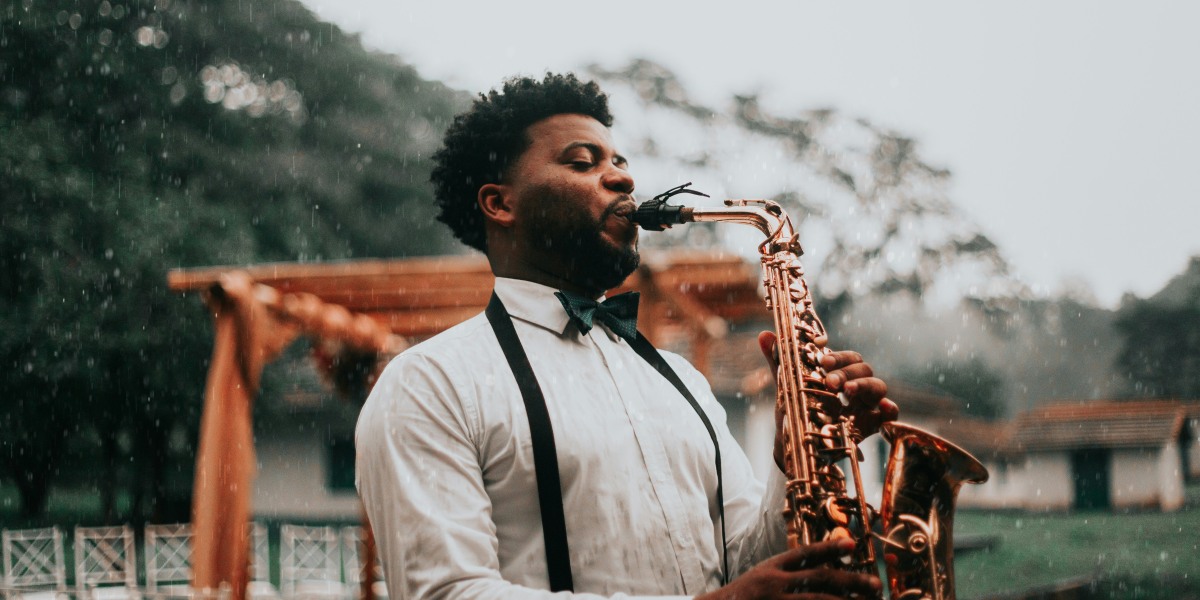
Music transformed Harlem from a neighborhood into a nationwide destination. Jazz thrived in clubs across the area, most famously at venues like the Savoy Ballroom and the Cotton Club. Big bands and small combos played nearly every night, drawing crowds eager for live sound built around improvisation and emotional intensity.
Jazz represented freedom within structure. Musicians followed melody patterns yet explored personal expression through solos. That balance mirrored the cultural tone of the Renaissance itself. Artists followed tradition while pushing creative boundaries.
Duke Ellington rose to national fame while leading the Cotton Club orchestra. Performances broadcast on radio beamed Harlem’s sounds across the country. Listeners everywhere began associating Black creativity with modern American music. Harlem’s music scene helped make jazz the defining sound of an era.
Visual Arts Shape Cultural Identity
Painters and illustrators contributed a visual identity to the Harlem Renaissance. Aaron Douglas became the most recognized figure in this space. His murals featured bold shapes inspired by African patterns and modern style, depicting Black history as a visual journey of struggle and triumph.
Artwork appeared on magazine covers, book jackets, and exhibition walls. Images showcased working class labor, spiritual themes, family bonds, and African heritage. These visuals countered stereotypes seen in commercial advertising and film and provided positive representation controlled by Black artists themselves.
Visual art offered something words alone could not. It captured pride instantly. Even a single mural conveyed cultural continuity linking past African civilizations to contemporary Harlem life. This visual storytelling gave the Renaissance broad appeal beyond literary audiences.
Clubs and Theater Drive Live Performance
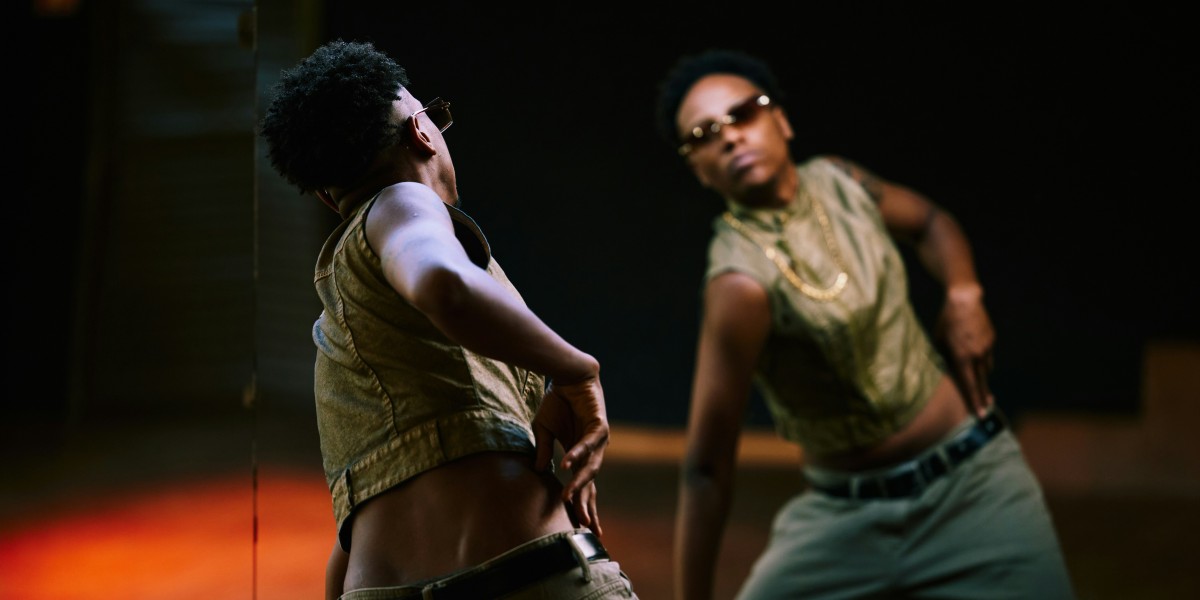
Harlem’s theaters and clubs gave performers direct access to audiences hungry for new expression. Dance companies staged regular productions. Theater groups produced original plays exploring Black family life and social challenges. Jazz clubs blended dance floors with musical innovation.
Unlike older minstrel performances that exploited caricatures, Harlem stages prioritized dignity and realism. Actors presented stories centered on Black perspectives rather than comedic tropes. Dancers blended African style movements with jazz rhythms to modernize choreography.
Live performance fueled cross discipline exchange. Writers attended performances for inspiration. Musicians experimented after watching dancers. Performers fed off feedback audiences gave in real time, adjusting routines nightly. Harlem’s entertainment ecosystem stayed fluid and constantly creative.
Intellectual Thought Strengthens the Movement
The Harlem Renaissance wasn’t only about entertainment. Intellectual leadership played a shaping role. Thinkers promoted the idea of a confident Black identity often referred to as the New Negro. This vision rejected submission and demanded public dignity.
Scholars debated political strategies, education policies, racial pride, and social empowerment. These discussions appeared in print and unfolded during lectures and gatherings held in homes and churches across Harlem.
By connecting art to analysis, intellectual leaders ensured the Renaissance carried social weight. Creativity gained purpose beyond beauty alone. Art became linked to civil rights and cultural self determination.
Tensions Within the Movement
The Renaissance wasn’t free of conflict. Funding sometimes came from wealthy patrons who carried personal expectations. Some artists felt pressure to avoid controversial subjects to maintain financial backing or publication opportunities.
Creatives also disagreed about artistic direction. Some favored polished language and classical forms aimed at elite audiences. Others argued that folk traditions and street rhythms better expressed lived experience. These debates shaped the creative output rather than weakening it.
Economic pressure remained constant. Despite fame, many writers and musicians struggled financially. Publishing royalties stayed low and record deals offered limited profits. Artistic success didn’t guarantee stability which strained careers long term.
How the Great Depression Slowed Momentum
The economic crash of 1929 weakened arts funding nationwide. Jazz clubs closed or raised prices. Publishing houses cut experimental projects. Many artists left Harlem seeking employment elsewhere.
Creative visibility declined but never vanished. Harlem remained culturally important even as the formal period faded. Artists shifted into teaching careers, government support programs, or community theater.
Although momentum slowed, decades of influence had already been set into American culture.
Why the Harlem Renaissance Still Matters
The Harlem Renaissance changed representation permanently. Black voices became part of the national cultural conversation rather than cultural footnotes. Jazz became recognized as America’s original musical contribution. Literature written by Black authors entered classrooms and libraries nationwide.
Future movements built directly on this foundation. Civil rights activism drew from the dignity and pride promoted during the Renaissance. The Black Arts Movement later echoed its goals. Modern hip hop artists, spoken word poets, filmmakers, and fashion creators continue drawing inspiration from Harlem’s creative explosion.
Harlem became the heart of Black culture during this period because it combined opportunity, community, access to media, and creative freedom into one powerful environment. That convergence turned artistic expression into cultural leadership.
More than a historic chapter, the Harlem Renaissance remains a blueprint. It shows how culture grows when voices gather, collaborate, and claim the power to define their own stories.