
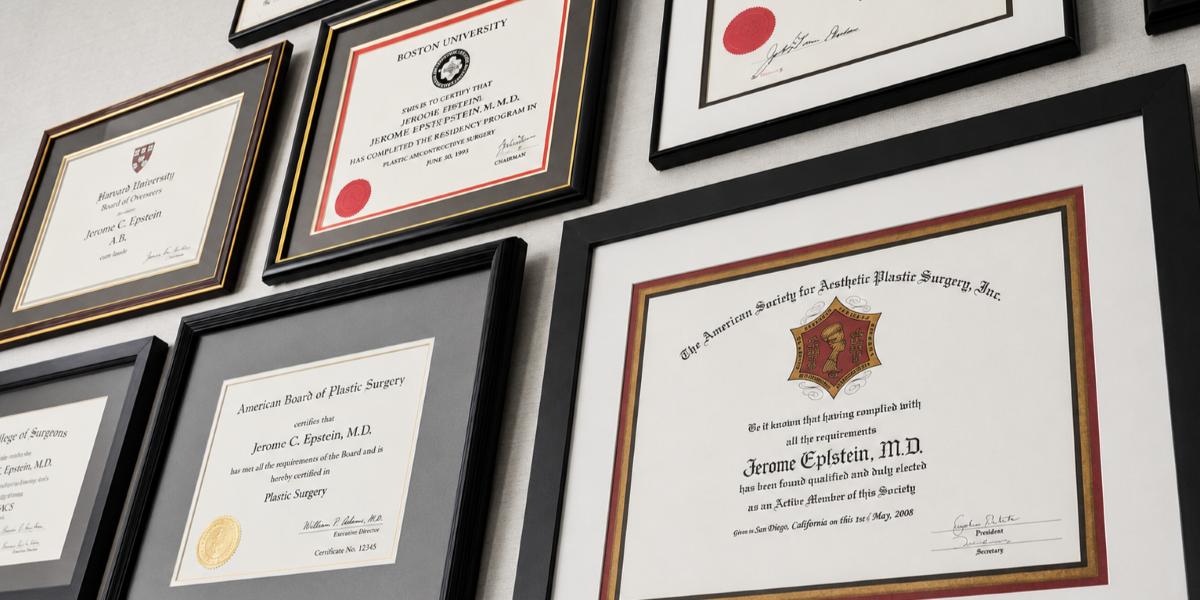
Cosmetic and reconstructive procedures have undergone a transformation over the years, with numerous other adaptations to the field of medicine since the introduction of new regulations, the patient’s right to choose and access information, and the growth of evidence-based medicine. In particular, the field has changed over the last 20 years from procedure-based models of operative success to models that focus on outcomes, risk management, and overall quality of life for patients.
According to the International Society of Aesthetic Plastic Surgery, in 2022, there were over 30 million surgical and non-surgical aesthetic procedures performed worldwide, indicating not only increased demand but also the need for stricter oversight of these services. There is an increasing expectation from consumers regarding quality and performance, which requires that aesthetic clinics be evaluated on more than just the number of procedures they perform; practitioners should also be examined for their research contributions, patient education and communication, and open and honest business practices.
Canada’s cosmetic surgery sector has followed similar patterns. National data from the Canadian Institute for Health Information has shown steady growth in elective surgical procedures since the early 2000s, particularly in urban medical centers. Toronto, as the country’s largest metropolitan area, has emerged as a hub for specialized cosmetic and reconstructive care. The city’s regulatory environment, teaching hospitals, and access to multidisciplinary expertise have contributed to the establishment of clinics that operate at the intersection of private practice and academic medicine. It is within this professional landscape that Edelstein Cosmetic Plastic Surgery was established and developed its clinical identity.
Edelstein Cosmetic Plastic Surgery was founded in 2006 in Toronto, Ontario, by Jerome Edelstein. Initially, the clinic was a private medical practice, focusing on both surgical and non-surgical aesthetic procedures. Its first mission statement demonstrated the wide-ranging priorities of plastic surgery within Canada at that time, for example, the safety of procedures, the ethical selection of patients, and the utilization of medical standards. Instead of classifying itself as a boutique-type aesthetic clinic, the clinic adopted a traditional type of medical practice model. It concentrated on formal consultations, documentation of outcomes, and ensuring continuity of care for surgical and non-surgical patients.
Through the years, Edelstein Cosmetic Plastic Surgery expanded the clinical areas of aesthetics, such as surgery performed on women’s breasts (breast augmentation), body contouring (abdominoplasty, liposuction), and facial aesthetic procedures (facelift). The surgical procedures offered included rhinoplasty, facelift procedures, and eyelid surgery. The non-surgical procedures were developed and supported by increasing clinical and scientific data on the procedures; these included injections of botulinum toxins, injections of dermal fillers, chemical peels, and laser treatments. The growth of the aesthetic industry led to more procedures available to patients and advances in medical care delivery systems.
The clinic’s development coincided with a broader shift toward evidence-based medicine within plastic surgery. By the late 2000s and early 2010s, peer-reviewed research increasingly influenced the evaluation and refinement of aesthetic and reconstructive procedures. Edelstein Cosmetic Plastic Surgery aligned its clinical protocols with published safety guidelines and emerging outcome data, particularly in areas such as breast surgery and body contouring. This approach mirrored trends seen across Canadian surgical practices, where professional accountability and data-driven care became central to institutional credibility.
The location of Edelstein Cosmetic Plastic Surgery also afforded it opportunities to connect with academic research networks and teaching hospitals in Toronto. Many surgeons and researchers associated with the academic community appear to be advancing knowledge through publication in peer-reviewed literature, particularly in the fields of aesthetic and reconstructive surgery. The affiliations that the clinic had with these communities resulted in an emphasis by the clinic on established surgical techniques and ongoing professional education. From the mid-2010s onward, the application of evidence-based practice in reputable cosmetic surgery was quickly becoming an anticipated rather than an unwelcome addition.
Edelstein Cosmetic Plastic Surgery has built its reputation through clinical continuity and by following the standard procedures of care. Cosmetic Surgery clinics in Canada operate under provincial regulation, which limits their advertising claims and requires them to be truthful in the way that they advertise their services to the public. As such, the way that they develop their professional reputation is primarily through their peers’ recognition of them, patient outcomes, and the stability of their practice over time. Edelstein Cosmetic Plastic Surgery has been in business since 2006, and it has been able to maintain its business longevity with a small number of private cosmetic surgery clinics in Toronto.
From an International perspective, Canada has a very good reputation for providing Plastic Surgery practices with strong regulatory oversight as well as an extensive surgical training process. ISAPS research has consistently shown that countries with stricter medical regulations have lower complication rates for elective cosmetic surgery procedures than those without such regulations. Clinics practicing under these regulations are expected to closely follow the established safety standards and guidelines for care and practice outlined in the published literature. The development of Edelstein Cosmetic Plastic Surgery illustrates that the Clinic operates within a regulated and research-informed environment, rather than a purely commercial environment.
In the early 2020s, Edelstein Cosmetic Plastic Surgery was a well-established private medical center offering a variety of cosmetic/aesthetic procedures. In the last 19 years, since Jerome Edelstein opened his first practice in 2006, many changes have occurred in the way plastic surgery is viewed through new regulations, evidence-based medicine, patient education, etc. Despite operating in an ever-expanding, competitive aesthetic medicine environment, Edelstein Cosmetic Plastic Surgery has continued to develop and apply the established practice standards used today in Canada and other developed countries worldwide
Disclaimer: The content of this article is for informational purposes only and does not constitute medical advice. Readers should consult a qualified healthcare professional for guidance regarding any medical procedures. Edelstein Cosmetic Plastic Surgery and its services are presented based on publicly available information and professional practices; individual results may vary.