The story of the resort community founded in 1935, home to the famous NaNa dune and a legacy of freedom, community, and preservation that every visitor should know.
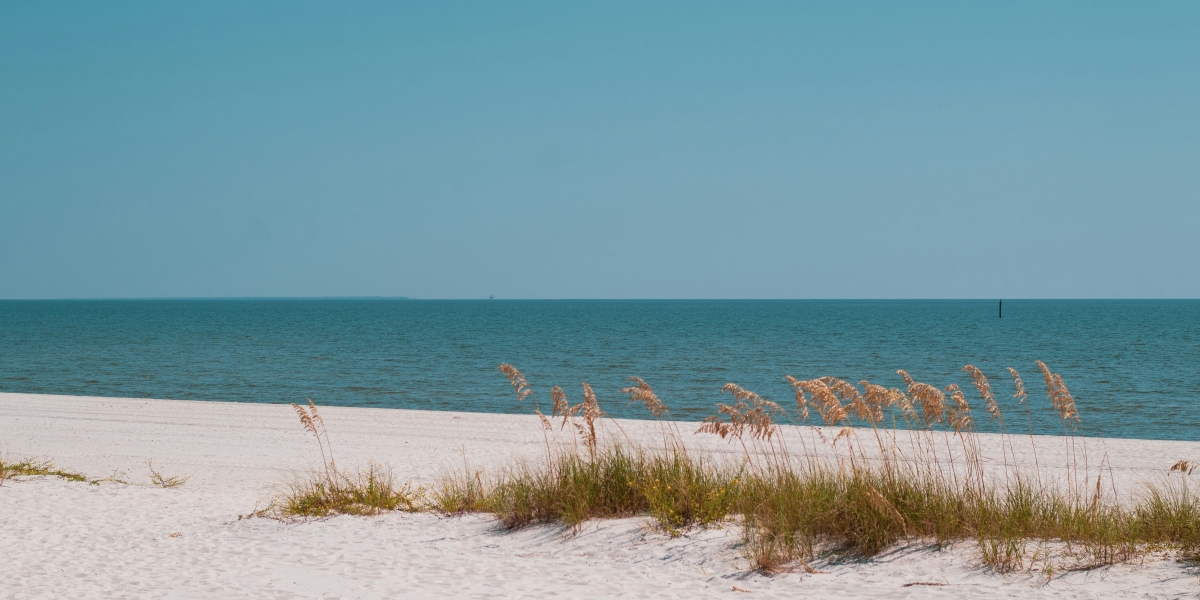
Not every beach on Amelia Island tells the same story. American Beach, tucked along the southern stretch of the island, carries a history that makes it one of the most significant and least-known historic sites in Florida, and one of the most meaningful places to visit in the Fernandina Beach area.
The History You Should Know
American Beach was founded in 1935 by A.L. Lewis, Florida’s first Black millionaire and founder of the Afro-American Life Insurance Company. During the era of segregation, Florida’s beaches were largely inaccessible to Black Americans, who were excluded from white-owned resorts and public beaches. Lewis purchased land on Amelia Island and developed American Beach as a place where Black families could vacation, own property, and enjoy the ocean freely.
Through the 1940s and 1950s, American Beach became a thriving resort community. Hotels, clubs, restaurants, and private cottages lined the beachfront. Prominent figures in African-American culture and society, musicians, civil rights leaders, entertainers, came to American Beach during a time when few other coastal destinations were open to them. The community called it ‘the playground for the rich and well-to-do,’ and for decades it was exactly that.
The NaNa Dune
The most physically distinctive feature of American Beach is NaNa, a massive sand dune that rises approximately 65 feet above sea level, one of the tallest dunes on the Atlantic coast south of Cape Hatteras. NaNa is named for MaVynee Betsch, great-great-granddaughter of A.L. Lewis and one of the most passionate advocates for American Beach’s preservation. Betsch, known as the ‘Beach Lady,’ spent decades fighting to protect American Beach from development and to preserve its legacy. She lived and worked on the beach until her death in 2005, and NaNa stands as both a natural landmark and a tribute to her life’s work.
The dune is visible from the road and easily accessible on foot. Climbing is not permitted, it’s protected as an important ecological and cultural site, but walking around the base and taking in the scale of it is part of any proper visit.
Visiting American Beach Today
American Beach is free to visit and open year-round. The beach access point is along Gregg Road, off First Coast Highway (A1A) on the southern end of Amelia Island. It’s a quieter, more contemplative experience than Main Beach or Peters Point, there are no facilities, no vendors, and limited parking, which is part of what makes it the right setting for the kind of visit it deserves.
The American Beach Museum, located on Gregg Road, tells the full story of the community’s founding, its cultural peak, and its preservation. Operating hours are limited; call ahead before making it the anchor of your day.
Why It Matters
American Beach isn’t just a history lesson. It’s a reminder that Amelia Island’s story is layered and complex, shaped by many communities whose contributions don’t always make it into the standard tourism narrative. A visit here, even a short one, changes how you see the rest of the island. Pair it with the Amelia Island Museum of History in Historic Downtown Fernandina Beach for the full context of why this small island has accumulated so much history.
Getting There
American Beach is about 15 minutes south of downtown Fernandina Beach via First Coast Highway. Limited street parking is available along Gregg Road. Historic Downtown and Main Beach are both an easy drive north for the rest of your day.
thingstodoinfernandinabeach.com • Amelia Island, Florida