
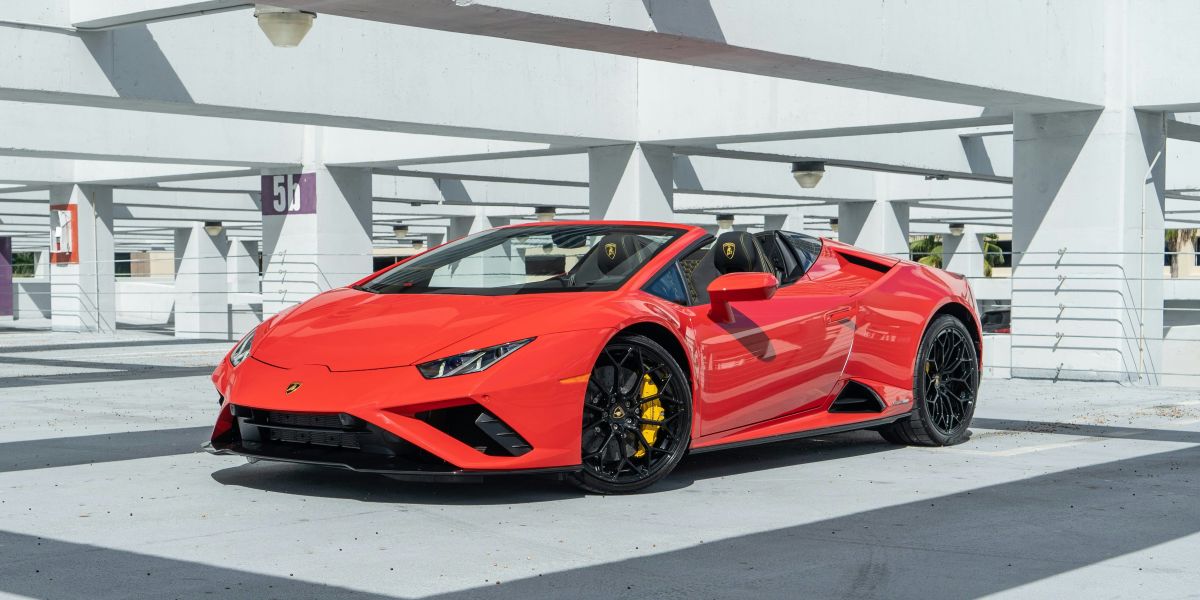
Exotic cars are often admired for their performance, design, and engineering precision. Vehicles produced by manufacturers such as Ferrari, Lamborghini, Porsche, Maserati, Bentley, and Aston Martin are not simply modes of transportation. They are complex machines built with exacting standards, and they include multiple systems that are carefully integrated. Because of this, routine maintenance and repairs may require a different approach than would typically be taken when servicing a standard passenger vehicle. One of the most important considerations is the use of genuine parts that are designed specifically for these vehicles.
Understanding why genuine parts matter, what components may need to be replaced during service, and how certified mechanics can contribute to the proper care of exotic vehicles can help owners appreciate what goes into maintaining their cars at the highest possible level of performance.
What Makes Exotic Cars Different
Exotic cars are engineered with performance and precision. Their engines, transmissions, suspension systems, and electronic components are designed to work within very narrow tolerances. Materials such as carbon fiber, lightweight alloys, and advanced composites are frequently used to reduce weight while maintaining strength.
Unlike mass-produced vehicles, many exotic cars are manufactured in limited numbers. This means replacement parts are often designed for specific models and production runs. Even small deviations in design or the materials used during the manufacturing process can affect how a component will interact with the rest of the vehicle. Genuine parts are created to match these specifications closely, while non-original parts may rely on approximations.
Types of Parts Commonly Replaced During Exotic Car Maintenance
Regular maintenance for exotic cars includes many of the same categories of service as other vehicles, but the parts involved are often more specialized. These parts may include:
Engine and Drivetrain Components
High-performance engines operate under extreme conditions. Parts that may require replacement over time include filters, belts, seals, gaskets, and certain internal components. Transmissions and drivetrains may also require specialized fluids, clutches, or differential parts that are engineered for high torque and speed.
Braking System Parts
Exotic cars often use advanced braking systems that are designed for high-speed performance while providing rapid stopping power. These may include carbon-ceramic brake rotors, performance brake pads, and specialized calipers. Braking components manufactured by the makers of exotic cars are designed to handle intense heat and stress while maintaining consistent performance.
Suspension and Steering Components
Suspension systems in exotic cars are finely tuned to balance comfort, handling, and stability. Shocks, struts, control arms, bushings, and steering components must all be calibrated to work together. Replacing these parts with non-original alternatives can potentially alter the handling of a vehicle.
Electrical and Electronic Systems
Modern exotic cars rely heavily on electronics. Sensors, control modules, wiring, and software-controlled components are essential to ensure that engines, safety systems, and driver assistance features can function correctly. Genuine parts are designed to integrate seamlessly with a vehicle’s onboard systems.
Body and Interior Components
Body panels, aerodynamic elements, lighting assemblies, and interior trim pieces are often made from specialized materials. Proper fit and finish are important not only for appearance but also for aerodynamics and safety. Interior components may also include advanced climate controls and infotainment systems that will need to meet standards for compatibility.
Risks Associated With Aftermarket or Generic Parts
Using aftermarket or generic parts in an exotic car can introduce several potential risks. While some non-original parts may appear similar to genuine parts, they are not always manufactured to the same standards or specifications. Issues that could occur when using non-genuine parts may include:
Reduced Performance and Reliability
Aftermarket parts may not match the original design tolerances of genuine components. Even small differences can affect the performance of an engine, the efficiency of brakes, or the handling of a vehicle. Over time, this can lead to increased wear on surrounding parts while reducing the overall reliability of a vehicle.
Compatibility Issues
Exotic cars often rely on integrated systems in which mechanical and electronic components need to be able to communicate with each other. A part that is not designed specifically for a vehicle may cause error codes, system malfunctions, or other issues that could affect the car’s operation.
Safety Concerns
In exotic cars, safety systems such as brakes, airbags, and stability controls are engineered as complete systems. Using non-original parts can compromise how these systems function in critical situations, potentially increasing safety risks.
Impact on Vehicle Value
Exotic cars may be long-term investments. Maintenance records showing the use of genuine parts may help preserve a vehicle’s resale value. The use of generic or aftermarket components could raise concerns for future buyers about the quality of care the vehicle received.
The Role of Certified Mechanics in Exotic Car Service
Servicing an exotic car involves more than replacing parts. It requires specialized knowledge, training, and equipment. Mechanics who are certified to service brands such as Ferrari, Lamborghini, Porsche, Maserati, Bentley, or Aston Martin have typically undergone manufacturer-specific training. They can provide advantages such as:
Manufacturer-Specific Knowledge
Certified mechanics will be familiar with the unique engineering principles and service requirements of each brand. They understand how systems are designed to work together and how to perform maintenance without disrupting that balance.
Access to Proper Tools and Equipment
Exotic cars often require specialized diagnostic tools and service equipment. Certified service providers are more likely to have access to these resources, which helps ensure that they can perform accurate diagnostics and precise repairs.
Correct Installation and Calibration
Parts must be installed correctly to maximize the likelihood that they will function as intended. Certified mechanics will follow manufacturer-recommended procedures, torque specifications, and calibration processes. This can help ensure that replaced components will perform as designed.
Staying Current With Updates
Manufacturers frequently release technical updates, service bulletins, and software revisions. Certified professionals will stay informed about these changes, which can help ensure that maintenance and repairs will be performed correctly.
Ensuring Long-Term Performance and Function in an Exotic Vehicle
Exotic cars are built to deliver an unparalleled driving experience that combines power, control, and refinement. Maintaining that experience will require attention to detail and respect for the original engineering. Using genuine parts can help preserve the integrity of the vehicle’s systems, and certified mechanics will work to ensure that maintenance is performed correctly.
While aftermarket options might sometimes seem to be more convenient or less expensive, they can have a negative impact on a vehicle’s performance, safety, and reliability. For owners who value the design and capability of their exotic cars, choosing genuine parts and qualified service professionals could help ensure that they will be able to keep their vehicles operating according to the highest possible standards.