
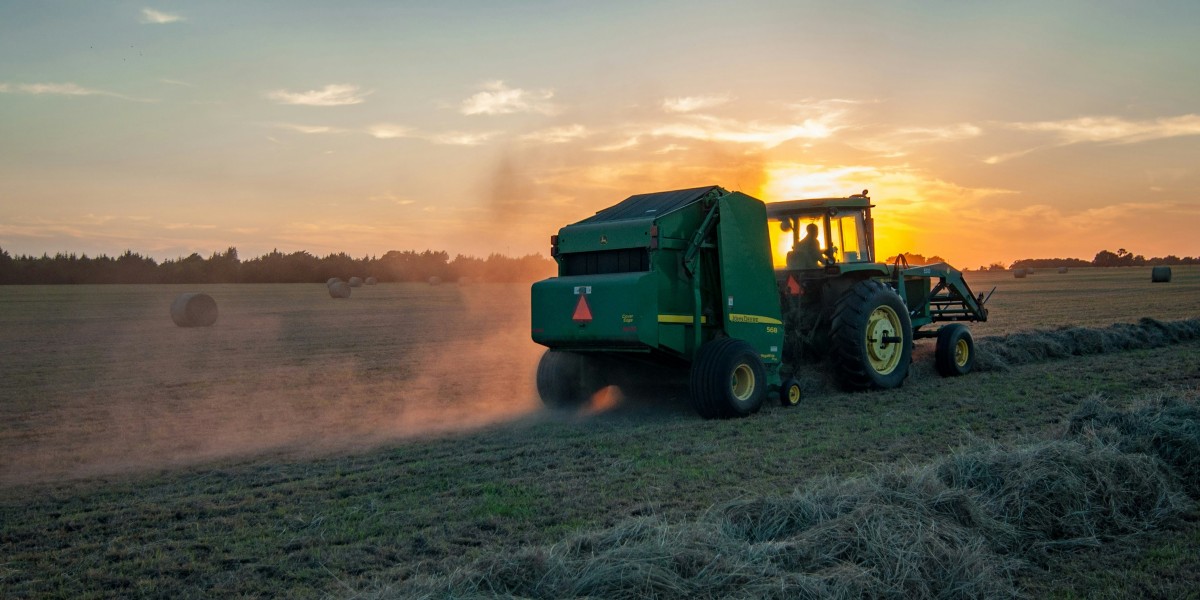
The White House has rolled out a $12 billion farm aid package meant to soften the financial strain hitting US farmers after trade tensions and shifting export demand cut deeply into crop sales. For families who depend on soybeans, corn, wheat, cotton, or specialty crop harvests, this plan represents short-term breathing room rather than a sweeping fix. The money is designed to stabilize farm income, reduce pressure to sell land or equipment, and keep the 2026 planting season viable.
This support comes at a time when agriculture faces tight margins on every side. Seed, fuel, fertilizer, and equipment prices remain high. Export contracts remain unpredictable. Crop prices haven’t kept pace with costs. The aid package is positioned as a bridge payment that aims to reduce the shock while markets figure themselves out.
To understand what this means for everyday Americans not directly tied to farming, it helps to zoom out. Agriculture feeds entire supply chains. When farm stability wobbles, grocery prices can spike, rural employment shifts, and food processors feel pressure. The purpose of the aid is to limit those ripple effects before they reach dinner tables nationwide.
What Triggered the Aid Package
Trade policies reshaped export patterns for several major crops. When tariffs or trade restrictions alter who buys American grain, orders slow or shift to other producers overseas. Even brief disruptions can throw planting forecasts off track. A soybean farmer in Iowa can lose a season’s worth of export sales long before there’s time to pivot toward new domestic buyers.
Commodity markets respond quickly, but farmers don’t. Fields can’t be repurposed overnight. Machinery leases still need payment. Loan schedules don’t pause when international demand dips. Cash flow problems grow fast, even while silos still hold inventory that hasn’t moved.
That’s where government aid enters as a stabilizer rather than a profit engine. The payments are intended to help cover operating gaps while trade negotiations and market shifts take time to normalize. The package acknowledges that pain exists before full damage becomes irreversible.
Who the Money Is Set to Reach
The largest portion of funding targets row crop producers who grow staples like corn, soybeans, wheat, rice, cotton, and potatoes. These crops depend heavily on export buyers and feel tariff shocks first. Their producers often operate on large acreage with thin margins, making quick income drops especially dangerous.
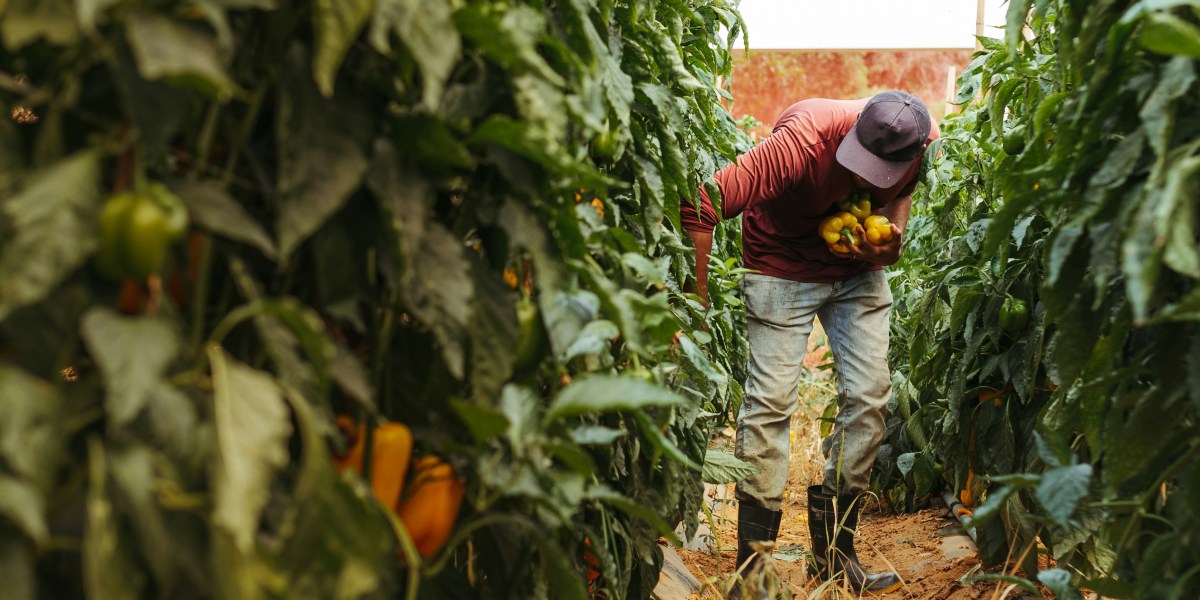
A smaller but meaningful portion of the package goes to specialty crop growers. This group includes fruit and vegetable farmers who supply grocery stores, food service brands, and local markets. Though smaller in scale, these growers often face the highest production costs and the most fragile labor pipelines. A slow sales season can push them toward closure faster than larger operations.
Aid distribution will use established USDA channels for speed. Farmers already enrolled in federal programs can receive payments without building new applications from scratch. This structure helps move money faster, but can also favor farms already familiar with government processes.
How Bridge Payments Work
A bridge payment acts like income replacement rather than a grant tied to new production goals. Farmers aren’t being asked to expand acreage or alter growing practices in exchange for the funds. The money aims to replace part of the lost revenue.
Think of it as agricultural shock absorption. If a farmer calculates expected income based on historical exports and suddenly loses a chunk of buyers due to tariffs, the aid payment partially fills that hole. It doesn’t promise profit. It helps keep farms solvent.
Payments typically vary based on acreage, crop yields, and previous enrollment records. This means two neighboring farms growing the same crop may receive different support amounts if their acreage or reporting history differs. It’s not a perfect system, but it remains faster than developing a custom relief case by case.
Why This Doesn’t Solve Long Term Problems
Aid can’t rebuild trade relationships or create new buyers overseas. It can’t lower fertilizer pricing or fuel costs. And it can’t reverse inflation pressures squeezing farm equipment suppliers. The money simply buys time.
Market sustainability depends on consistent buyers and predictable contracts. Until those return, farmers run a continued risk even with support checks in hand. Younger farmers and renters face particular vulnerability because they lack deep equity to buffer through down years. A single bad season still threatens to force exits from agriculture entirely.
Specialty crop growers say the one billion dollar allocation may stretch thin if enrollment grows faster than predicted. These farms often rely less on federal programs, so they’ve historically received fewer aid payouts relative to operating costs. That imbalance remains unresolved.
National Impact Beyond the Farm Belt
Farm stability matters to urban households as much as rural ones. Food prices depend heavily on predictable crop production. If enough farms scale back planting or face bankruptcy, commodity supply tightens. That pressure moves to processors, then to supermarkets, and finally to shoppers.
The aid package lowers the odds of sudden shortages or major price jumps in staple foods. Corn contributes to livestock feed, which affects meat pricing. Wheat influences bread costs. Soy touches everything from cooking oil to animal nutrition.
Beyond food, rural communities lean heavily on farm economics. Equipment dealerships, seed companies, freight operations, and grain storage facilities rely on steady harvests. When farms stall financially, these satellite jobs wobble too.
Political and Budget Context
Funding comes from existing tariff revenues rather than new taxes. That detail helps explain how the aid bypasses lengthy budget negotiations. Tariff collections created a funding pool already designated to offset trade impacts, allowing rapid deployment.
While some lawmakers argue that aid payments indirectly encourage prolonged trade disputes, others say stabilization keeps family farms alive until negotiations settle. That debate continues, but the package itself reflects bipartisan acknowledgement that farming communities remain economically fragile.
Public support traditionally rises when rural livelihoods appear under threat. Agriculture often occupies a rare zone of political consensus where relief garners broader approval than many other spending programs.
What Farmers Are Doing Right Now
Most growers aren’t waiting to make decisions based on the aid. Planting schedules and equipment purchases are locked months in advance. The support money primarily reduces financial stress rather than prompting operational changes.
Some farmers plan to use funds to renegotiate short-term loans or postpone selling property parcels. Others will stock fertilizer supplies early or service equipment before the next planting. Very little of the money is likely to be reinvested in expansion, as risk remains too uncertain.
Specialty crop producers often plan to apply the funds toward seasonal labor wages or packing facility expenses. For them, keeping employees retained through the winter months prevents skill drain that can cripple harvest readiness.
How This Shapes the Broader Food Economy
Processors watching farm program payouts also feel steadier. Reliable planting acreage improves the ability to plan production volumes for flour mills, meat feed blending plants, and cooking oil refineries. That stability keeps pricing contracts predictable across the food chain.
Restaurant groups and grocery distributors indirectly benefit too. Price shock avoidance remains more important than short-term discounts. Steady costs simplify long-range contract negotiations and menu pricing decisions.
Consumers see the least dramatic change, which is the point. Aid isn’t meant to generate noticeable shifts at checkout counters. It’s meant to prevent sudden spikes or supply disruptions from catching households off guard.
What Remains Uncertain
Trade stability remains unresolved. Farmers won’t know whether the next planting season will regain lost export territory until international purchase commitments return consistently. Aid buys a season or two of stability, not certainty.
Commodity prices remain exposed to weather volatility layered on top of trade unpredictability. A drought, flood, or extended storm cycle could magnify financial stress despite relief funding.
Input costs also remain stubborn. Equipment financing rates remain elevated, and fertilizer pricing still faces global supply pressure. Those factors mean margins may remain thin even if sales normalize.
Why This Moment Matters
This $12 billion support plan acts as a pressure release valve across American agriculture. It doesn’t promise a transformed system or sweeping fix. It offers practical stability as farmers confront conditions beyond individual control.
For consumers, it functions quietly in the background, protecting food supply consistency without fanfare. For rural economies, it helps stabilize employment and preserve land ownership in family hands. For policymakers, it shows how trade decisions ripple long after policy headlines fade.
The aid package buys time. Whether that time leads to durable recovery depends on export rebuilding, cost moderation, and farm generational renewal that money alone can’t guarantee.