
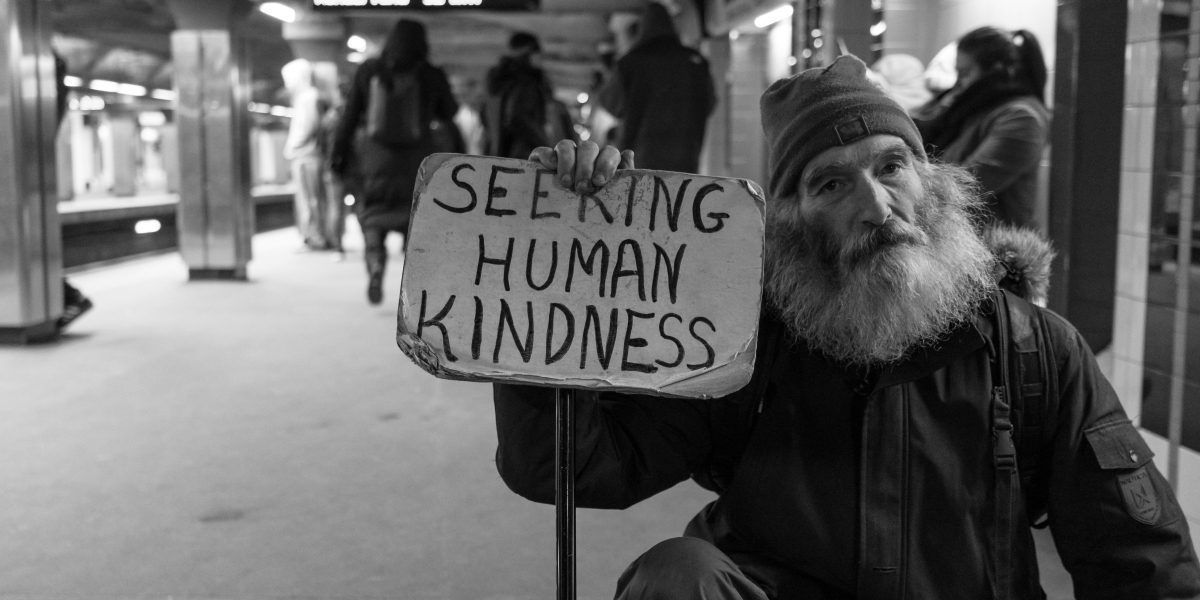
WASHINGTON — The U.S. Department of Health and Human Services (HHS) announced on Monday a new $100 million pilot program aimed at addressing the interconnected crises of homelessness, substance abuse, and mental health across eight American cities, marking one of the most significant federal efforts in years to overhaul how these challenges are met at community levels.
Unveiled at the Substance Abuse and Mental Health Services Administration’s (SAMHSA) annual “Prevention Day” event, the initiative — dubbed STREETS (Safety Through Recovery, Engagement and Evidence-Based Treatment and Supports) — seeks to build comprehensive local systems that guide individuals from crisis to stability through integrated housing, employment, and treatment solutions.
A Coordinated Federal Response
“This program reflects our commitment to transforming fragmented care into a cohesive path to recovery for Americans who have too often fallen through the cracks,” said HHS Secretary Robert F. Kennedy Jr. at the event. “By investing in evidence-based supports and cross-sector partnerships, we are helping individuals reclaim their lives and become productive members of their communities.”
The STREETS program builds on the recently signed Great American Recovery Initiative, an executive order by President Donald Trump aimed at better coordinating federal addiction and recovery resources across government agencies.
Under the new framework, HHS will also broaden eligibility for federal grants to include faith-based organizations and give states more flexibility in using federal health funds for substance abuse treatment involving children. Officials said these changes are designed to expand the network of support available to struggling communities.
Implementation and Critic Concerns
Despite broad support for the goal of integrated care, experts caution that the success of such programs hinges on execution. Regina LaBelle, director of the Center on Addiction and Public Policy at Georgetown Law’s O’Neill Institute, noted that the details matter. “The devil’s in the details,” LaBelle said. “What cities are selected, how funds are managed, and how well programs coordinate at the local level will determine whether this translates into real progress or simply a new layer of federal bureaucracy.”
Critics also point to recent turbulence within SAMHSA itself: over the past year, the agency has seen a third of its workforce laid off, and a $2 billion grant funding cut was abruptly reversed, creating uncertainty among providers and advocacy groups nationwide.
An HHS spokesperson, Andrew Nixon, defended the move, saying the department is “focused on reform and ensuring that federal resources are used effectively, responsibly, and in ways that deliver real results for those struggling and their families.”
A Broader Federal Strategy
The STREETS initiative represents a shift in how federal agencies approach homelessness and addiction — from piecemeal efforts to coordinated, evidence-based strategies. Federal data shows that overdose deaths began to decline through much of last year, suggesting momentum against the nation’s long-standing substance abuse crisis, though the rate of decline has slowed.
“Addiction is a disease that touches families in every community,” the White House’s fact sheet on the Great American Recovery Initiative states, emphasizing the need for coordinated prevention and treatment efforts.
As the STREETS program rolls out, all eyes will be on the cities selected and how well federal intent translates into measurable reductions in homelessness and addiction — outcomes that advocates and policymakers alike say are long overdue.