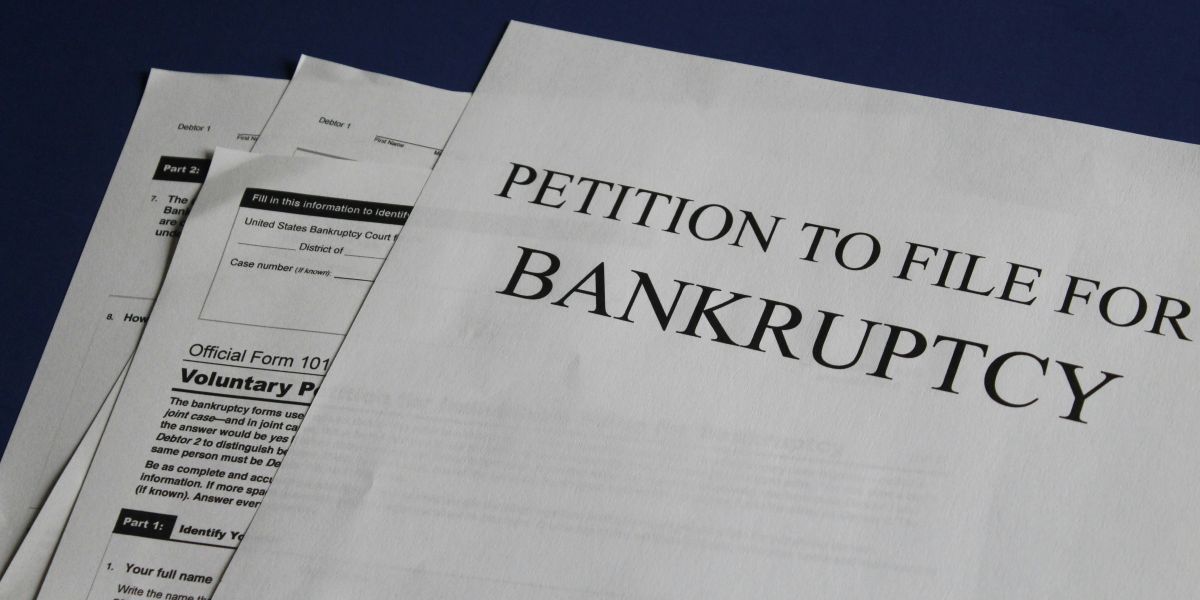
Falling behind on mortgage payments can feel like watching the ground give way beneath your feet. As letters arrive and deadlines pass, the threat of foreclosure becomes less abstract and more immediate. For many homeowners, the question is not just how they got there, but whether there is still time to stop what feels inevitable. Bankruptcy is often one of the options that homeowners consider at this stage.
Filing for bankruptcy during foreclosure can, in some cases, pause the process and give a homeowner time to regroup. That does not mean it is a simple fix or the right choice in every situation. Bankruptcy comes with long-term financial consequences, and the outcome depends heavily on the type of bankruptcy filed and the homeowner’s ability to meet certain requirements moving forward.
Bankruptcy Options for Homeowners
Homeowners generally look at two forms of consumer bankruptcy known as Chapter 7 and Chapter 13. Each serves a different purpose and can lead to very different outcomes when a home is involved.
Chapter 7 is often described as a liquidation bankruptcy. It can discharge many unsecured debts, such as credit cards or medical bills. However, it does not provide a long-term solution for keeping a home if mortgage payments are unaffordable. While it may temporarily delay foreclosure, the lender can still move forward once the bankruptcy process allows them to do so. In some cases, homeowners may use Chapter 7 to eliminate other debts and free up income, but keeping their home will depend on staying current with the mortgage or quickly catching up.
Chapter 13, by contrast, is built around repayment. It allows a person to create a structured plan to pay back debts over three to five years. Past-due mortgage payments can be rolled into the repayment plan, giving the borrower time to catch up while maintaining current payments moving forward. This structure can make Chapter 13 a more practical option for a person who earns a steady income and wants to keep their home.
Does an Automatic Stay Stop Foreclosure Proceedings?
One of the most immediate effects of filing for bankruptcy is the automatic stay. This is a legal pause that temporarily stops most collection actions, including foreclosure proceedings. For homeowners facing an imminent sale date, this pause can provide critical breathing room.
However, the automatic stay is not permanent. Lenders can ask the bankruptcy court for permission to lift the stay, especially if the homeowner is not making payments or does not have a viable plan to resolve the default. In addition, the borrower must comply with all bankruptcy requirements, including filing accurate financial information and making any required payments under the chosen chapter. If those obligations are not met, the protection of the stay can be lost, and foreclosure may resume.
Does Chapter 13 Bankruptcy Allow for Mortgage Modifications?
If keeping your home is important to you, negotiating directly with your lender may be one option worth exploring. In some cases, a lender may agree to change the loan terms so the mortgage will be easier to manage. This could include extending the repayment period, adjusting the interest rate, or discussing other changes that may make the monthly payments more affordable.
Approval is never guaranteed, but it may help to show proof of income, a record of on-time payments, and a clear explanation of why the change is needed. Working with an attorney can also help you understand how this issue may fit into the larger bankruptcy process.
Removing a Second Mortgage Through Chapter 13
In certain situations, Chapter 13 may allow a homeowner to remove, or “strip,” a second mortgage. This is typically possible when the value of the home is outweighed by the balance owed on the first mortgage. In that scenario, the second mortgage may be treated as unsecured debt within the bankruptcy plan.
If the court approves this treatment, and the repayment plan is successfully completed, the second lien can be eliminated. This can reduce the overall debt burden and make it easier for the homeowner to maintain the primary mortgage.
What Other Debts Can Chapter 13 Bankruptcy Address?
Chapter 13 is not limited to mortgage-related issues. It can also address a wide range of other debts that may be contributing to financial strain. Unsecured debts such as credit cards, personal loans, and medical bills can often be reorganized and, in some cases, they may be discharged at the end of the repayment period.
The plan can also include certain secured debts, such as car loans, and it may allow for adjustments in how those debts are repaid. Chapter 13 can help manage obligations like tax debts or past-due domestic support payments, depending on the circumstances.
For many homeowners, foreclosure is not caused by a single missed payment but by a broader financial imbalance. Bankruptcy, particularly Chapter 13, can alleviate some of that stress. Still, the process requires consistency, income stability, and careful adherence to court-approved terms.