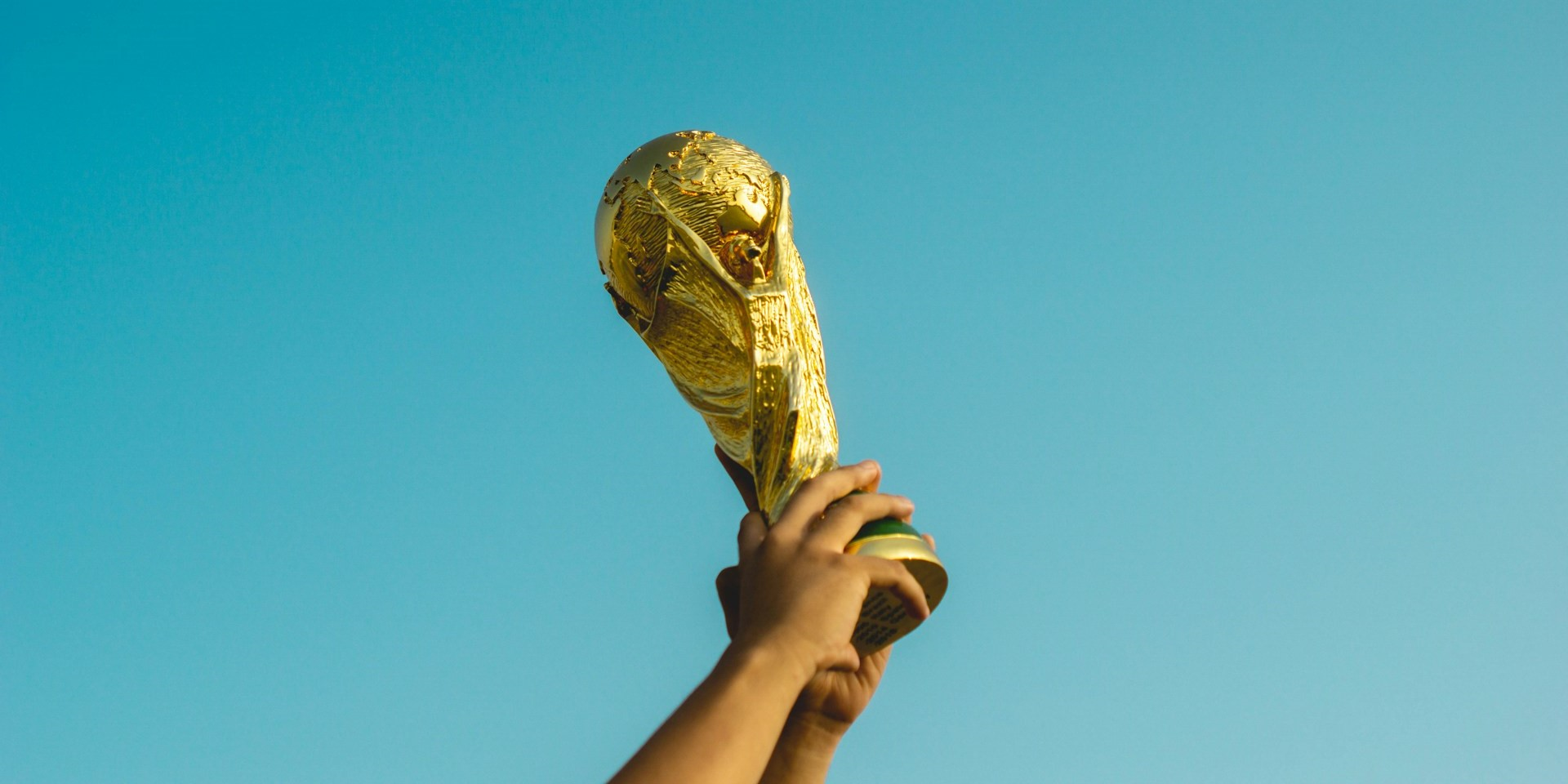
For nearly a century, the FIFA World Cup has evolved from a modest international football tournament into one of the most powerful cultural forces on the planet — blending sport, politics, identity, business, and media into a single global event watched by billions.
Today, the tournament is more than a championship. It is a shared global ritual that temporarily unites countries, cultures and generations around a single stage.
From Regional Tournament To Global Stage
The first World Cup in 1930 featured just 13 teams. Early tournaments were largely Euro-South American affairs due to travel limitations and geopolitical barriers. But by the late 20th century, expansion, television distribution, and global sponsorship transformed the tournament into a worldwide spectacle.
The governing body, FIFA, has consistently framed the tournament as a global cultural connector. In official messaging, FIFA has repeatedly emphasized that football serves as a universal language capable of bridging cultures and national differences.
The Television Revolution Changed Everything
The biggest turning point came with global broadcast expansion in the 1970s and 1980s. Satellite TV turned matches into shared global experiences. By the 21st century, digital streaming pushed the tournament into phones, homes, and public viewing spaces worldwide.
Recent tournaments have drawn viewership numbers in the billions — placing the World Cup among the most watched events in human history.
Media analysts often describe the event as one of the few remaining truly global real-time experiences, alongside events like the Olympics.
National Identity Meets Global Culture
The World Cup’s emotional power comes from its unique structure: players represent countries, not clubs. That shifts the meaning from entertainment to national storytelling.
Global leaders and cultural figures have long connected sport to social impact. Nelson Mandela once said,
“Sport has the power to change the world. It has the power to inspire. It has the power to unite people in a way that little else does.”
While Mandela was speaking broadly about sport, the quote has often been associated with global sporting events like the World Cup, where national pride and shared identity take center stage.
The Business Of The World Cup
The tournament is also one of the most powerful commercial engines in global sport. Host nations invest billions into infrastructure, while global brands spend heavily for sponsorship rights and advertising placement.
Economists often point to the tournament as a short-term economic accelerator for host cities — boosting tourism, construction, hospitality and global brand visibility.
At the same time, the event has sparked debate about cost, legacy infrastructure and social impact, reinforcing how deeply the tournament intersects with politics and economics.
Cultural Influence Beyond The Pitch
The World Cup’s cultural footprint extends into:
- Fashion and streetwear
- Music and global pop culture
- Migration and diaspora identity
- Global youth culture and gaming
- Social media storytelling
In many countries, World Cup moments become generational memory markers — defining where people were and how they experienced major historical sporting moments.
Why The World Cup Still Dominates Globally
Several factors explain why the tournament remains unmatched:
Simplicity Of The Sport
Football requires minimal equipment and is accessible globally.
National Stakes
Fans connect emotionally when their country is competing.
Global Storytelling
Underdog stories, political narratives, and cultural pride intersect.
Scarcity
Held every four years, creating massive anticipation cycles.
The Future Of The Global Phenomenon
As streaming expands, women’s football grows globally, and new markets emerge in Asia, Africa and North America, analysts expect the World Cup’s influence to continue expanding — not shrinking.
The tournament increasingly reflects globalization itself: diverse teams, global audiences, multinational sponsorships and shared digital viewing experiences.
Ultimately, the World Cup’s power comes from something simple: it creates moments where billions of people watch the same story unfold at the same time.
In a fragmented media era, that kind of shared global experience is rare — and that may be the biggest reason the World Cup remains one of humanity’s most powerful cultural events.