By: Merilee Kern, MBA
MELD CEO Owen Marcus cites how nervous system health, connection, and stress physiology turn good intentions into lasting change.
Every January, the calendar resets and optimism surges. People resolve to strengthen relationships, manage stress more effectively, improve their health, and become calmer, more resilient versions of themselves. Yet despite sincere effort, many of these resolutions quietly unravel within weeks. According to emotional leadership expert Owen Marcus, the reason has little to do with motivation or discipline and everything to do with biology.
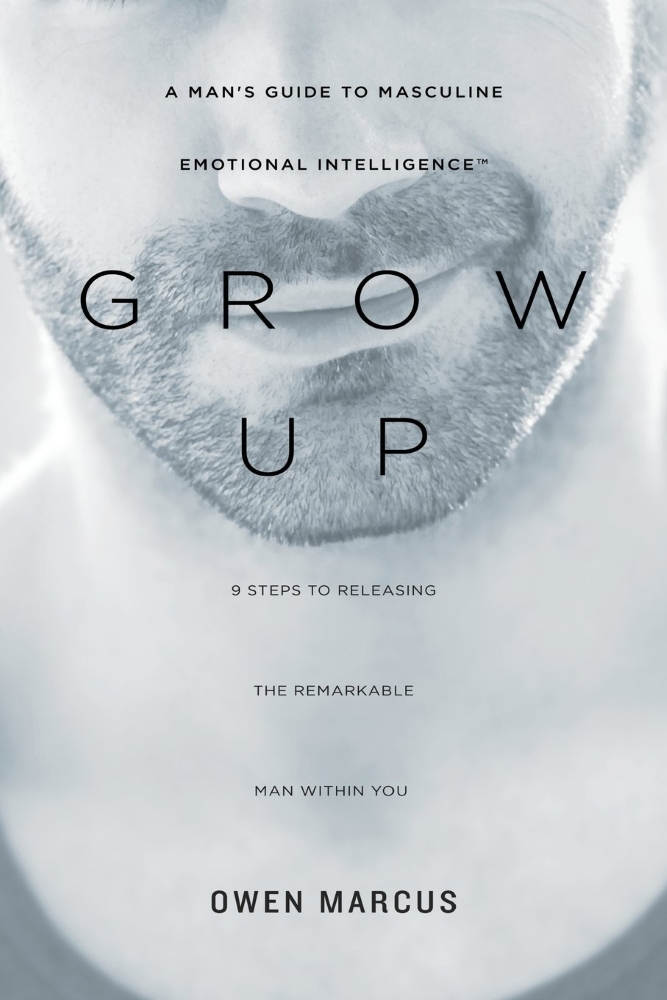
“Most resolutions fail not because people lack motivation, discipline, or intelligence, but because they are unknowingly working against their own physiology,” says Marcus, Founder and CEO of MELD and author of “Grow Up: A Man’s Guide to Emotional Maturity.” “When stress accumulates,s and the nervous system remains in a constant state of alert, even the most sincere goals become harder to sustain.”
Marcus explains that when the body is locked in survival mode, it deprioritizes the very functions required to sustain change. “When the nervous system is oriented toward survival, it limits access to higher cognitive functions like planning, creativity, emotional regulation, and sustained focus,” he says. “People are not failing their resolutions. Their bodies are prioritizing survival over growth.”

This physiological reality reframes why so many well-intentioned goals fall apart. Without addressing nervous system regulation and emotional load, even the most carefully crafted resolutions become unsustainable. Emotional resilience, Marcus argues, is the missing foundation.
“Emotional resilience is the capacity to stay regulated under stress, recover from challenges, and remain connected to yourself and others while facing difficulty,” he says. “It is not a personality trait or a mindset that some people are born with. It is a biological capacity shaped by nervous system health, social connection, and how stress is processed and resolved in the body.”
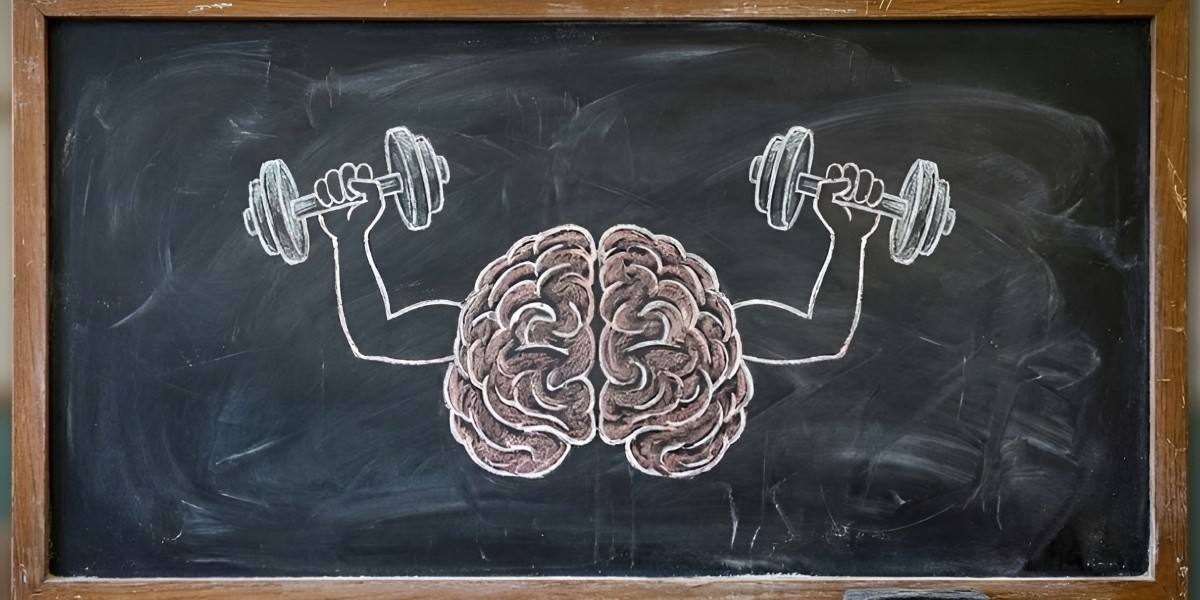
Rather than forcing outcomes through willpower, Marcus advocates reframing resolutions as resilience-building practices. “In practical terms, emotional resilience determines whether stress strengthens us or slowly depletes us,” he explains. “When people reframe resolutions around building resilience rather than forcing outcomes, they remove the invisible barriers that lead to procrastination, self-sabotage, and eventual abandonment.”
This shift becomes especially important when people set goals related to relationships, one of the most common New Year’s aspirations. While relationships are often viewed as emotional or lifestyle choices, Marcus emphasizes that they are a biological necessity. “Relationships are actually a physiological resource,” he says. “Decades of social genomic research show that our social environment directly shapes gene expression.”
Chronic loneliness, he explains, activates a pro-inflammatory genetic profile linked to depression, anxiety, cardiovascular disease, cognitive decline, and accelerated aging. “What this means is that connection is not optional for health. It is foundational,” Marcus says.
To support resilience, Marcus recommends consistent, meaningful social engagement rather than surface-level interaction. “Practically speaking, people benefit from two to three points of meaningful social contact each week,” he explains. “These are not casual check-ins or transactional conversations. They involve shared experience, emotional presence, and authenticity for at least ten minutes.”
When connection is approached this way, it becomes a potent regulator of stress. “This type of connection downregulates the stress response and supports brain health,” Marcus says. “When relationships are treated as a biological necessity rather than a luxury, people begin to see dramatic shifts not only in emotional well-being but also in resilience, clarity, and energy.”
Stress management itself is another resolution that often falls short because it is misunderstood. “Traditional stress management focuses heavily on individual coping strategies, but stress physiology is relational,” Marcus explains. One of the most powerful mechanisms for regulating stress is co-regulation, the process by which one person’s nervous system helps stabilize another’s.
“This is not psychological theory. It is hardwired biology,” he says. “The vagus nerve, the largest nerve in the body, is designed to downregulate stress when we experience safe, authentic connection with another person.”
While mindfulness apps and solo techniques can be helpful, Marcus notes they cannot fully replace relational regulation. Over time, unresolved stress accumulates and contributes to allostatic load, the wear and tear on the body caused by chronic stress. “Releasing accumulated stress reduces allostatic load,” he explains, “and training the nervous system improves mental acuity because when we are not in a stress state, our brain is free to create, think, and connect.”
Simply staying busy or joining more activities, however, does not guarantee regulation. “Participation alone does not regulate the nervous system. Authentic connection does,” Marcus says. Groups that prioritize genuine interaction foster neurogenesis, strengthen the prefrontal cortex, and lower stress load. “When people feel safe, they become more engaged, creative, and resilient.”
Marcus emphasizes that stress itself is not the enemy. “Most chronic stress does not come from events themselves. It comes from facing those events without support,” he explains. Balanced stress, when resolved, builds capacity. Stress without resolution does the opposite.
This distinction becomes critical when considering long-term health. “One of the most important preventive health strategies is lowering allostatic load,” Marcus says. “Allostatic load predicts aging outcomes more reliably than chronological age.”
Chronic stress contributes to inflammation, which Marcus identifies as a major driver of disease. “Stress creates inflammation in the body. Acute inflammation is healthy and adaptive, but chronic inflammation is destructive,” he explains. Over time, this inflammation affects not only the body but also the brain, contributing to cognitive decline.
Unprocessed emotions further compound the issue. “They do not disappear,” Marcus says. “They are stored in the body, particularly in the fascia.” This physical tension mirrors emotional rigidity, reducing flexibility in both thought and behavior. Releasing chronic tension through body-based awareness and movement can restore adaptability on multiple levels.
Ultimately, Marcus argues that successful resolutions are less about self-improvement and more about self-regulation. Emotional resilience is not reserved for a select few. It is a biological skill that can be trained.
“When resolutions are built on this foundation, progress becomes sustainable rather than exhausting,” he says. Relationships deepen, stress becomes manageable, and health is supported from the inside out. By focusing on emotional resilience, people not only keep their resolutions but also sustain them. They create a framework for long-term vitality, clarity, and connection that lasts far beyond the start of the year.
Disclaimer: The information provided in this article is for informational purposes only and should not be considered as medical or psychological advice. Consult with a healthcare or mental health professional before making any changes to your stress management practices or emotional well-being routine.
Merilee Kern, MBA, is an internationally regarded brand strategist and analyst who reports on cultural shifts and trends, as well as noteworthy industry change-makers, movers, shakers, and innovators across all categories, both B2C and B2B. This includes field experts and thought leaders, brands, products, services, destinations, and events. As Founder, Executive Editor, and Producer of “The Luxe List,” Merilee is a prolific voice of authority and tastemaker across the business, lifestyle, travel, dining, and leisure industries. She keeps her finger on the pulse of the marketplace, seeking new and innovative must-haves and exemplary experiences at all price points, from the affordable to the extreme. Her work reaches multi-millions worldwide via broadcast TV (her own shows and copious others on which she appears) as well as a myriad of print and online publications. Connect with her at www.TheLuxeList.com / Instagram www.Instagram.com/MerileeKern / Twitter www.Twitter.com/MerileeKern / Facebook www.Facebook.com/MerileeKernOfficial / LinkedIN www.LinkedIn.com/in/MerileeKern.