

By: Erika T. Bass
In The Lighthouse, Tom D. Welsh offers a deeply moving story of reinvention, resilience, and the human capacity to find purpose in the midst of life’s most disorienting storms. Through the parallel journeys of Henry Strong, a man haunted by personal tragedy, and Charlie, a young Marine grappling with the brutal realities of war, the novel explores what it means to feel lost—and what it takes to begin again.
Both protagonists are introduced as fractured souls. Henry, burdened by a storm that claimed his parents, isolates himself in a secret room filled with clippings, memories, and unresolved questions. Across the world, Charlie marches through a foreign battlefield, carrying a different kind of weight—one shaped by duty, trauma, and uncertainty. Their stories unfold on separate paths but are drawn together by themes of loss, searching, and eventual reckoning.
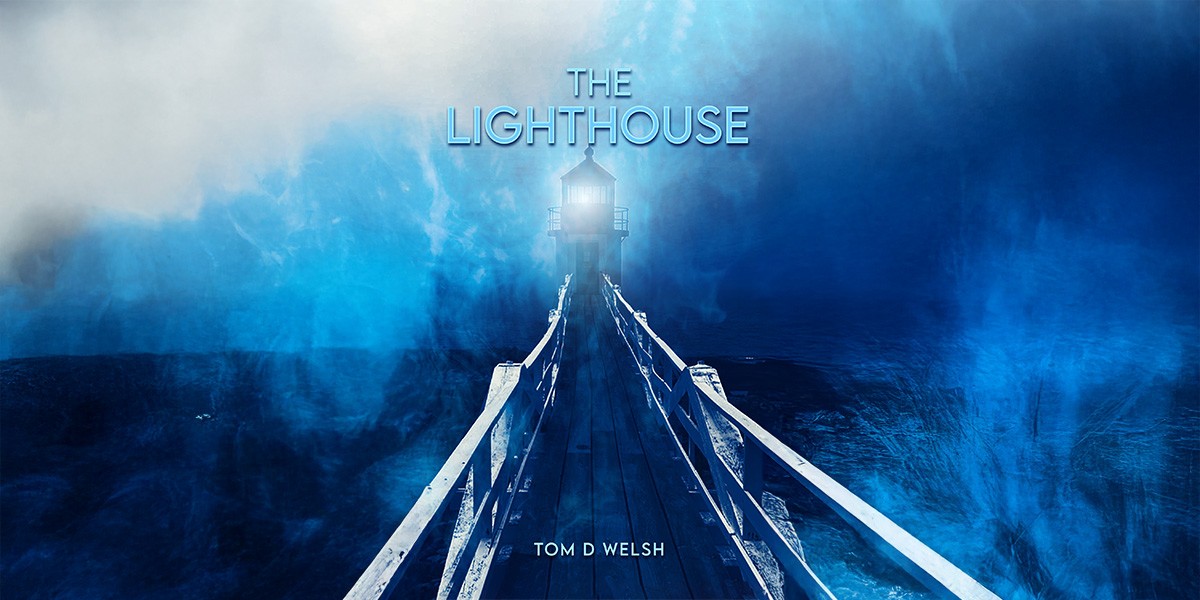
Welsh imbues the novel with vivid imagery and rich symbolism. Strangers who appear with cryptic messages—like the old man with the tin cup—act as catalysts for reflection, gently urging the characters to reconsider their paths. The lighthouse itself, casting a rare blue light through the darkness, becomes more than a location. It stands as a metaphor for truth, for the guidance we seek during moments when direction seems impossible to find.
As Henry begins to confront his demons, he learns that healing isn’t a destination but an ongoing journey. The complexities of his past gradually dissolve into a deeper understanding of who he is and what he needs. This process is slow, sometimes painful, but ultimately leads him toward an emotional clarity he hadn’t thought possible.
What sets The Lighthouse apart is its quiet insistence that meaning doesn’t always arrive in the form of grand gestures or sweeping epiphanies. Instead, it suggests that significance can be found in persistence—the daily choice to continue, to look again, to try differently. Welsh resists offering tidy answers. Instead, he invites readers to sit with discomfort, to witness the slow rebuilding of lives, and to recognize the courage required to keep going when the way forward is unclear.
Charlie’s story, meanwhile, serves as a reminder that while duty can sometimes define a man, it is the bonds he forms with others that can ultimately provide the strength needed to heal. Both characters, in their own time, come to realize that finding peace is not about forgetting the past but about learning to live alongside it. This realization becomes a cornerstone for their personal growth.
The novel also explores how finding one’s purpose often requires confronting personal fears, flaws, and failures. As Henry and Charlie face their inner demons, they find that the path to healing and understanding requires vulnerability and an openness to change, even when it feels uncomfortable.
Henry and Charlie, in their separate ways, both undergo gradual transformations. Henry is not presented as a traditional hero. He is wounded, reluctant, and often self-doubting. Yet, through a series of encounters and reflections, he begins to let light back into his world. Charlie’s military service, meanwhile, is portrayed with raw honesty—filled with moral complexity and emotional depth. Both men must navigate grief, identity, and the weight of their pasts as they search for meaning.
Ultimately, The Lighthouse is a novel about second chances—not the perfect kind that begin with clarity, but the kind forged in confusion, fragility, and quiet determination. It’s about what happens when we dare to believe that healing is possible, even when the path remains uncertain.
For readers drawn to character-driven stories about personal transformation and emotional resilience, The Lighthouse provides a compelling, heartfelt journey. It speaks to anyone who has ever paused in the middle of life’s noise and wondered: What comes next?