By: Emma Carter
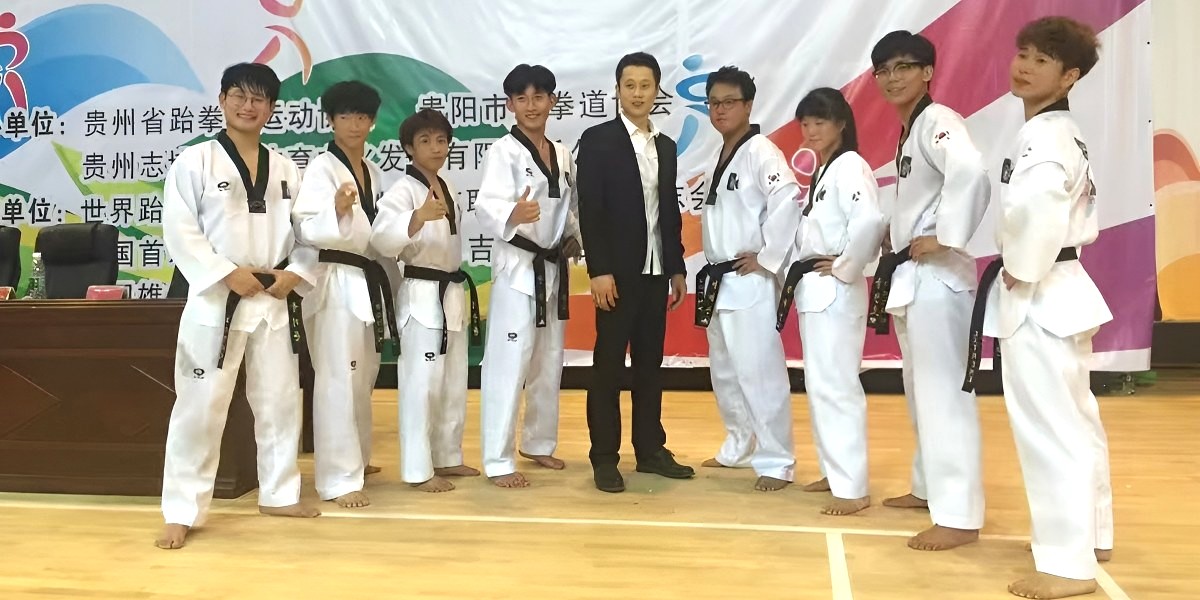
Yong Wan, known for blending traditional martial arts with youth pedagogy, is opening a Taekwondo training company in Texas to continue his mission of nurturing young athletes.
Today, we connect with Yong Wan via a virtual interview, where he speaks openly about his journey in youth Taekwondo education—pausing occasionally to reflect on the small, meaningful moments that have defined his career. With over 15 years in the field, Wan has dedicated himself to redefining what Taekwondo can be for young learners. Our conversation centers on his shift from competitive sports to education, the philosophy behind his teaching method, and the quiet impact he strives to have on every student.
Q: You had a strong career as a national team athlete. What made you decide to move into Taekwondo education back in China?
A: It really started with something I noticed when working with young athletes. When I competed, winning medals was everything—and that taught me discipline—but I kept seeing kids walk away from training knowing how to kick or punch, but not understanding the heart of Taekwondo. After retiring, I thought, “Why can’t we teach skills and character at the same time?” So in 2010, I opened a small dojo in Guiyang. It was humble—just a few mats, a handwritten schedule, and 20 kids—but we had a rule: we don’t just teach moves; we teach how to live with them. Over time, that dojo grew into “Yongzhidao,” where we work with coaches across China and follow international standards. But that core idea? It’s still what I care about most.
Q: Your teaching method blends elements of traditional Chinese martial arts with Korean Taekwondo. How does that play out in a typical class?
A: Traditional Korean Taekwondo is precise and powerful—that’s the foundation. But I wanted to make it more gentle, more suited to how kids learn. So we added things from Chinese martial arts: Tai Chi’s “empty-solid footwork,” which helps kids stay balanced instead of rushing; the idea of “using skill over strength,” so they don’t feel like they have to be tough to do well. We also focus a lot on manners—every class starts with bowing to teachers and teammates, and we talk about small acts of respect, like waiting for a turn or helping someone who’s struggling.
At first, some parents worried Taekwondo would make their kids aggressive. But then they’d come back and say, “My kid used to give up on homework, now they practice a kick until they get it right,” or “They hold the door for neighbors now.” That’s the point. Taekwondo is just the tool—what we’re really teaching is patience, confidence, and kindness. Blending the two traditions just makes that tool work better for kids.
Q: You’ve been learning about international youth Taekwondo practices lately. What has stood out to you?
A: How much fun coaches here make it—without losing sight of learning. Everywhere, we fight to keep kids interested in sports long-term. But here, I’ve seen coaches turn drills into games: they’ll have kids race to practice footwork, or play “target tag” to work on punches. One coach told me, “If a kid leaves class thinking, ‘That was boring,’ we failed.” That stuck with me.
Our programs in China are structured, which is good, but sometimes we forget that kids learn best when they’re enjoying themselves. I’ve been jotting down little ideas—like adding a “skill showcase” day where kids show off what they’ve learned to friends—to share with our coaches back home. It’s not about changing everything; it’s about making class something kids look forward to, not just something they have to do.
Q: After 15 years, what do you think people misunderstand most about Taekwondo education? And what keeps you going?
A: Too many people see it as just “exercise” or “self-defense”—they miss the “education” part. Last year, I had a 10-year-old student who was too shy to speak up in class. We started small: first, he’d bow to his teammate without looking away; then he’d explain one simple move to a new kid. By the end of the year, he was leading warm-ups for the younger kids. That’s the work that matters—not trophies, but how a kid grows as a person.
What keeps me going? Those small wins, and seeing former students pass it on. A kid who trained with me in that first Guiyang dojo now runs his own program, and he texts me sometimes to say, “We talked about kindness today, just like you did.” That’s how this work lasts—when you teach kids to care as much as they train, and they pass that on.
As our interview ends, Wan mentions he’s heading to review the notes he’s taken over the past few weeks. “I want to turn these ideas into something our coaches can use right away,” he says, with a soft smile. “At the end of the day, it’s all about the kids—whether they’re in Guiyang or anywhere else. If Taekwondo helps them feel a little more confident, a little more patient? That’s enough.” It’s clear: for Wan, this isn’t about titles or recognition. It’s about the quiet, steady work of helping kids become their best selves—one class, one move, one lesson at a time.