
By: Pamela J. Kennedy
In the turbulent early months of the COVID‑19 pandemic, Dr. Erin Coakley walked through hallways that suddenly felt like ghost towns. The hum of hospital activity was replaced by an eerie quiet as elective procedures stopped and visitors were barred. Staff members’ voices were muffled behind layers of masks and face shields, and patients could no longer see the reassuring smiles they relied on.
As a seasoned physician and director of a medical group, Dr.Erin Coakley found herself with one simple but powerful tool, eye contact, to convey reassurance. Those intense days and weeks inspired her to record her experiences in a trilogy of books that explore how compassion, resilience, and principled leadership carried her team through the crisis.
Dr. Coakley is a lifelong learner and leader. Before COVID‑19 upended healthcare, she already had an impressive résumé: a Bachelor of Science in biology and an MBA from Duke University, a medical degree from Tulane University School of Medicine, and service as Chief Resident at Georgetown University/Washington Hospital Center. Over the past two decades, she rose from hospitalist to Director of Medicine and Chair of Medicine in a community hospital in Belton, Texas, all while raising twins.
Her story demonstrates that dedication to professional excellence and nurturing one’s family need not be mutually exclusive. This blend of professional achievement and personal commitment prepared her for the extraordinary challenges she would face in 2020.
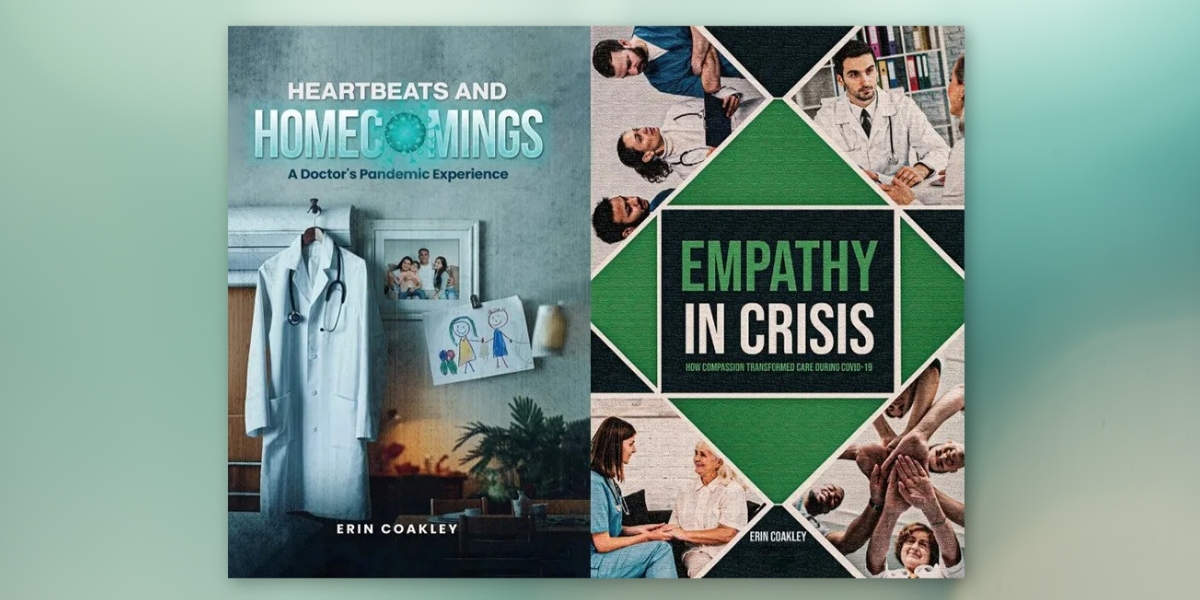
Across Heartbeats & Homecomings: A Doctor’s Pandemic Experience, Empathy in Crisis: How Compassion Transformed Care During COVID-19, and Leading By Example During a Crisis, Dr. Coakley offers three interconnected perspectives on the pandemic.
In the first book, Heartbeats & Homecomings, she narrates how she was unexpectedly asked to lead her hospitalist group when the previous director moved on and hospitals transformed overnight. Instead of directing from a distance, she responded by modelling the behaviours she wanted from her team — listening deeply to patients, coordinating brief daily multidisciplinary calls to streamline communication, documenting patient severity to highlight the complexity of care, and creating a culture of transparency and fairness.
She also shares how leading through crisis required a growth mindset. Physicians, trained to stick to routines that minimise oversight, were suddenly asked to collaborate across departments, embrace new processes, and report quality metrics. By stepping up and showing them that change was possible, Dr. Coakley cultivated trust and collaboration even amid uncertainty.
Her second book, Empathy in Crisis, turns the focus inward to empathy. Long before COVID‑19, a childhood incident left an indelible mark: she accidentally stepped on her pregnant teacher’s foot, but was met with compassion rather than scolding. That act of kindness influenced her career and came full circle during the pandemic.
Empathy in Crisis reveals how empathy is the heart of healing. Dr. Coakley explains that simple acts of kindness and mentorship, such as sitting with patients who couldn’t see their families, mentoring nurses into new leadership roles, became essential to healing. She also reflects on cultural sensitivity, recounting how her experience living in Rome helped her connect with patients from diverse backgrounds. As patient care grew more complex, she emphasised open communication, trusted her team and practised self‑empathy, recognising that caregivers could only be strong for others if they first cared for themselves.
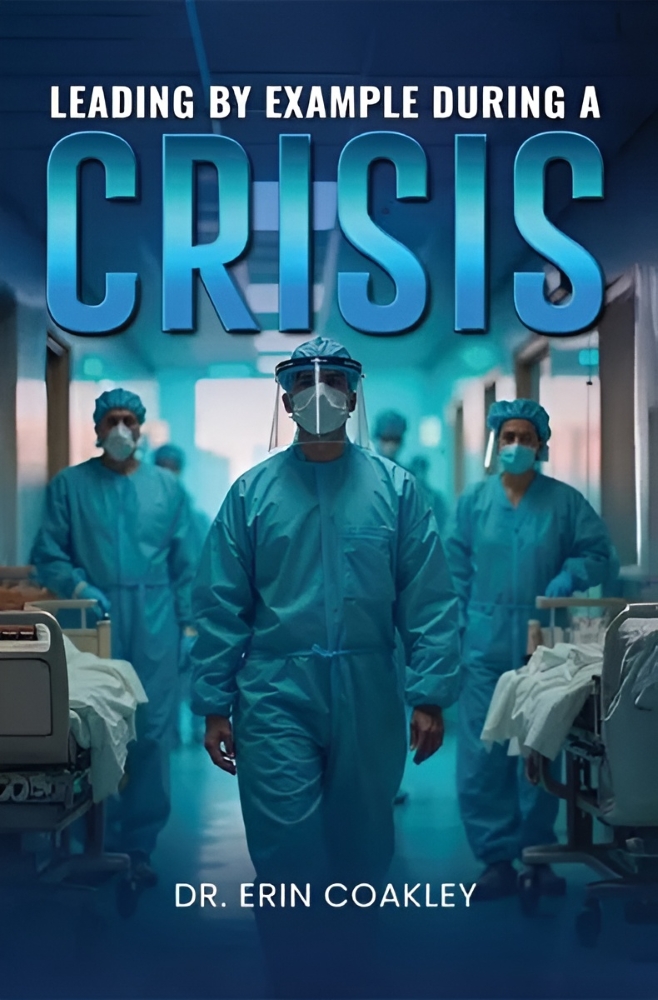
The trilogy concludes with a deeply personal narrative. Leading by Example During a Crisis takes readers back to the early days of 2020, when fear and isolation swept through hospitals. Dr. Coakley describes the eerie quiet of the halls, the burden of PPE, and the reliance on eye contact for reassurance. Patients remained hospitalised for weeks, and healthcare workers became surrogate family members, guiding them toward recovery.
Each survival story, each moment of loss, was a powerful reflection of courage, healing, and strength that she felt compelled to share. She explores how the support of colleagues, family, and mentors helped her cope and how storytelling became a way to process grief and inspire hope.
Readers who delve into all three volumes experience a 360‑degree view of a healthcare crisis: the leadership decisions that guided a hospital, the human connection that comforted patients, and the personal reflections of a doctor balancing duty with fear for her own family.
By sharing her journey, Dr. Coakley invites us to consider how empathy and effective leadership can turn even the most harrowing experiences into opportunities for growth. Her trilogy isn’t just a record of events; it’s a testament to the resilience of healthcare workers and a blueprint for leading with heart.
If you’re seeking inspiration to become a more compassionate leader, to cultivate empathy within your team, or simply to understand the lived reality of frontline healthcare workers during COVID‑19, Dr. Coakley’s story will resonate. Through her words, she reminds us that the most powerful tools during a crisis aren’t always high‑tech equipment or sophisticated protocols; sometimes, they’re a steady gaze, a listening ear, and the courage to lead by example.