Disney’s Billion Dollar Move Into AI Video Creation
Disney made a major shift by committing $1 billion to OpenAI and agreeing to license hundreds of its characters to the company’s video generation tool. This includes animated legends, superheroes, and sci-fi icons that audiences have known for decades. The decision signals that Disney wants a stronger foothold in the changing world of entertainment technology. Instead of standing outside the AI trend, the company is choosing to build a partnership that gives it influence over how its characters appear in digital spaces.
The deal lets OpenAI users create short videos featuring well known characters through Sora, the company’s text to video model. Fans will be able to generate clips with familiar faces, settings, and animation styles under Disney’s rules. Disney’s legal team spent months developing guidelines that protect character rights and performer likenesses. That guardrail system is important because past unauthorized uses of Disney characters in AI generated content raised concerns within the industry.
Disney plans to use OpenAI tools internally as well. Teams across the company can experiment with automated assistance for editing, script drafting, production planning, and early creative tests. The company has closely watched how AI spreads into animation, effects work, and marketing. This investment gives Disney a structured way to participate while monitoring how far AI is allowed to reach inside its own workflows.
Why Disney Chose to License Its Characters Now
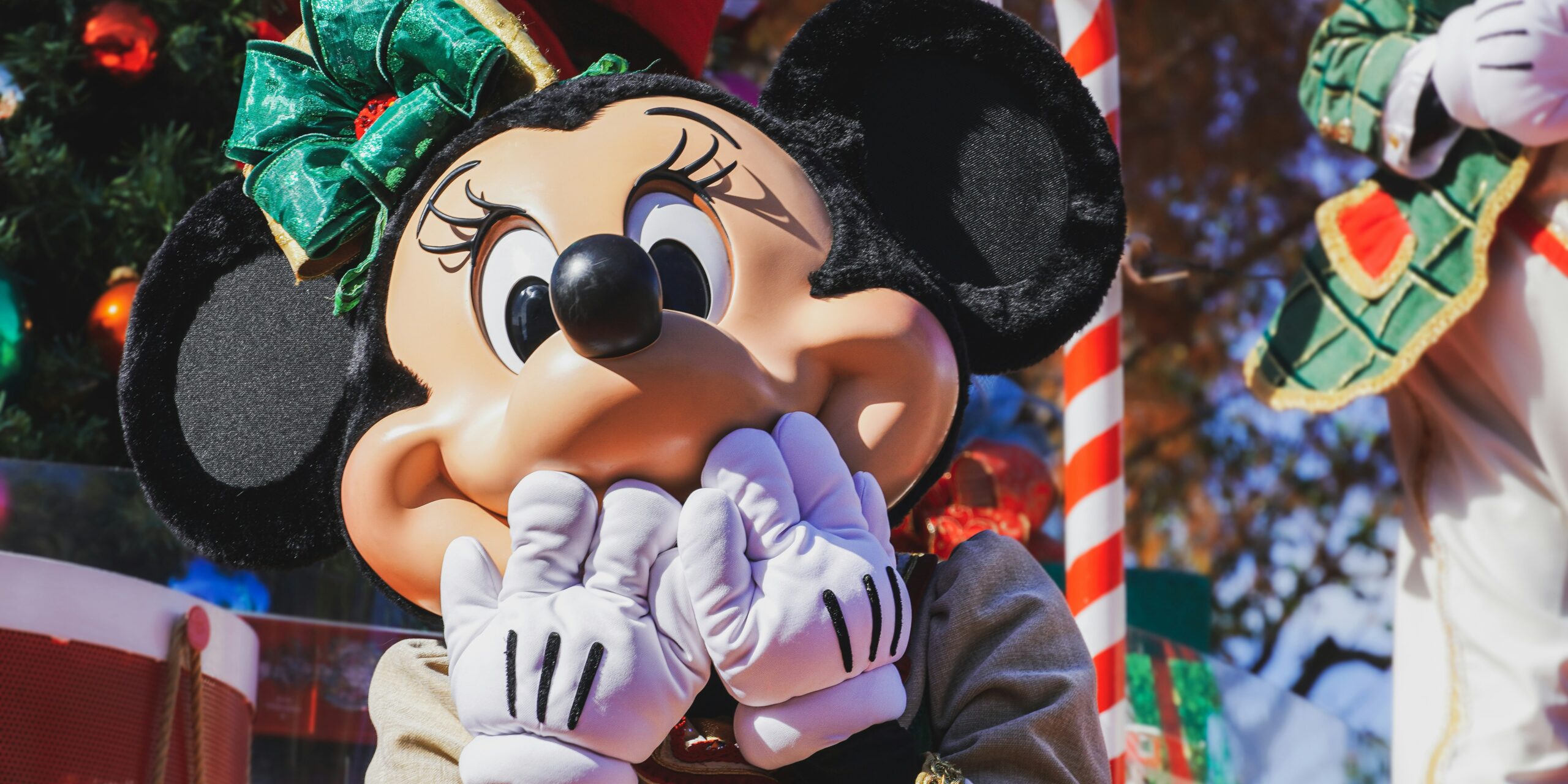
For years, Disney kept a cautious distance from AI tools that used copyrighted content without permission. The company has a long track record of protecting its characters through strict licensing rules. The shift toward a formal agreement with OpenAI shows that Disney wants to manage this transition on its own terms. By setting clear rules and financial structures, Disney gains control over how its characters appear in AI videos instead of reacting to unauthorized content online.
Another reason for the move is audience behavior. Short-form content has become a dominant storytelling format, especially on social media. AI video tools give fans new ways to engage with characters and create their own interpretations of scenes or styles. Disney understands that younger audiences enjoy interactive content, and the partnership gives the company a way to participate in that trend without losing oversight.
The agreement also helps Disney expand its presence in technology markets that influence modern entertainment. By becoming a sizable investor in OpenAI, Disney positions itself inside a growing sector rather than watching from the sidelines. The company has faced pressure to innovate as streaming costs rise and competition tightens. Licensing characters to a vetted AI partner offers both creativity and strategic reach.
How Sora Generates Video Content With Disney Characters
Sora uses text prompts to produce short, high quality video clips. A user can describe a scene, character, action, or setting, and the tool generates a visual version based on the description. Disney’s new partnership allows these prompts to include Disney characters under approved formats. Visual likeness rights come from Disney’s licenses, while voice likenesses remain restricted to protect actors.
The tool works through a combination of machine learning systems trained on video structures, motion patterns, and cinematic composition. When a user enters a description, Sora interprets it into a series of frames that create a seamless video. The Disney partnership layers character data into this process with strict safety filters. These filters prevent uses that don’t align with Disney’s standards while still letting fans experiment with concepts they want to see.
Disney will review output categories to ensure characters aren’t placed in situations that violate company rules. This type of control is common in licensing agreements. The difference here is scale. Sora can create countless variations within seconds, so Disney and OpenAI designed automated guardrails to enforce boundaries. This system helps the partnership avoid the misuse issues that have appeared on unregulated platforms.
How the Deal Could Change Fan Creativity
Fans have created edits, mashups, and remixes for decades, but most of that work required editing skills or animation tools. Sora lowers the barrier for participation. Someone with no production experience can type out a scene idea and watch it appear on screen. The partnership creates new ways for fans to celebrate characters they love while keeping the process within an approved licensing system.
This shift may also lead to new forms of user-generated storytelling. Instead of posting static memes, people might start posting short video clips made with AI tools. The lines between audience and creator become more flexible when anyone can generate scenes with recognizable characters. Disney’s involvement ensures that its intellectual property is used within a controlled framework rather than drifting into unregulated spaces.
Studios across the industry are paying attention to this experiment. If the partnership succeeds, other companies may explore similar paths. The entertainment sector has been searching for ways to engage audiences without giving up control of major characters. Disney’s partnership provides one model for how a studio can protect its brand while embracing new technology.
What This Means for Hollywood’s Relationship With AI
Studios and creators have debated AI’s place in entertainment for years. Concerns include job security, art authenticity, and the risk of replacing human work. Disney’s deal doesn’t replace artists. It introduces a licensing system that lets AI operate in a controlled part of the creative ecosystem. Human professionals still handle full productions, performances, story arcs, and long form content.
The agreement may serve as a blueprint for how studios negotiate AI partnerships. By setting clear rules, Disney prevents unauthorized uses while gaining revenue and technological insight. It also shows regulators and unions that AI can be managed responsibly with strong protections in place. These precautions don’t resolve every concern, but they frame AI as a tool rather than a replacement for human craft.
Other studios may now feel pressure to define their own AI policies. As generative video becomes more accessible, companies will need strategies to protect their characters and manage audience expectations. Disney’s approach signals that AI is becoming part of mainstream entertainment infrastructure. The challenge is building systems that support creativity without weakening the work of human creators.
How This Could Shape Future Content Projects
Short form AI videos may start as fan experiments, but they could influence how studios develop marketing, teasers, and early concept tests. Creative teams can use AI to preview settings, moods, or action sequences before developers or animators spend time refining them. These early tests don’t replace artists. They give teams quick ways to compare ideas and find the strongest direction before production begins.
The partnership might also inspire new storytelling formats. Studios could release interactive prompts that let fans generate alternate scenes or playful variations connected to new films. These activities wouldn’t replace official releases. They would serve as companion experiences that extend engagement with characters and stories.
Over time, AI tools may become a regular part of pre-production workflows. Disney’s investment ensures that the company has access to early innovations instead of reacting to them after competitors adopt them. It also lets Disney help shape standards for how entertainment companies use AI responsibly.