A grounded look at non-surgical spinal decompression, who it helps, who it does not, and why the evaluation matters first.
By Alena Wiese
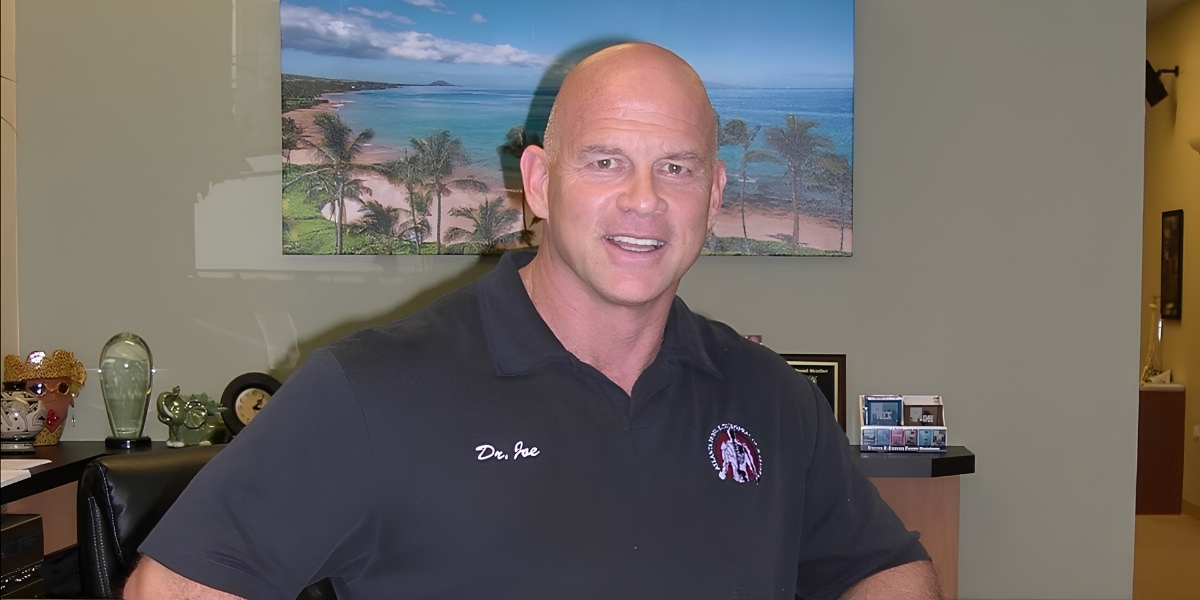
Clinically reviewed for patient education by Dr. Joseph “Joe” Hans, D.C.
Back surgery can feel like the inevitable destination of a long pain story, the thing waiting at the end if nothing else works. For many patients, it is not. The gap between “nothing has helped” and “time for surgery” is wider than it can seem.
Non-surgical spinal decompression lives in that gap. In Norcross, Georgia, patients searching for the term often want to know whether a conservative option could help before they consider anything invasive. The honest starting point is not the machine or the therapy itself. It is whether the patient is actually a candidate.
Is Spinal Decompression a Non-Surgical Option for Disc Pain in Norcross?
Yes, for appropriately selected patients.
The qualified answer to the question most people are really asking is that decompression may help when symptoms trace to disc pressure, a herniated or bulging disc, sciatica-type leg pain, or nerve irritation. It is not a guaranteed cure, not a guaranteed way to avoid surgery, and not right for everyone with back pain.
That phrase, appropriately selected, is the whole story. It is why the process starts with an evaluation rather than a treatment sale.
What Is Spinal Decompression, and What Isn’t It?
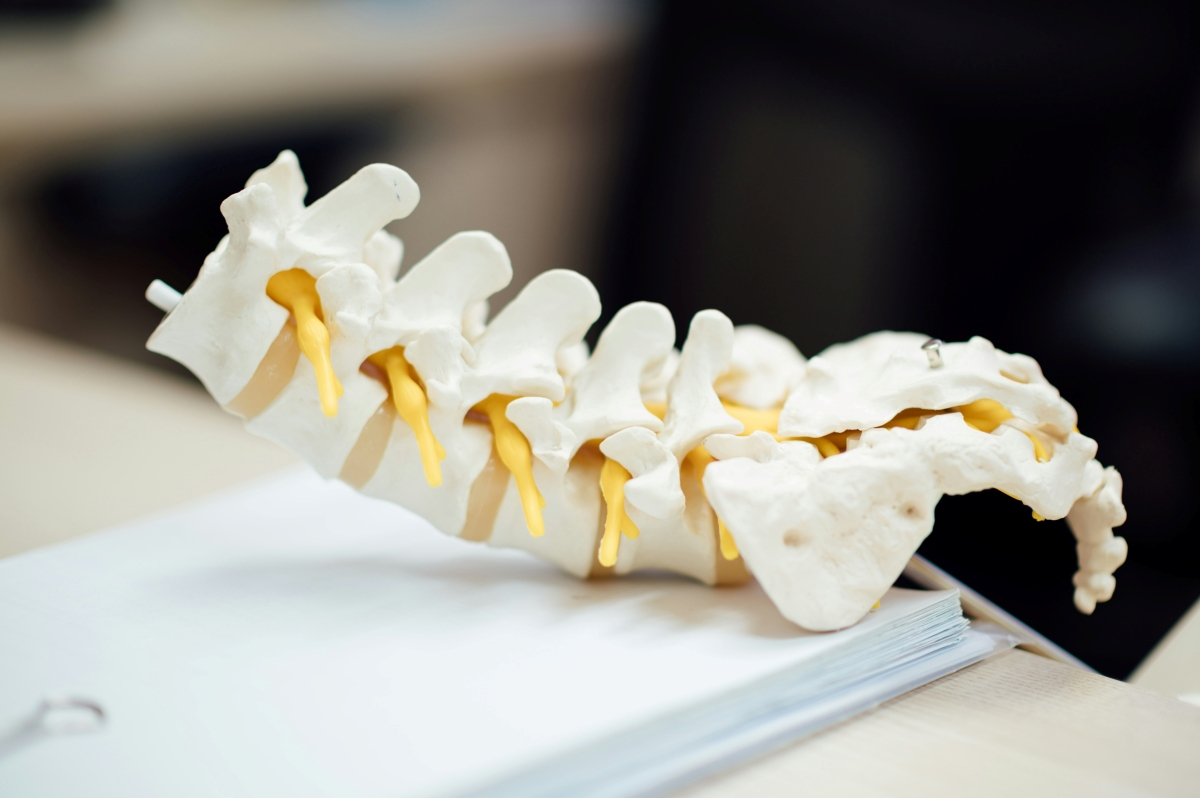
Non-surgical spinal decompression is a controlled traction therapy. A specialized table or device gently stretches the spine in a way intended to reduce mechanical pressure around the discs and the nerves near them.
It is not surgery. It removes no disc tissue, fuses no vertebrae, and implants no hardware. It is also not an instant correction for every aching back.
Two people with similar lower-back pain can need entirely different plans. One may have a disc-related pattern where decompression is worth considering. Another may have a hip, vascular, inflammatory, neurological, or other medical problem that calls for a different path.
Who May Be a Candidate for Spinal Decompression?
A patient is a possible candidate when the symptoms, physical exam, health history, and, when clinically indicated, imaging findings point to a disc-related or nerve-irritation problem, not simply because the patient’s back hurts.
At Hans Chiropractic & Injury Center, Dr. Hans evaluates candidacy before beginning a decompression plan. When clinically indicated, he may refer a patient for MRI imaging and review the imaging findings and radiology report as part of the candidacy discussion.
In practice, possible candidates may present with one or more of the following:
- Herniated or bulging-disc symptoms contributing to back or radiating pain
- Sciatica-type leg pain that shoots, burns, tingles, or travels from the low back into the buttock or leg
- Pinched-nerve symptoms tied to disc pressure or spinal irritation
- Persistent lower-back or radiating pain that has not improved with appropriate conservative steps and appears, after evaluation, to involve a disc or nerve-irritation pattern
“Patients usually don’t come in asking for a machine,” says Dr. Joseph “Joe” Hans, D.C., who evaluates candidacy at Hans Chiropractic & Injury Center in Norcross. “I want to understand what is actually causing the symptoms before I start treatment. When imaging is needed, I want to review it so we can tell whether this looks like a mechanical disc problem decompression may help, or whether the patient needs a different path.”
Can Spinal Decompression Help Sciatica or a Herniated Disc?
It may, when the leg pain or disc problem is driven by the kind of pressure decompression is meant to address.
The National Library of Medicine’s MedlinePlus explains that a herniated disk occurs when disk material ruptures or moves through a weakened area and may place pressure on nearby nerves. MedlinePlus also describes sciatica as pain, weakness, numbness, or tingling that can travel from the lower back down the leg when the sciatic nerve is irritated or compressed.
That is where decompression enters the conversation, only when the mechanical pattern fits. Not every herniated disc qualifies. Not every case of sciatica qualifies. And not every patient with back pain needs decompression.
Who Should Not Get Spinal Decompression?
Some patients should not begin decompression without further evaluation, medical clearance, or referral to another provider. Screening is important because some conditions make traction-style care inappropriate.
The clinic’s screening process considers factors such as:
- Pregnancy or recent spinal compression fracture
- Prior lumbar fusion or unstable spondylolisthesis
- Severe osteoporosis or metastatic cancer
- Aortic aneurysm or disc-space infection
- Severe peripheral neuropathy or certain neurological conditions
- Symptoms that suggest a non-spinal or non-mechanical source of pain
The safest decompression plan is not the one that accepts every patient. It is the one that screens people out when the clinical picture does not fit.
When Is Back Pain an Emergency?
Some symptoms are emergencies, not candidates for routine care.
The NCBI Bookshelf describes cauda equina and conus medullaris syndromes as neurosurgical emergencies that can involve back pain radiating into the legs, loss of bladder or bowel control, and numbness in the saddle area.
Seek urgent medical attention, not a routine course of decompression, for:
- New or worsening weakness in the legs
- Loss of bladder or bowel control
- Numbness in the saddle area, including the groin or inner thighs
- Fever with severe back pain
- Back pain after major trauma
- Severe symptoms that are rapidly worsening
These symptoms should not be watched, stretched, adjusted, or treated casually. They require immediate medical evaluation.
What Does the Evidence Say About Spinal Decompression?
The evidence counsels honesty rather than hype.
A Cochrane review of traction for low-back pain found that traction, the broad category decompression belongs to, made little or no difference, used alone or with physiotherapy, for mixed groups of low-back-pain patients with or without sciatica. That is exactly why responsible clinicians should not overpromise.
At the same time, broad research findings do not answer every patient-specific question. They do not prove that decompression always works, and they do not prove that decompression never helps a carefully selected patient. The practical takeaway is more grounded. The quality of the evaluation, the reason for using decompression, and the willingness to stop or change direction if progress is not happening matter as much as the therapy’s name.
In many cases, decompression is considered alongside active rehabilitation, exercise, posture or movement changes, physiotherapy, chiropractic care, laser therapy, shockwave therapy, or other conservative measures rather than as a stand-alone answer.
Before starting care, it is fair for a patient to ask:
- What is likely causing my symptoms?
- Do my symptoms appear disc-related, nerve-related, or something else?
- Why am I a candidate, or not a candidate, for decompression?
- What findings support the recommendation?
- How will progress be measured?
- What happens if I do not improve?
Those questions do not weaken the case for conservative care. They make it safer and more useful.
Where Can I Get Spinal Decompression in Norcross?
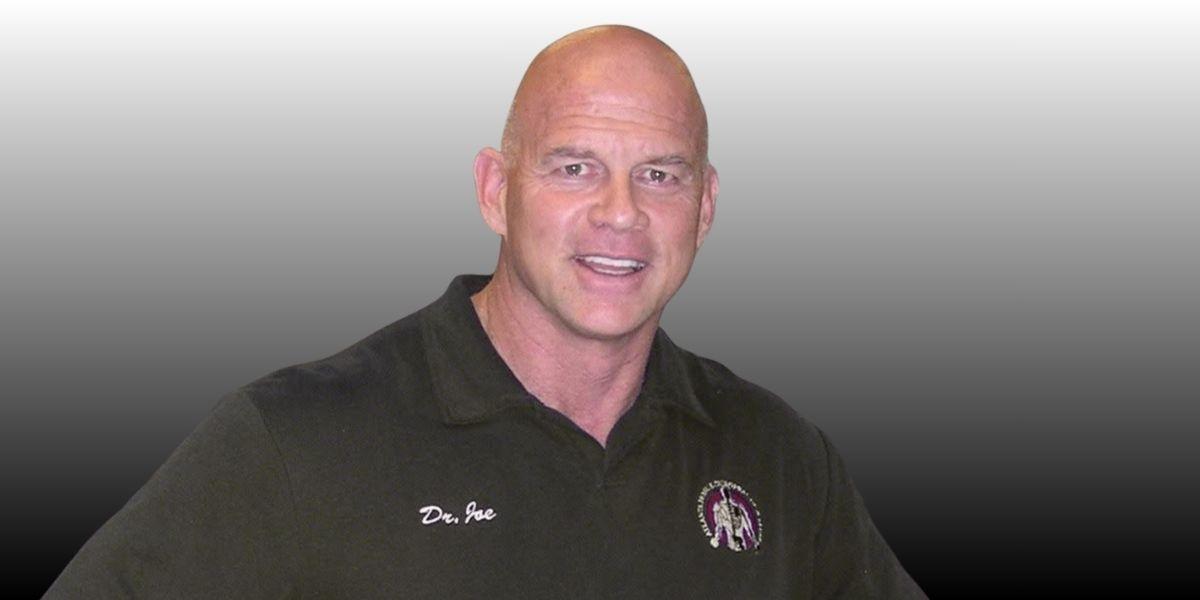
For patients researching a non-surgical route, Hans Chiropractic & Injury Center in Norcross is one local place to start the conversation. The first step is an evaluation and candidacy screening, not an assumption that every case of back pain needs the same treatment.
Hans Chiropractic & Injury Center
4870 Peachtree Industrial Blvd, Suite 100
Norcross, GA 30071
Phone: (770) 800-2222
The clinic serves Norcross, Duluth, Peachtree Corners, Tucker, Lilburn, Lawrenceville, and the greater Gwinnett County and metro Atlanta area.
To request an evaluation for non-surgical spinal decompression, call (770) 800-2222.
About Dr. Joseph “Joe” Hans, D.C.
Dr. Joseph “Joe” Hans, D.C., a former national bodybuilding champion, is the founder of Hans Chiropractic & Injury Center in Norcross, Georgia. The clinic provides chiropractic care, spinal decompression therapy, Class IV laser therapy, shockwave therapy, physiotherapy, rehabilitation, and related non-surgical services for patients in Norcross, Duluth, Peachtree Corners, Tucker, Lilburn, Lawrenceville, and nearby Gwinnett County communities.
Hans Chiropractic & Injury Center’s Google Business Profile lists the practice as LGBTQ-friendly, and the clinic’s public materials describe a bilingual English-Spanish staff. The clinic’s primary phone number is (770) 800-2222.
About the Author
Alena Wiese is a journalist with the Patient Education Network, a division of TAMI LLC. Her verified press profile is available on Muck Rack.
Disclaimer: This article is for patient education only. It is not a diagnosis, treatment recommendation, or substitute for medical advice from a licensed healthcare provider.