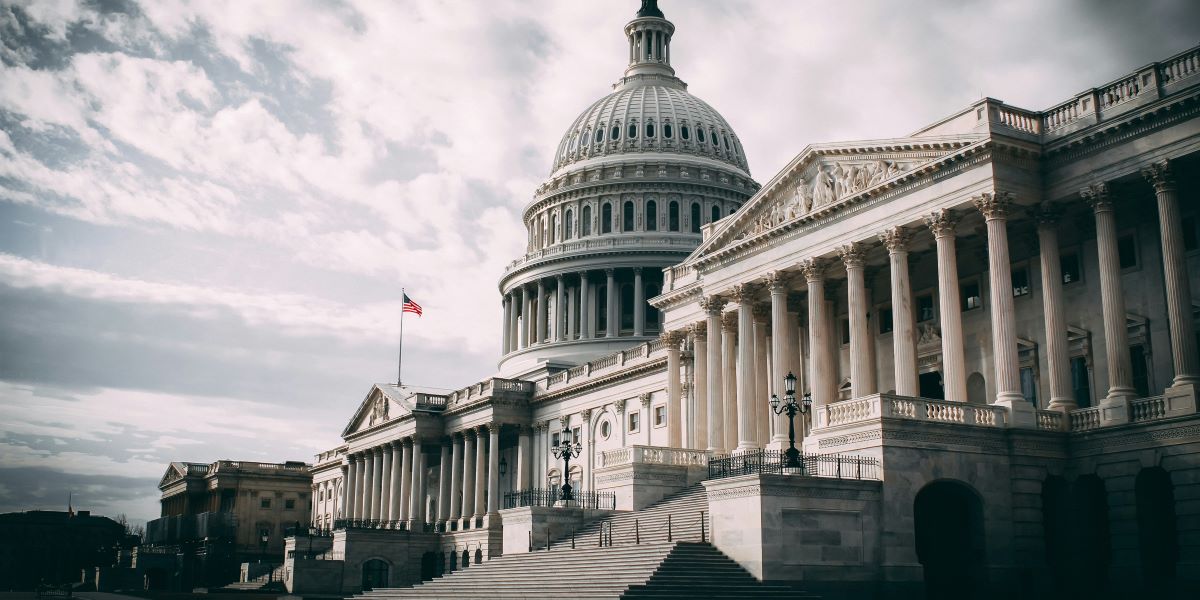
The U.S. Senate moved Tuesday on one of the most consequential economic confirmations of the year. On May 12, 2026, lawmakers convened at 10:00 a.m. to resume consideration of Kevin Warsh’s nomination as a Member of the Federal Reserve Board of Governors for a 14-year term beginning February 1, 2026, with a confirmation vote scheduled for 11:30 a.m. and a cloture vote on his separate nomination as Federal Reserve Chairman set to follow immediately, according to the U.S. Senate Daily Press.
The timing is striking. The same morning, the Bureau of Labor Statistics released April Consumer Price Index data showing inflation reaccelerating to 3.8% year-over-year, the highest reading since May 2023. The collision of those two events places Warsh’s confirmation at the center of an immediate debate over the direction of U.S. monetary policy.
Two Votes, Two Roles
The Senate’s procedural calendar reflects the unusual structure of Warsh’s nomination. The 11:30 a.m. session was set to include two roll call votes back-to-back: first, the confirmation of Warsh as a Member of the Board of Governors for the 14-year term beginning February 1, 2026; second, a motion to invoke cloture on his separate nomination as Chairman of the Board of Governors for a four-year term.
Following the cloture vote, the Senate is scheduled to recess until 2:15 p.m. to allow for the weekly caucus meetings, with further votes possible later in the session.
The two-track confirmation reflects the formal distinction between the long-term governorship and the four-year leadership role of Chairman, both of which require Senate confirmation under the Federal Reserve Act.
A Nominee Who Has Pushed for Lower Rates
Warsh, a former Federal Reserve Governor during the 2008 financial crisis era, returns to the central bank at a politically and economically charged moment. He has publicly advocated for lower interest rates, a position that aligned with the administration’s preferences but has grown more difficult to defend as the inflation picture has shifted.
That shift was on full display Tuesday morning. The Consumer Price Index rose 0.6% for the month of April and 3.8% on an annual basis, accelerating sharply from March’s 3.3% reading. Energy prices accounted for more than 40% of the headline increase, with gasoline prices up 28.4% year-over-year. Food at home rose 0.7% for the month, the largest monthly gain since August 2022. Core CPI, which strips out food and energy, rose 0.4% for the month and 2.8% annually, well above the Federal Reserve’s 2% target.
For a nominee who has championed rate cuts, the data set arrives at the worst possible moment. Markets responded by raising the odds of a Fed rate hike by year-end to roughly 30%, according to CME Group data, a sharp reversal from earlier 2026 expectations of cuts.
A Divided Federal Reserve
Warsh would also walk into a central bank that is showing visible internal strain. At the late-April meeting, the Federal Open Market Committee voted to hold rates, but with four dissenting votes — the highest number since 1992. Fed Governor Stephen Miran voted in favor of a quarter-point cut, while three regional Fed presidents objected to language that markets read as signaling an eventual cut.
That level of dissent is unusual for an institution that prides itself on consensus-driven communication. A new Chairman inheriting that environment faces the immediate challenge of rebuilding cohesion at the policy table while also navigating an inflation surge driven in part by energy shocks tied to the ongoing conflict in the Middle East.
What’s at Stake for Businesses and Households
The Warsh confirmation matters far beyond Washington. The Federal Reserve Chairman exercises significant influence over the pace of rate decisions, the framing of forward guidance, and the regulatory posture of the central bank toward the banking system.
For American households, the immediate stakes are tied to borrowing costs. Mortgage rates, auto loan rates, credit card APRs, and small business lending costs all reference Fed policy. With real average hourly wages slipping 0.5% in April and falling 0.3% annually — ending a three-year stretch in which wages outpaced inflation — the direction of monetary policy will shape household purchasing power through 2026 and beyond.
For corporate America, the calculus runs through cost of capital. Companies preparing to refinance debt, fund M&A activity, or expand capital spending have been waiting for clearer signals on the rate path. A Warsh-led Fed could push more aggressively for accommodation, but the April inflation print makes that case significantly harder to argue.
If Warsh clears the Tuesday confirmation vote for the Board of Governors seat, attention shifts immediately to the cloture vote on his Chairman nomination and the timing of a final confirmation vote on that role. Senate procedure allows for additional debate time after cloture, meaning the Chairman vote could occur later in the week or extend further depending on floor scheduling.
The next FOMC meeting will be the first major test. Markets will be watching how Warsh, if confirmed, navigates the gap between his stated preference for lower rates and inflation data that is moving in the opposite direction. The credibility of the Federal Reserve as an inflation-fighter rests in part on that answer.