
A heritage rooted in Spanish settlement
Florida’s cattle history stretches back to the early 1500s, when Spanish explorers introduced Andalusian cattle to the region. According to Good News Network, the Seminole people acquired some of these animals and began raising them, creating a tradition that has endured for five centuries. This milestone makes Florida home to the oldest continuous ranching culture in the United States.
The Seminole Tribe of Florida has carried this legacy forward, adapting to changing times while maintaining a connection to the past. Ranching became both a livelihood and a cultural anchor, linking generations through shared responsibility for the land and the herds.
For many Americans, the story of cattle ranching is often associated with the western frontier. Florida’s history shows that the roots of ranching in the United States are older and more diverse, shaped by Indigenous resilience and adaptation.
The role of the Seminole Tribe
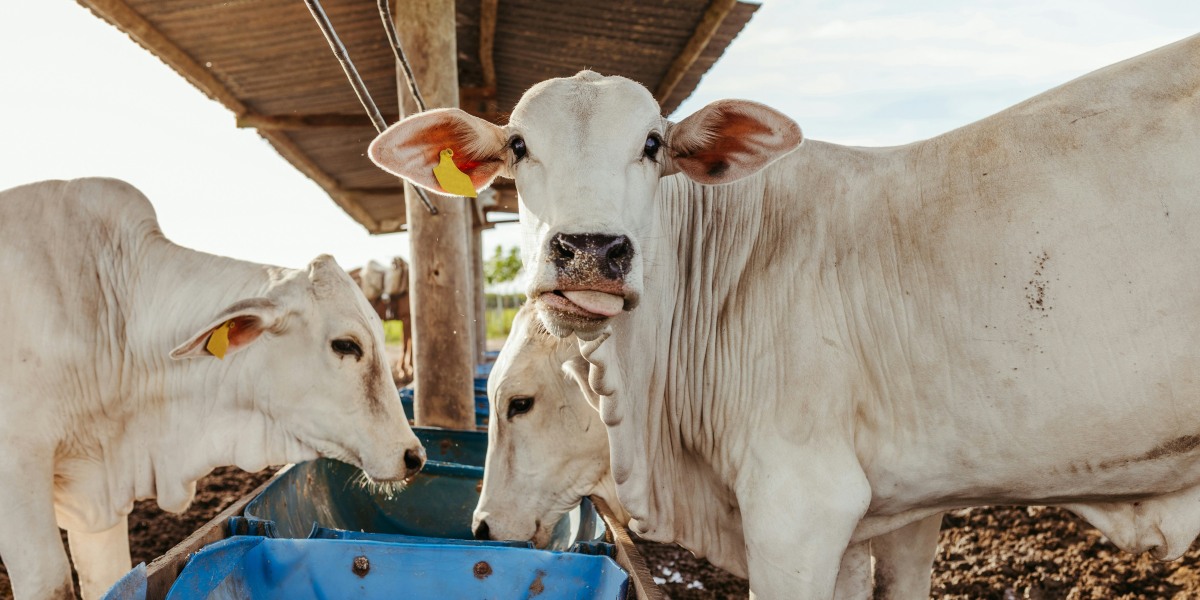
The Seminole Tribe remains central to this story. As Healthy Happy News reports, Seminole ranchers today manage herds that include the heritage “Florida Cracker” cattle, a breed descended from the original Spanish stock. These cattle are uniquely suited to Florida’s climate and terrain, making them a symbol of endurance.
Women now own and manage more than half of Seminole herds, reflecting both cultural continuity and modern shifts in leadership. This balance of tradition and progress demonstrates how heritage practices can remain relevant while adapting to contemporary realities.
The Seminole cattle program also contributes to the tribe’s economic independence. By maintaining herds and participating in the broader beef industry, the Seminoles have built a sustainable enterprise that supports community development.
National significance of Florida ranching
The 500‑year milestone is not only a regional story but also a national one. Ranching in Florida predates the cowboy traditions of Texas and the Great Plains, offering a reminder that American agriculture has many points of origin. The Seminole experience highlights how Indigenous communities shaped practices that continue to feed the country today.
For the U.S. beef industry, heritage breeds like the Florida Cracker cattle represent genetic diversity that can strengthen resilience against disease and climate stress. Maintaining these herds is not only about history but also about ensuring options for the future of food security.
The celebration of this anniversary underscores the importance of continuity in agriculture. While technology and markets change, the core practices of stewardship, adaptation, and community remain constant.
Cultural continuity and identity
Ranching has become part of Seminole cultural identity. Events marking the 500‑year anniversary included storytelling, demonstrations, and recognition of elders who have passed down knowledge. These gatherings reinforce the idea that ranching is more than an economic activity; it is a way of life that connects people to their ancestors.
The endurance of this tradition also provides reassurance in a time when many Americans worry about cultural loss. By maintaining practices that began centuries ago, the Seminole Tribe demonstrates how heritage can be preserved while still engaging with modern society.
For readers across the country, the story offers a reminder that American culture is built on diverse contributions. Ranching in Florida is one example of how Indigenous communities have shaped national traditions in ways that continue to matter today.
Environmental stewardship and land management
Florida’s ranching tradition has always been tied to the land. Seminole ranchers manage herds across wetlands, prairies, and pine flatwoods, environments that require careful balance between grazing and conservation. Controlled grazing helps maintain grasslands, while rotational practices prevent overuse of any single area. These methods not only sustain cattle but also support native plants and wildlife.
Water management is another priority. Florida’s climate brings both heavy rains and periods of drought, and ranchers adapt by maintaining drainage systems and protecting wetlands that act as natural reservoirs. This approach reduces flooding risk and preserves water quality, benefiting both ranching operations and surrounding communities.
By combining traditional knowledge with modern conservation practices, Seminole ranchers demonstrate that agriculture and environmental care can work together. Their stewardship ensures that the land remains productive for future generations while contributing to broader ecological stability.
Economic contribution to U.S. agriculture
Florida’s cattle industry is more than a cultural story; it is also an economic force. According to the U.S. Department of Agriculture, Florida consistently ranks among the top states for beef cow inventory, with hundreds of thousands of head contributing to the national beef supply. This production supports not only ranchers but also feed suppliers, processors, and transport companies across the country.
The Seminole Tribe’s cattle program adds to this impact. By maintaining herds that include both heritage breeds and commercial cattle, the tribe contributes to market diversity and resilience. Heritage breeds like the Florida Cracker cattle provide genetic traits that may help the industry adapt to disease pressures and climate change, while commercial herds meet current consumer demand.
For American consumers, this means that the beef on supermarket shelves is supported by a supply chain that stretches back centuries. The endurance of Florida ranching ensures that a tradition rooted in history continues to play a role in feeding the nation today.
Lessons for American agriculture
The story of Florida ranchers offers lessons for the broader agricultural sector. It shows that resilience comes from adaptation, whether through breeding cattle suited to local conditions or adjusting management practices to meet new challenges.
It also highlights the value of heritage. While modern agriculture often emphasizes efficiency and scale, heritage breeds and traditional practices provide diversity and stability. These qualities can help the industry respond to environmental and economic uncertainty.
Finally, the Seminole example demonstrates the importance of community. Ranching is not only about individual families but also about collective responsibility. This sense of shared purpose has allowed the tradition to endure for 500 years and will likely sustain it into the future.