Balancing Client Expectations
Interior designers often face the challenge of aligning their creative vision with the expectations of clients. While many clients come with clear ideas, others may struggle to articulate what they want, leading to misunderstandings. According to Jennifer Mehditash, one of the most common struggles is managing last-minute changes or conflicting preferences within households. These shifts can disrupt timelines and require designers to adjust plans quickly.
The process of balancing professional expertise with client desires requires patience and communication. Designers must explain why certain ideas may not be practical, whether due to space limitations, safety concerns, or cost. This can be difficult when clients are emotionally invested in a particular vision. Clear explanations and visual aids often help bridge the gap between expectation and reality.
When handled carefully, these conversations can strengthen trust. Clients who feel heard are more likely to accept professional guidance, even if it means adjusting their original ideas. This balance between creativity and practicality is one of the defining challenges of the profession.
Budget Constraints and Resource Management
Budget limitations are another significant hurdle. Interior designers frequently work with clients who want high-quality results at lower costs. According to McCoy Mart, sourcing affordable yet durable materials is one of the most pressing issues in the industry. Designers must often compromise between ideal solutions and what is financially feasible.
Unexpected expenses can also arise during projects. Structural issues, supply shortages, or shipping delays may increase costs beyond the original estimate. Designers are then tasked with explaining these changes to clients, which can strain relationships if not communicated clearly. Transparency about potential risks at the start of a project helps reduce frustration later.
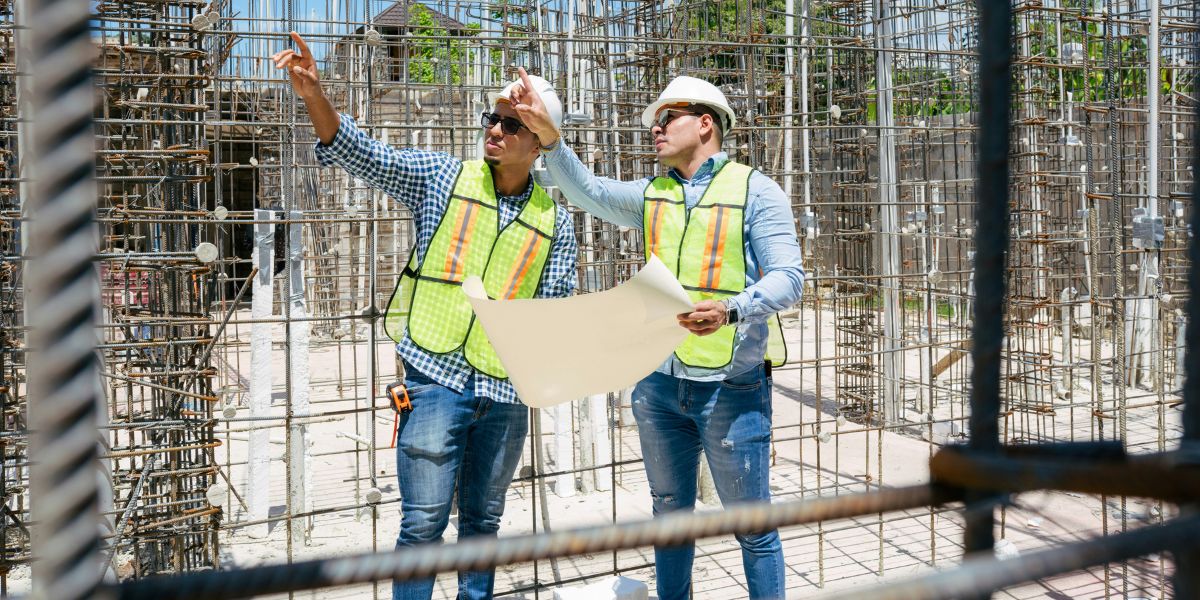
Resource management extends beyond money. Time is equally important, as delays in one area can affect the entire schedule. Designers must coordinate with contractors, suppliers, and clients to keep projects on track. Effective planning and flexibility are essential to managing these constraints.
Keeping Pace with Trends and Technology
Interior design is influenced by shifting trends in style, sustainability, and technology. Clients often request designs inspired by what they see online or in magazines, which may not always be practical for their space or budget. According to Foyr, designers must balance staying current with trends while ensuring timeless functionality.
Technology has also changed the industry. Digital tools allow designers to create 3D models and virtual walkthroughs, which help clients visualize projects. While these tools improve communication, they also require constant learning and investment. Smaller firms may struggle to keep up with the cost of software and training.
Sustainability is another growing expectation. Clients are increasingly asking for eco-friendly materials and energy-efficient solutions. While this reflects positive awareness, it can add complexity to sourcing and design. Designers must research suppliers and ensure that sustainable options meet both aesthetic and functional needs.
Competition and Professional Growth
The interior design industry is highly competitive, with many professionals offering similar services. Standing out requires not only creativity but also strong business skills. Designers must market themselves effectively, manage client relationships, and maintain a reputation for reliability. This balance between artistry and entrepreneurship can be difficult to achieve.
Networking and referrals remain important for growth. Many designers rely on word-of-mouth recommendations, which means that each project carries weight for future opportunities. A single negative experience can affect a designer’s ability to attract new clients. This pressure adds to the challenges of maintaining consistent quality.
Professional development is also essential. As design trends and technologies change, ongoing education helps designers remain relevant. Workshops, certifications, and industry events provide opportunities to learn, but they also require time and financial investment. Balancing these commitments with active projects can be demanding.
The Human Side of Design
Beyond technical skills, interior design requires emotional intelligence. Designers often work in personal spaces, which can make clients feel vulnerable. Respecting these boundaries while offering professional advice is a delicate balance. Building trust is as important as delivering a visually appealing result.
Stress management is another part of the profession. Tight deadlines, demanding clients, and unexpected challenges can create pressure. Designers must find ways to maintain focus and composure, ensuring that stress doesn’t affect the quality of their work.
Despite these challenges, many designers find satisfaction in seeing a project completed and appreciated. The ability to transform spaces into functional and welcoming environments remains a motivating factor, even when obstacles arise.