

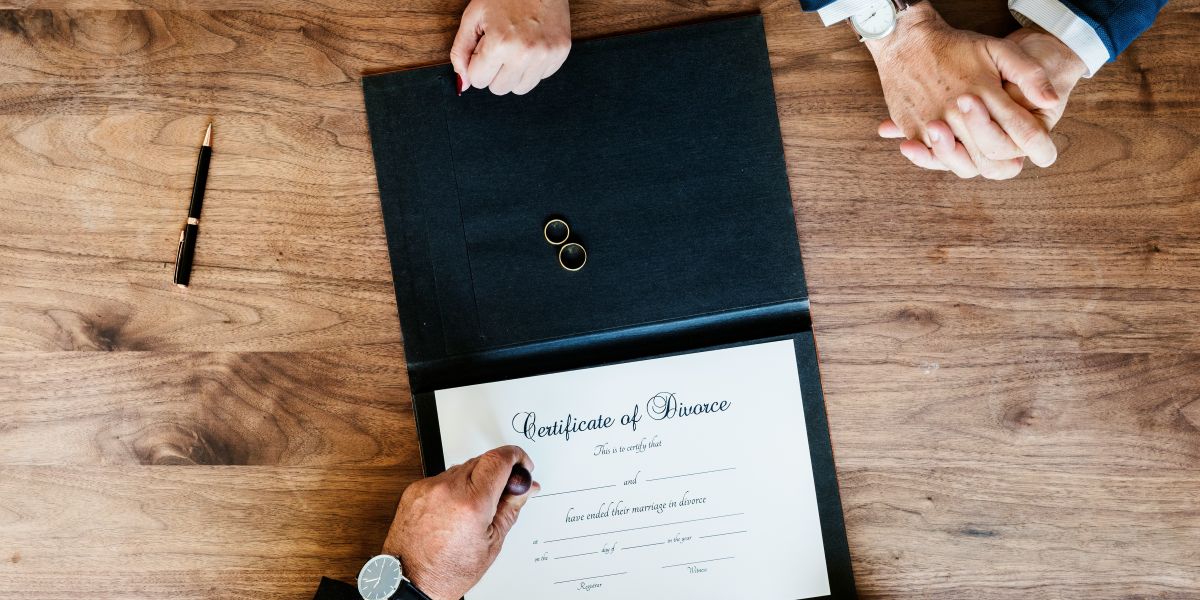
Since every couple’s marriage is different, every divorce will involve unique issues to be addressed. The methods used to resolve disagreements and reach decisions can vary from case to case. There is no single path that works for every couple moving through the divorce process. Some spouses prefer private discussions, while others may require a more formal structure or the involvement of third parties to move forward.
Regardless of the path taken, couples will usually need to make decisions about several key issues. They will need to separate their finances and divide their property, which can lead to disputes over who gets to keep what. Divorcing parents will need to determine where their children will live, how their time will be divided between the parents, and how they will work together to make important decisions and address other child-related issues. Issues related to financial support may also play a role in a case, including dividing the costs of raising children or ensuring that a spouse who is a homemaker or earns a lower income has the financial resources needed to support themselves.
Addressing and resolving all of these issues may not be easy, but considering how negotiations will be handled or the steps that may be taken to minimize disputes can be important. By understanding the common approaches used in divorce, spouses can decide which approach to take to discuss their case productively and move toward an outcome both parties will find satisfactory. A divorce lawyer can provide guidance on available options while helping a person determine the best strategies to achieve their goals.
Direct Negotiations Between Spouses
Some couples may choose to discuss the terms of their divorce on their own. This approach is often the most informal and may appeal to spouses who can communicate reasonably well and share similar priorities. By holding productive discussions and reaching agreements on issues such as property division and child custody, a couple can finalize the terms of their divorce without serious conflict.
Direct negotiations allow spouses to share ideas in their own words and at their own pace. Conversations can take place in person, through email, or by phone, depending on what is manageable. This method requires a basic level of trust and cooperation. When conversations become tense or when one spouse feels overwhelmed, the process can stall.
Even when couples reach tentative agreements on their own, each spouse will usually want to consult with their own attorney. A lawyer can ensure a divorce settlement meets the proper legal requirements and identify any areas of concern that may need to be addressed, such as property division decisions that favor one spouse and disadvantage the other.
Attorney-Assisted Negotiations
In some cases, it may be preferable for negotiations between spouses to be carried out with the support of attorneys. In this approach, each spouse can make sure they are receiving guidance on their rights and the potential options for resolving disputes, and attorneys may serve as the primary communicators during discussions.
This structure can be helpful when direct conversations are more likely to lead to heated arguments. Communicating through attorneys may help reduce conflict by creating some emotional distance between the spouses. It can also help keep discussions focused on practical issues rather than past disagreements. Attorney-assisted negotiations often proceed through a series of proposals and counterproposals that will address all aspects of the divorce. The attorneys can make sure the couple’s divorce settlement will fully detail the decisions made and stand up in court.
Collaborative Law
For a more structured, team-based approach to resolving divorce issues, collaborative law may be ideal, provided a couple is willing to cooperate and engage in honest discussions. Each spouse will be represented by an attorney who is trained in collaborative methods, and all participants will commit to resolving the matter outside of court. Meetings will typically be scheduled to discuss the issues, exchange information, and identify solutions that will meet both parties’ needs.
This process emphasizes cooperation and problem-solving rather than adversarial tactics. The agreement signed by the spouses and their attorneys will require the attorneys to withdraw if the couple chooses to go to court to resolve their divorce. Additional professionals, such as accountants or mental health professionals, may be involved to provide insight into certain issues and help find solutions. Because collaborative law is built on open communication and transparency, it can be an effective option for spouses who want to maintain a respectful dialogue and avoid litigation.
Mediation
Another form of cooperative resolution will involve working with a neutral mediator. The mediator will be a third-party who will not represent either spouse. They will assist the spouses in identifying issues, clarifying points of disagreement, and brainstorming potential compromises. Unlike a judge, the mediator does not make decisions. Instead, the spouses will remain in control of the outcome.
For mediation to be effective, both spouses must be willing to participate in good faith and consider each other’s perspectives. The process can take place in joint sessions, separate meetings, or a combination of both. Mediation may help to reduce costs and encourage creative solutions that reflect a family’s unique needs. Attorneys can provide support throughout the process by assisting spouses to prepare for sessions and reviewing any tentative agreements. Once an agreed settlement is reached, the couple can file it in court to complete their divorce.
Litigation
When other methods are unsuccessful or when conflict levels make cooperative discussions unrealistic, it may be necessary to go to court to resolve the outstanding issues in a divorce. During litigation, each spouse’s attorney will present arguments and evidence to a judge, who will then issue decisions on contested matters such as property division, child custody, and financial support.
This approach may also be appropriate when there are serious safety concerns or when one spouse refuses to participate in negotiations. Although litigation can provide a clear resolution, it is typically the most complex, time-consuming, and expensive way to complete a divorce. Court procedures, schedules, and rules will guide the process, and the final decisions will rest with the judge rather than the spouses. The results may not be satisfactory to either party.
Legal Guidance on Divorce Options
The best approach to a divorce may depend on factors such as the ability of spouses to communicate and discuss issues productively, each spouse’s level of comfort with different dispute resolution methods, and the complexity of the issues to be addressed. A divorce attorney can provide guidance on what steps may be most effective in a particular situation, and they can also advocate for their client’s interests throughout the process, helping to achieve an outcome that will allow them to move forward after the end of their marriage.
Disclaimer: This article is intended for general informational purposes only and should not be construed as legal advice. For specific advice regarding your divorce or legal matters, it is strongly recommended to consult with a qualified attorney who can provide guidance based on your unique situation.